








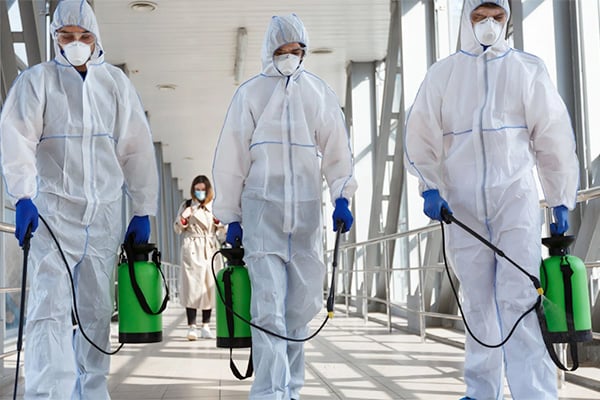
When coronavirus began spreading around the world in spring 2020, many countries responded by stepping up surface disinfection and handwashing.
Early in the pandemic, reports suggested that the virus could survive on some surfaces for days, making them a potential source of infection. Health agencies around the world encouraged surface disinfection to prevent transmission. Evidence subsequently showed that the risk of infection from surfaces was low.
Surfaces play a minor role in coronavirus transmission
Over the first year of the pandemic, researchers found that coronavirus spreads mainly through the air, in larger droplets and smaller aerosols.1) The US Centers for Disease Control and Prevention (CDC) then confirmed what researchers had been saying for some time: the risk of infection from surfaces is low.
Speaking to The New York Times,1) Virginia Tech airborne virus expert Linsey Marr welcomed the finding. She said researchers had known this for some time, yet people still focused heavily on cleaning surfaces. She noted that there was no evidence of anyone catching COVID-19 by touching a contaminated surface.
Research indicated that the chance of infection from contact with a contaminated surface was less than 1 in 10,000. According to the CDC, other routes posed a greater risk, including droplets, airborne transmission and direct contact such as shaking hands.2)
An article in The Lancet3) also pointed to consistent, strong evidence for airborne transmission of SARS-CoV-2. The authors argued that airborne transmission was the predominant route, while acknowledging that other routes could contribute, and urged public health authorities to act promptly.
Updated guidance: surfaces do not usually need disinfecting
The CDC updated its guidance4) on cleaning surfaces in public spaces to prevent coronavirus transmission. In most situations, surface disinfection was unnecessary and regular handwashing was the most reliable way to reduce the risk from surfaces. The guidance mainly recommended disinfection when a suspected or confirmed case had been in the space within the previous 24 hours.
Experts said that organisations around the world had spent considerable time and money cleaning surfaces, even though other routes posed a much greater risk. They argued that COVID-19 prevention efforts should focus on the air people breathe.5)
Electronic air purification eliminates viruses, bacteria and other microbes from indoor air
Masks, handwashing, physical distancing and good ventilation were considered effective ways to reduce coronavirus transmission. Air purifiers can also help limit airborne transmission.
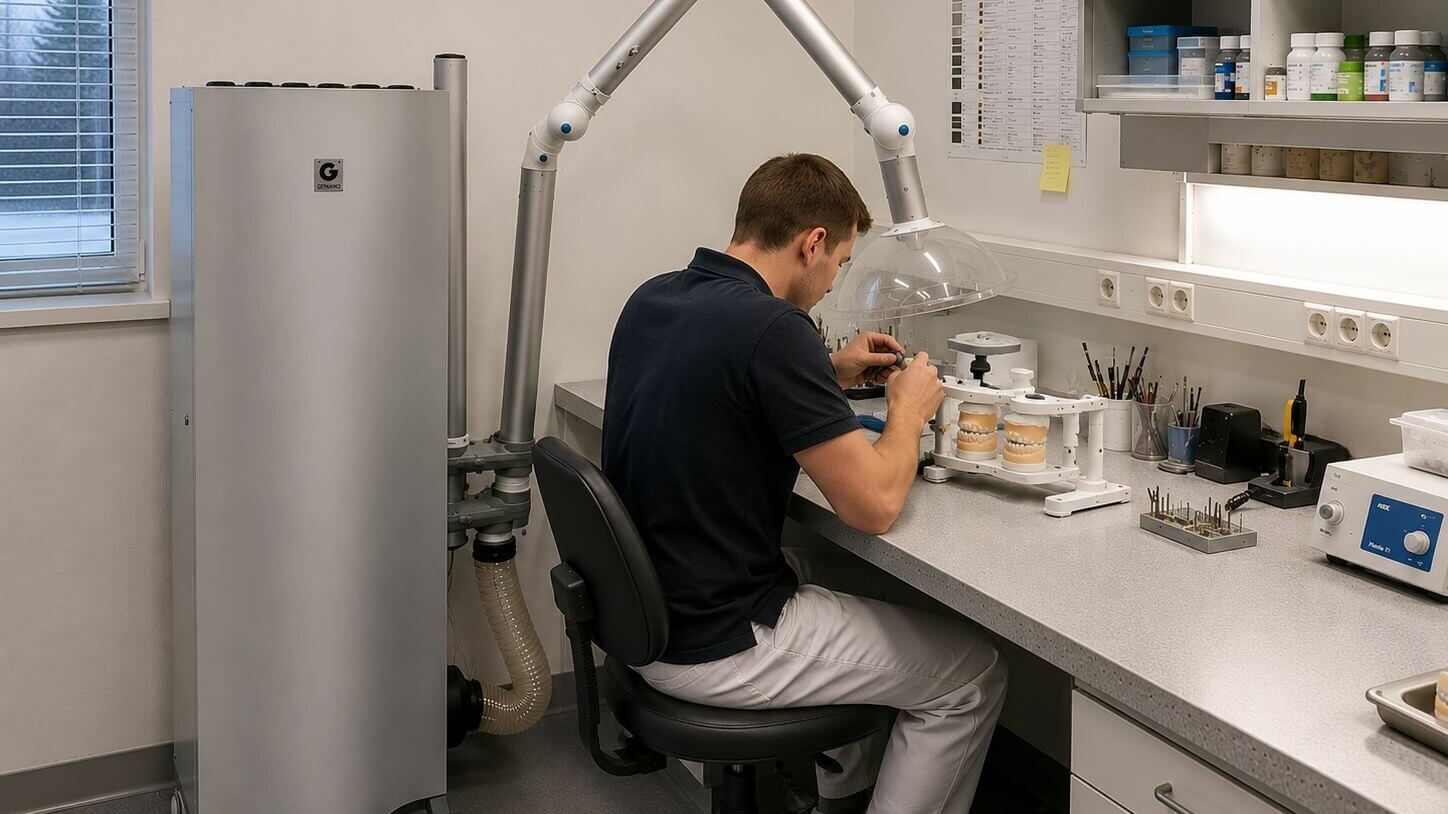
Testing showed that Genano air purifiers achieved 99.999% purification efficiency for particles the size of coronavirus and smaller viruses. The technology can also remove bacteria and other fine particles that can carry viruses through a room, substantially reducing the amount of virus in the air.
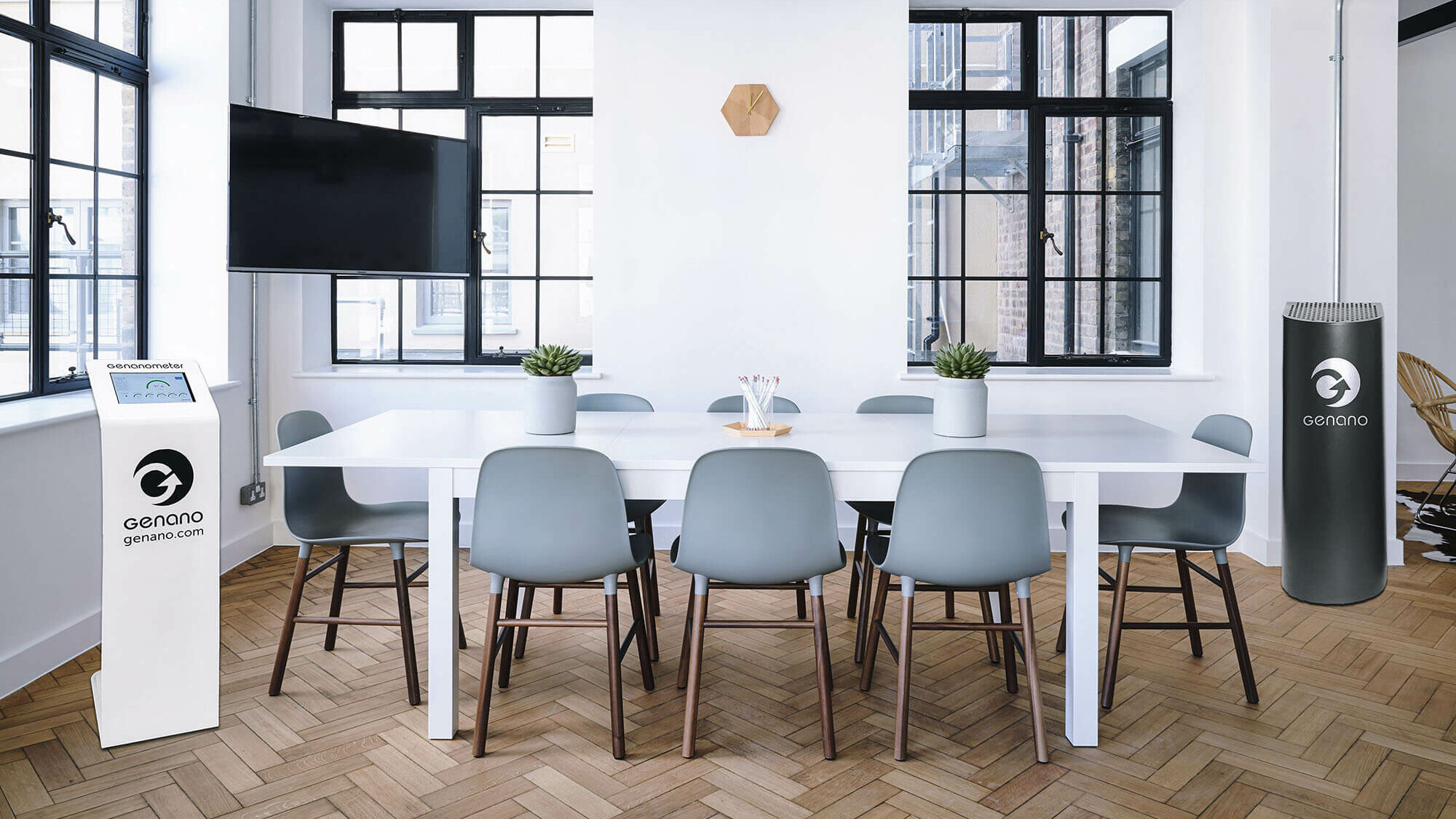
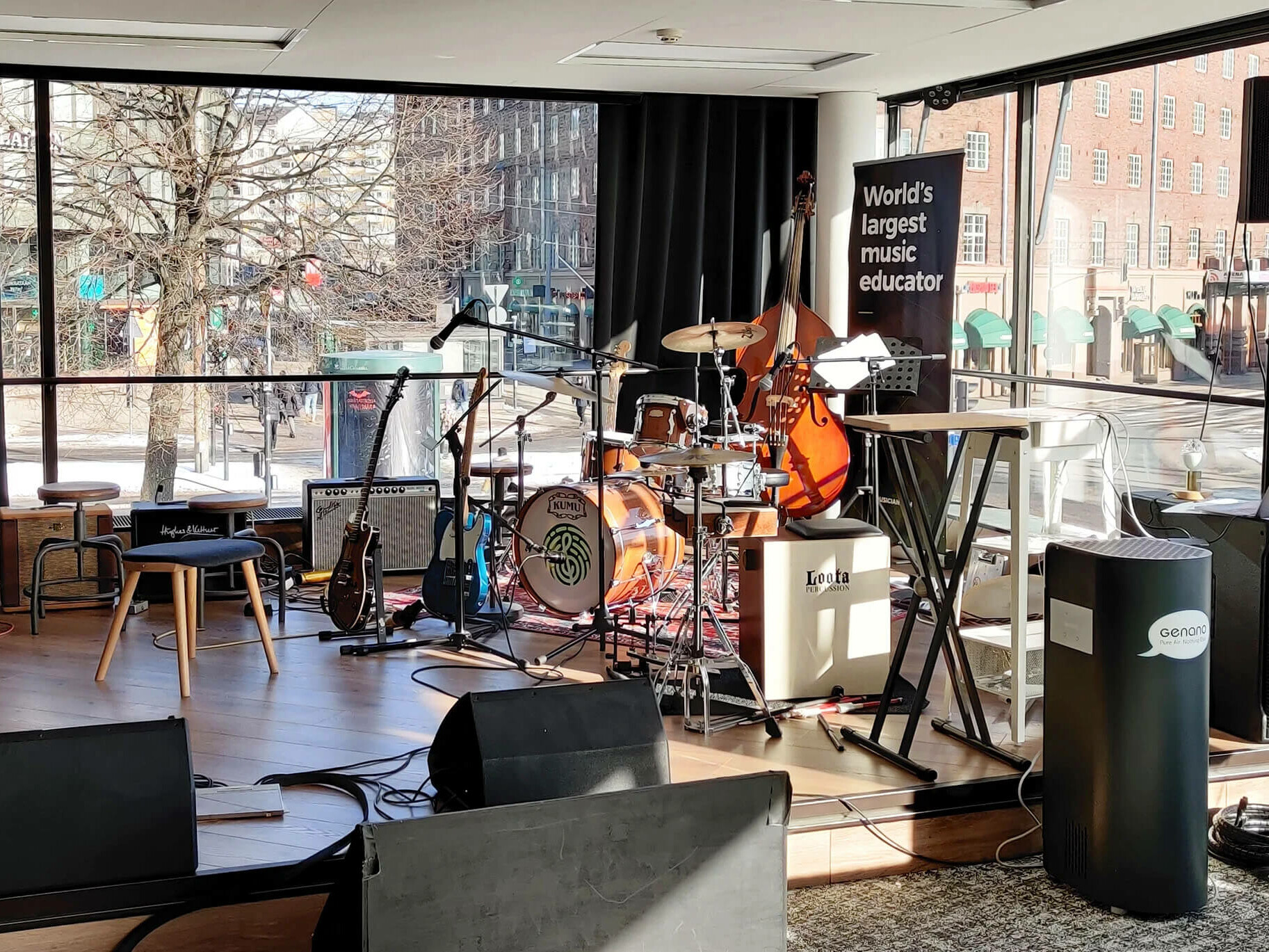
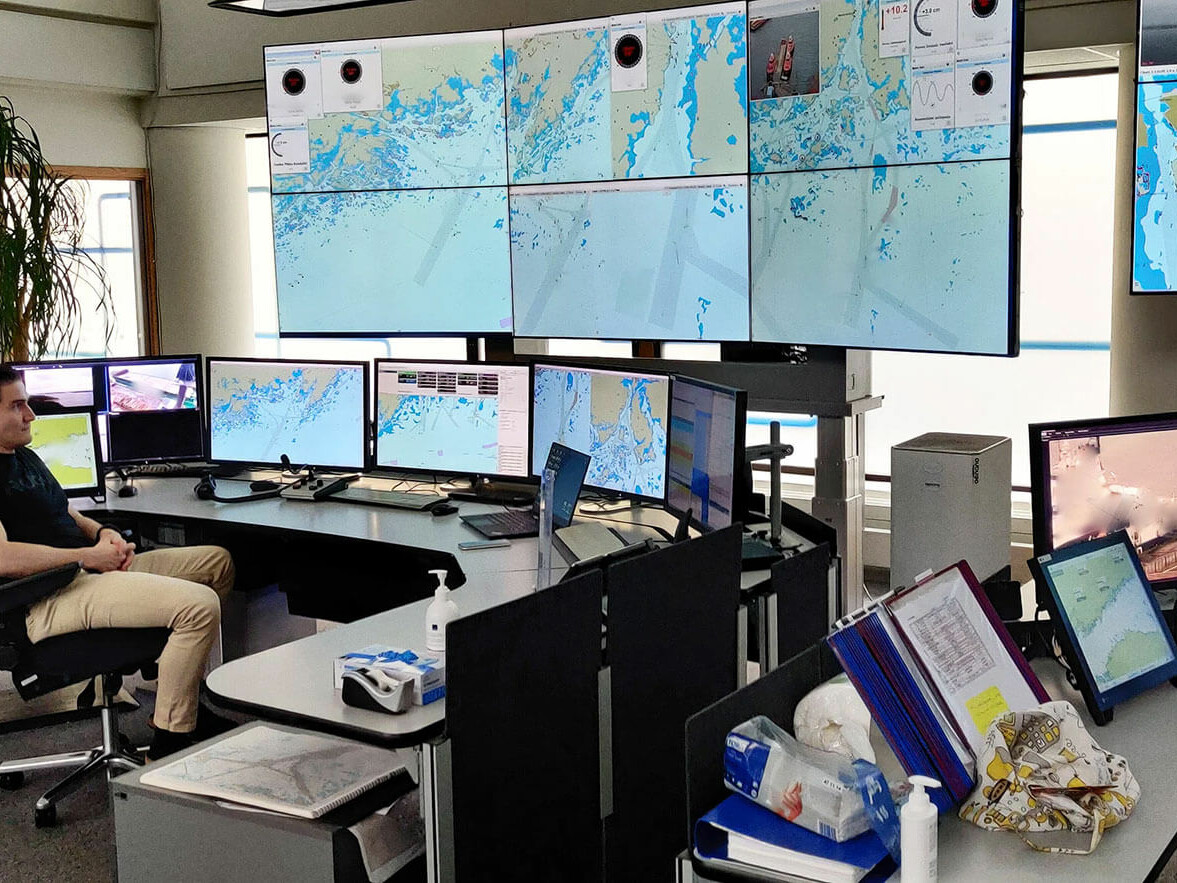
Hospitals around the world chose Genano air purifiers to help reduce transmission during the earlier SARS and MERS outbreaks. Genano can also provide air purification for offices, schools, care homes, gyms and other public spaces.
As public spaces began to reopen, ensuring good indoor air quality became particularly important. Air purifiers can be installed quickly wherever safer indoor air is needed.
Contact our indoor air quality specialists to find out how we can help your organisation improve its air quality.
Sources:
- The New York Times 8.4.2021: Has the Era of Overzealous Cleaning Finally Come to an End?
- CDC: Science Brief: SARS-CoV-2 and Surface (Fomite) Transmission for Indoor Community Environments
- https://www.thelancet.com/journals/lancet/article/PIIS0140-6736(21)00869-2/fulltext
- CDC: Cleaning and Disinfecting Your Facility
- The Washington Post 11.12.2020: We are over-cleaning in response to covid-19
- * VTT 11/2020 Microbiological efficacy of Genano air purification technology