
















What affects workplace air quality, and when should you look into it?
People often pay attention to workplace air quality only when they notice a change in working conditions. Indoor air can contain dust, fine particles, chemical compounds and other contaminants. Levels depend on the work environment, the processes carried out there and how the premises are used.
Many people have noticed stuffy air during the working day, strong odours in certain rooms or large amounts of dust during particular tasks. These observations alone cannot identify the cause, but they can show where a closer look at workplace air quality is warranted.
Several factors affect indoor air quality
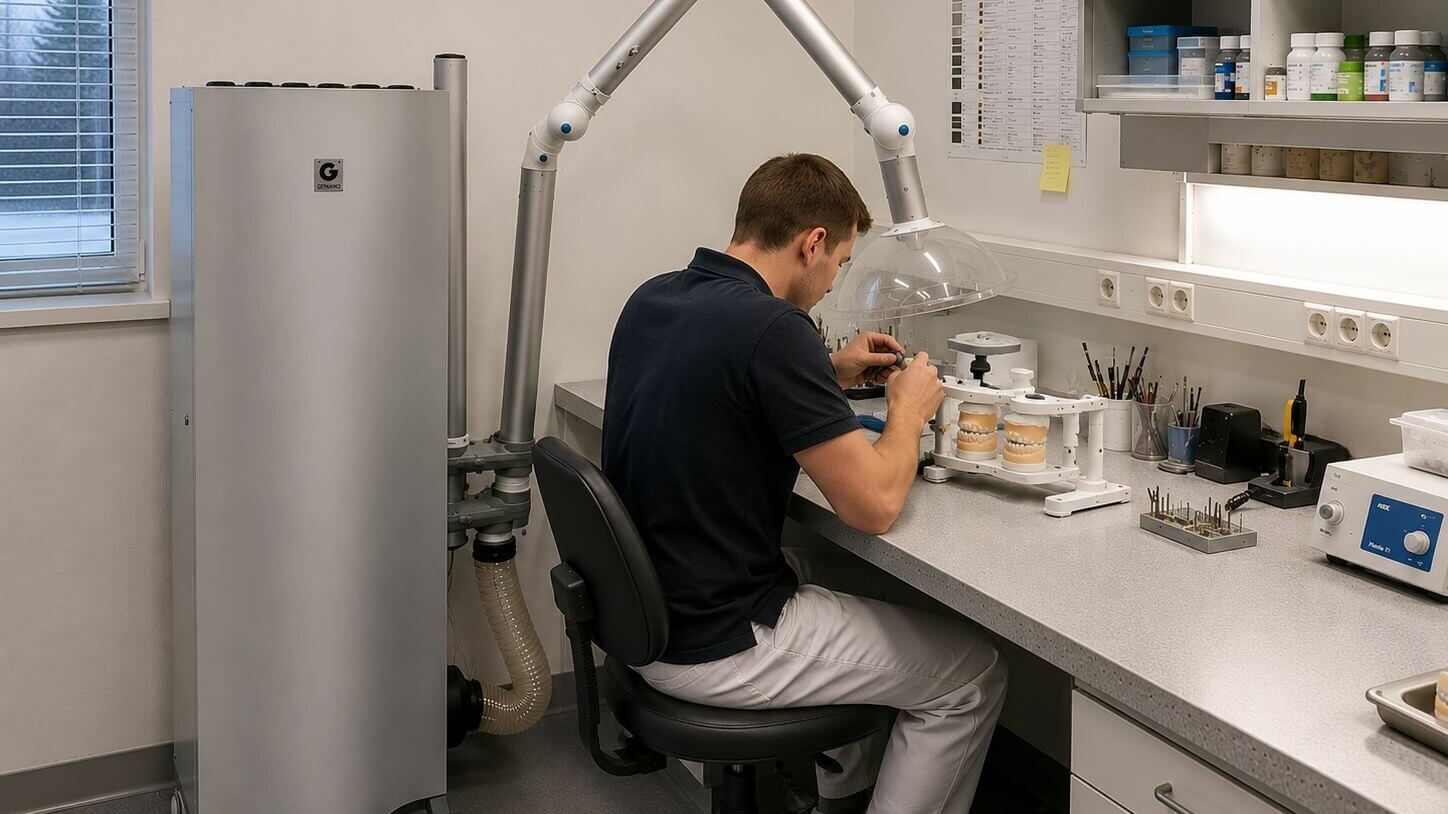
Workplaces differ widely. The factors that affect air quality in an office differ from those in production facilities, laboratories or hair salons.
Common factors include:
- dust and fine particles generated during work
- volatile organic compounds (VOCs) released when chemicals are used
- aerosols and other airborne contaminants
- high occupancy and heavy customer footfall
- pollutants entering from outdoors
- how well ventilation meets the demands of the space
- dust generated by construction and refurbishment.
The presence of these factors does not necessarily mean there is an indoor air quality problem. It does identify potential influences that can be investigated if needed.
When should you assess air quality?
An assessment may be worthwhile when:
- the air feels stuffy during the working day
- there are strong odours in the premises
- work generates significant amounts of dust or fine particles
- staff use chemicals or other products that release VOCs
- air quality seems to vary throughout the day
- you want to improve or monitor workplace conditions over time.
Start by establishing an objective picture of existing conditions before drawing conclusions.
Measurements support better decisions
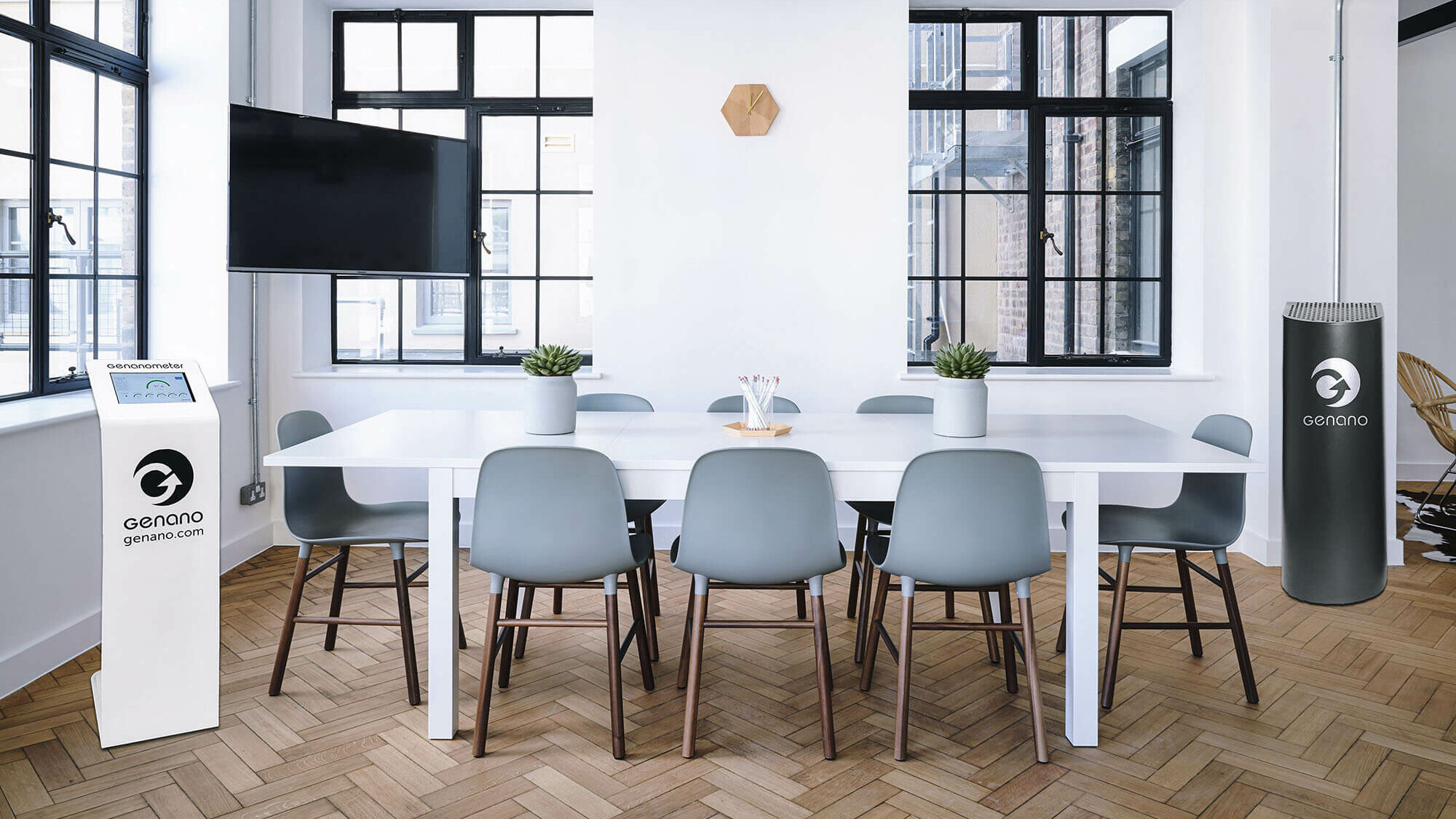
People can have different experiences of the same indoor environment. Where possible, use measured data to guide air quality improvements.
Measurements can provide information on fine particles, total volatile organic compounds (TVOC), carbon dioxide, temperature and relative humidity. Once you understand the conditions, you can assess which measures suit the site.
Hair-Eka case study: managing air quality in the workplace
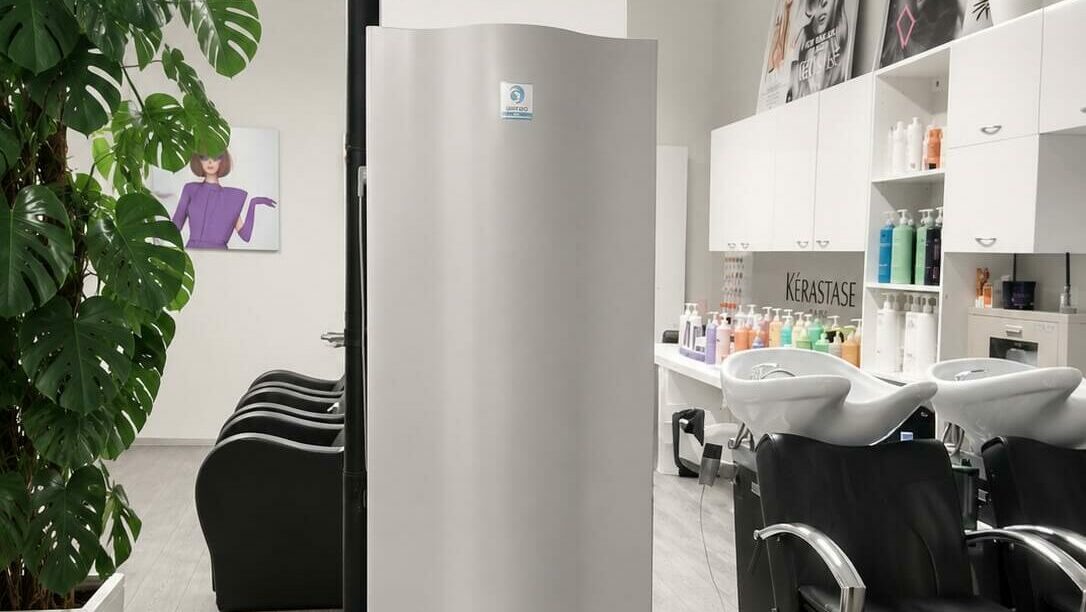
A hair salon is a good example of a workplace with several daily sources of indoor air pollution. Hair dyes, bleaches and styling products can release chemical compounds. Salon work also produces hair dust and other fine particles, and heavy customer footfall adds to the load.
Hair-Eka, based in Oulu, wanted to improve air quality and keep conditions as consistent as possible throughout the working day. The salon chose an air purification solution that could be installed without structural alterations.
Hair-Eka reports that air quality remains more consistent even at the busiest times. According to owner Titta Viite, staff have noticed a clear difference in how clean and fresh the air feels.
Summary
Many industries have day-to-day sources of indoor air pollution. Identify those sources and assess their effects when there is a reason to look more closely.
Measured data helps you choose measures suited to the workplace. These might include air quality measurements, a ventilation assessment, air purification or other steps tailored to the site.
