









Yousician wants to hire the best employees, so it offers the best air quality
- Yousician Oy has two musicality apps: Yousician is developed for learning to sign and play piano, guitar, bass or ukulele. GuitarTuna has been voted as the world's best guitar tuning app
- Founded in Finland in 2011
- Approx. 140 employees at the Helsinki headquarters & recruitment open all the time
- More than 25 million Yousician users worldwide
When Covid-19 shutdowns closed people into their homes, Yousician saved millions of people around the world from boredom. For many people, quarantines and restrictions gave a perfect opportunity to start a new musical hobby or continue a hobby that had been buried under the everyday life obligations with work, kids, hobbies etc. Yousician makes high quality music education at home available for everyone with just a few clicks.
The remote work recommendations emptied Yousician's headquarters in Helsinki for about a month. However, many of the jobs require physical presence, so the office was used at different volumes during the different phases of the pandemic.
A solution to prevent infection
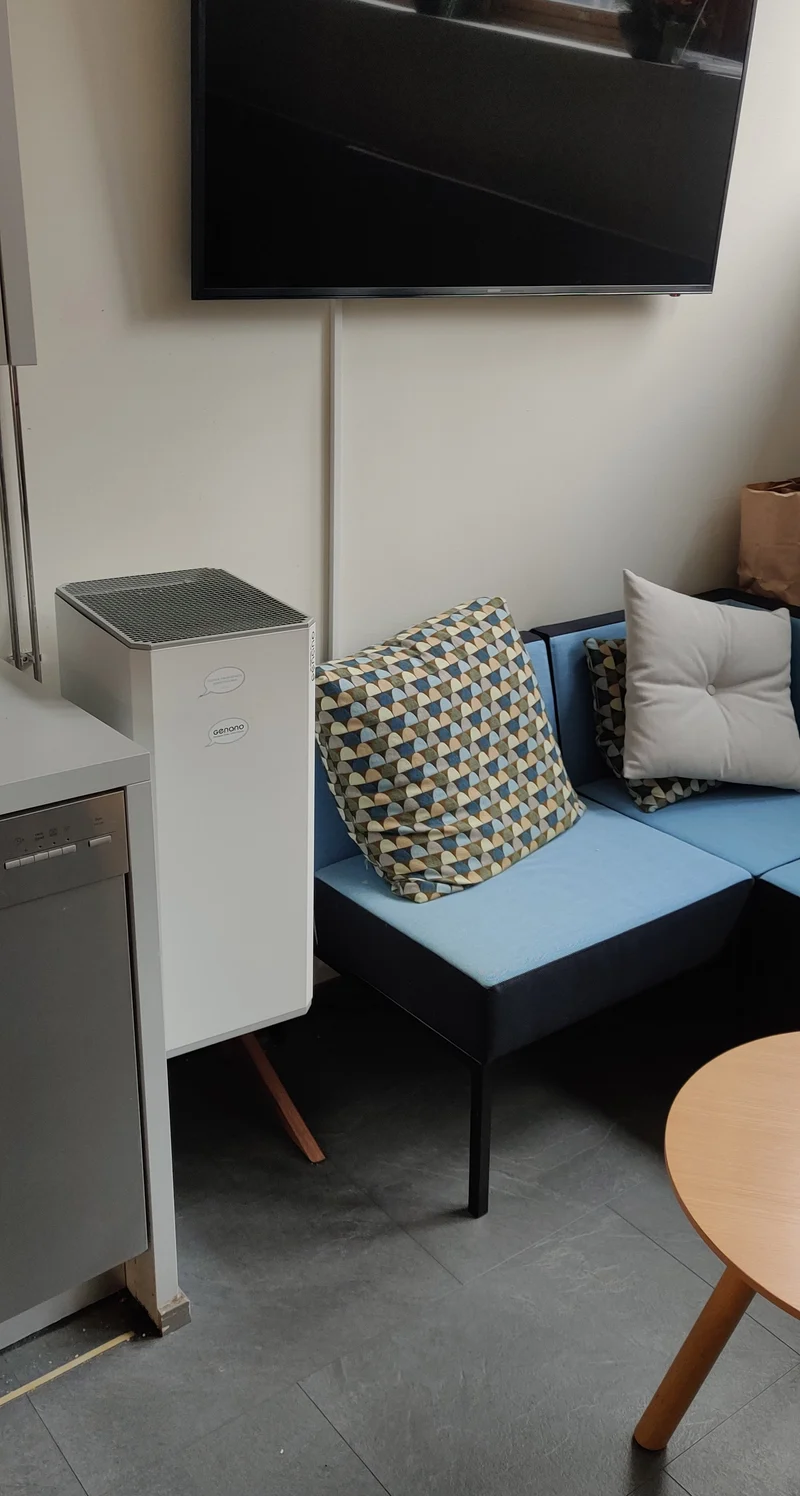
When Youscian's Senior Office and HR Manager Kaisa Sosala noticed Genano's air purifiers in a restaurant in Helsinki in the summer of 2021, she decided to investigate Genano's solution further. She reasoned that if the air was cleared of infectious viruses, people would be more encouraged to come to the office and safer encounters with employees would be possible.
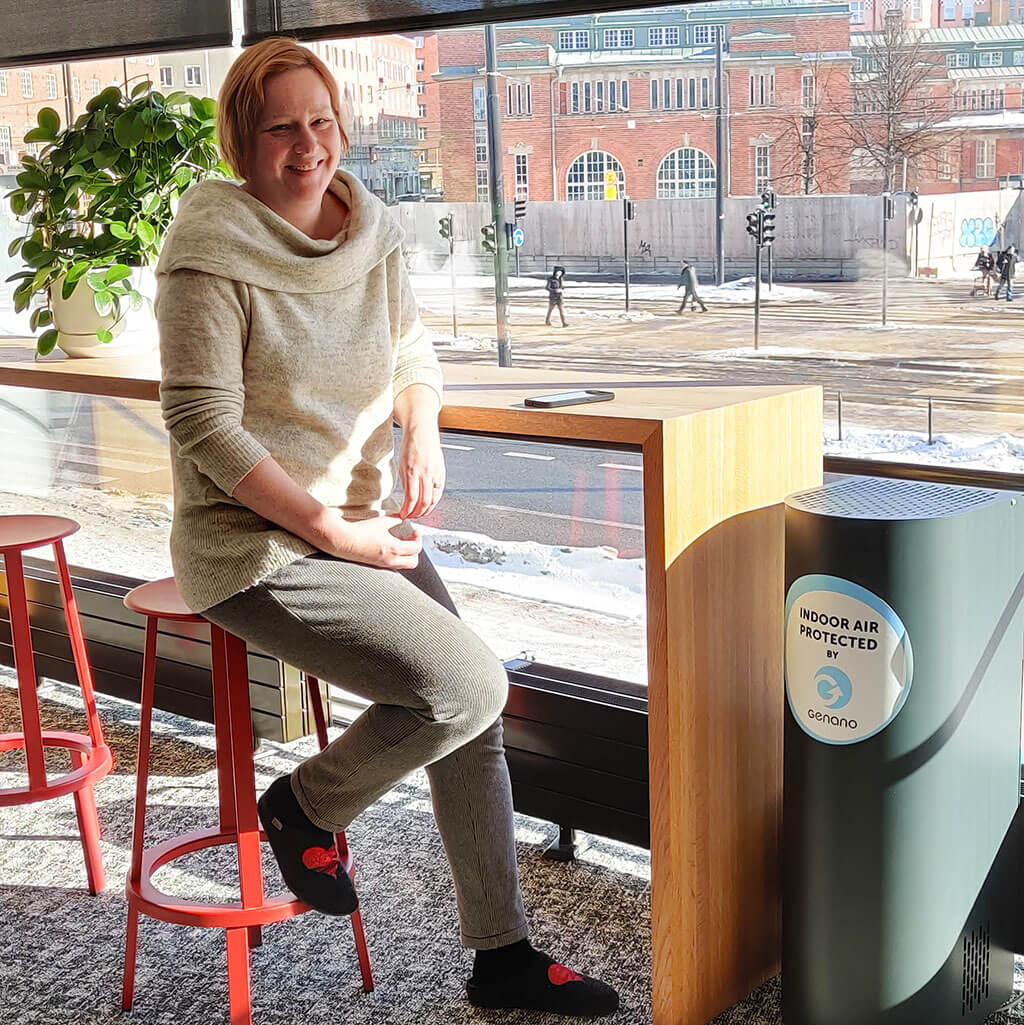
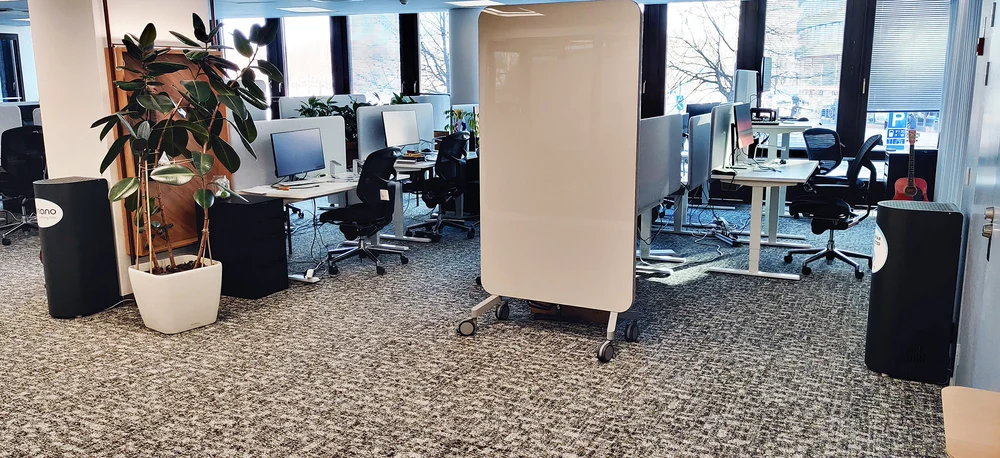
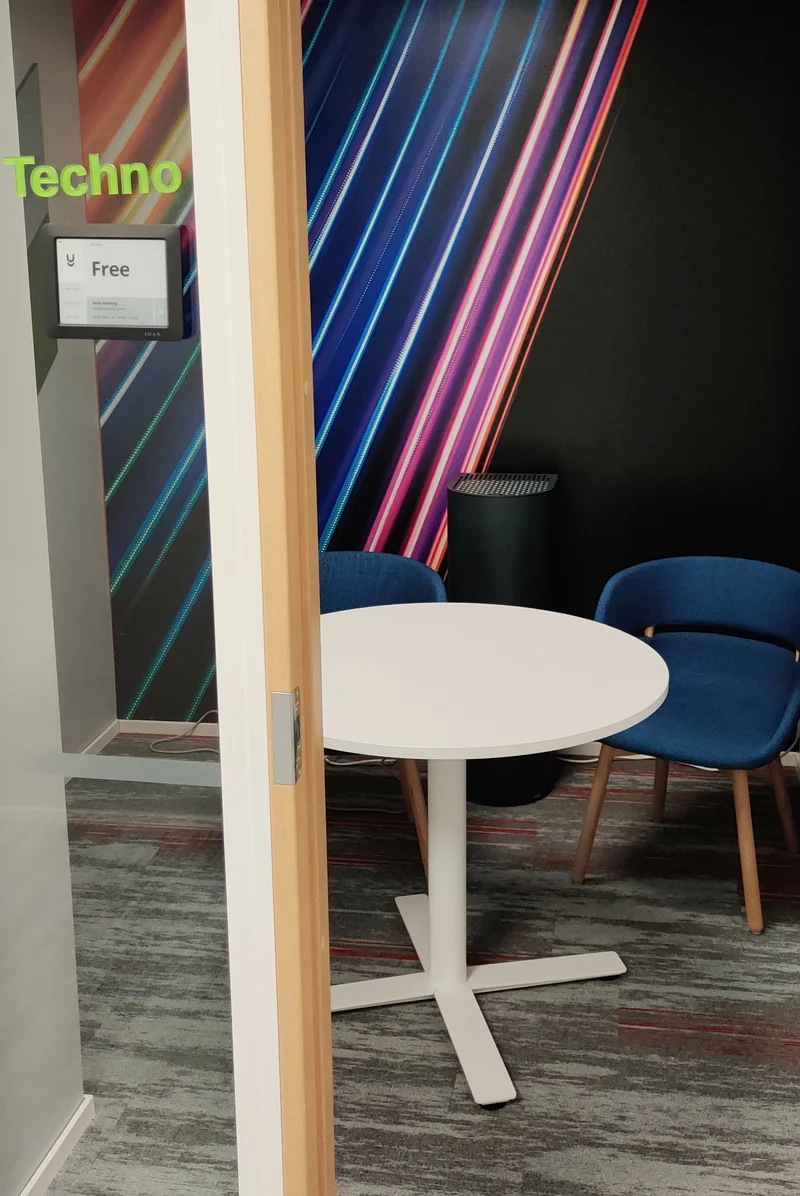
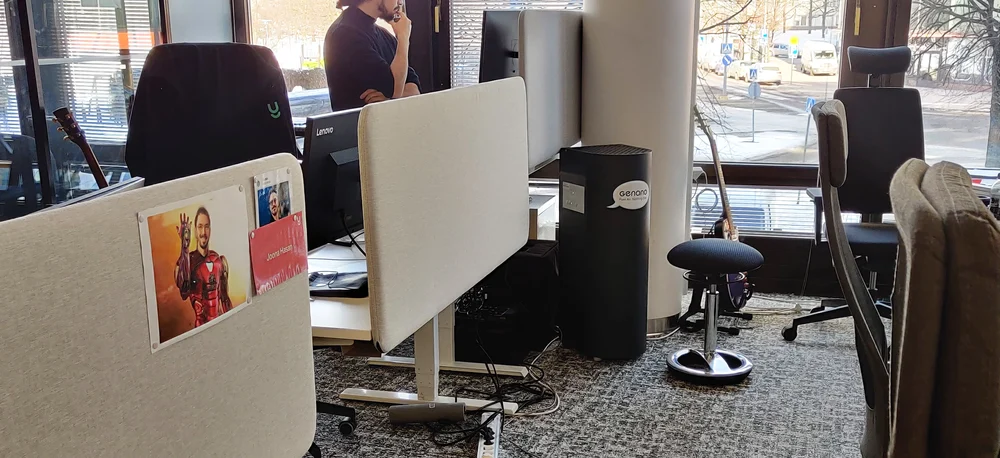
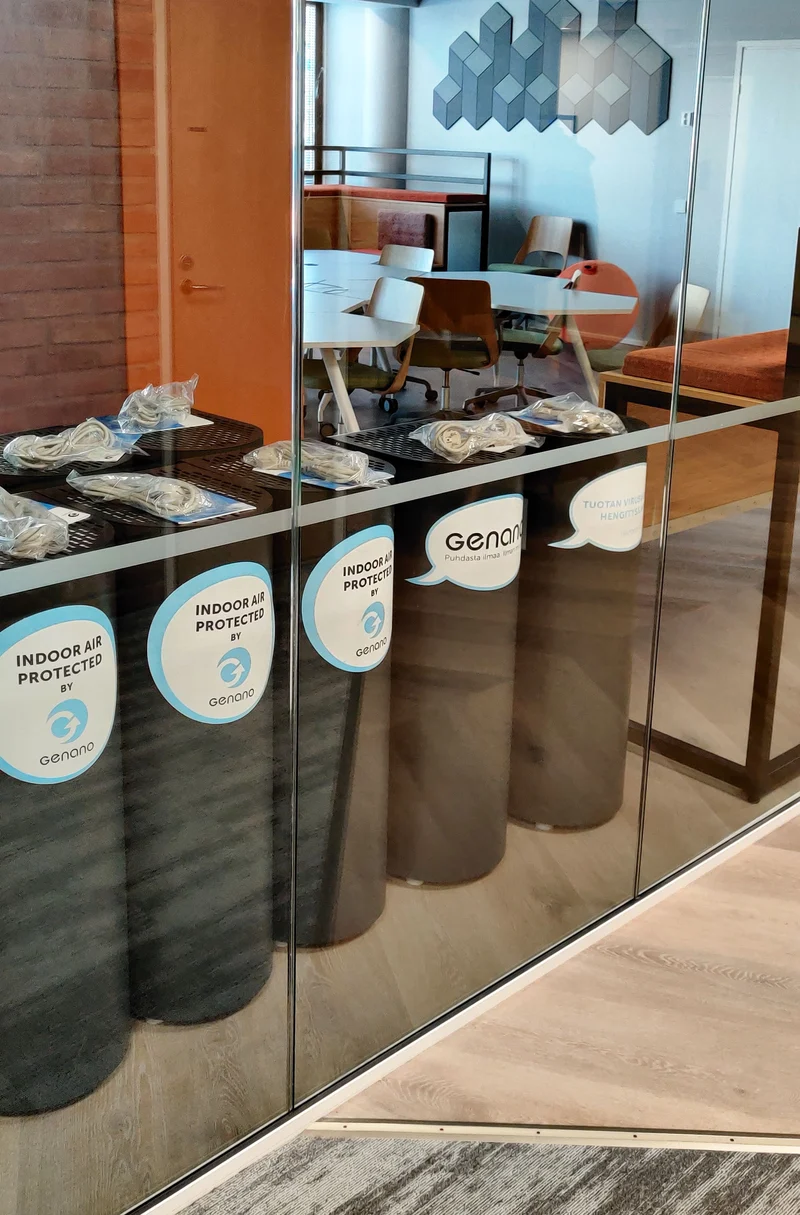
Genano has supplied Yousician's office with 58 pieces of G350 air purifiers to ensure high air hygiene in all common areas, open plan offices, meeting rooms and studios.
Yousician has also invested in virus protection with antimicrobial coatings and by making face masks freely available.
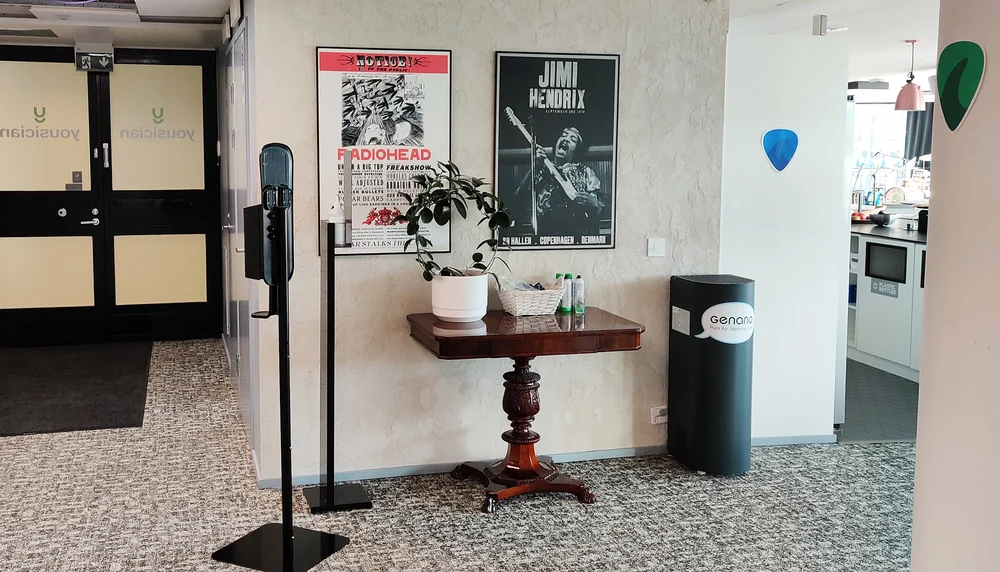
The stylish Genano 350 model was chosen because it is highly effective - according to a study by the Technical Research Center of Finland, it removes all airborne viruses and bacteria from indoor air with 99.999% efficacy. The indoor air circulates through the units continuously, so that the air is completely cleaned every 15 minutes or so. This prevents virus levels from building up as high concentrations, making infections very unlikely.
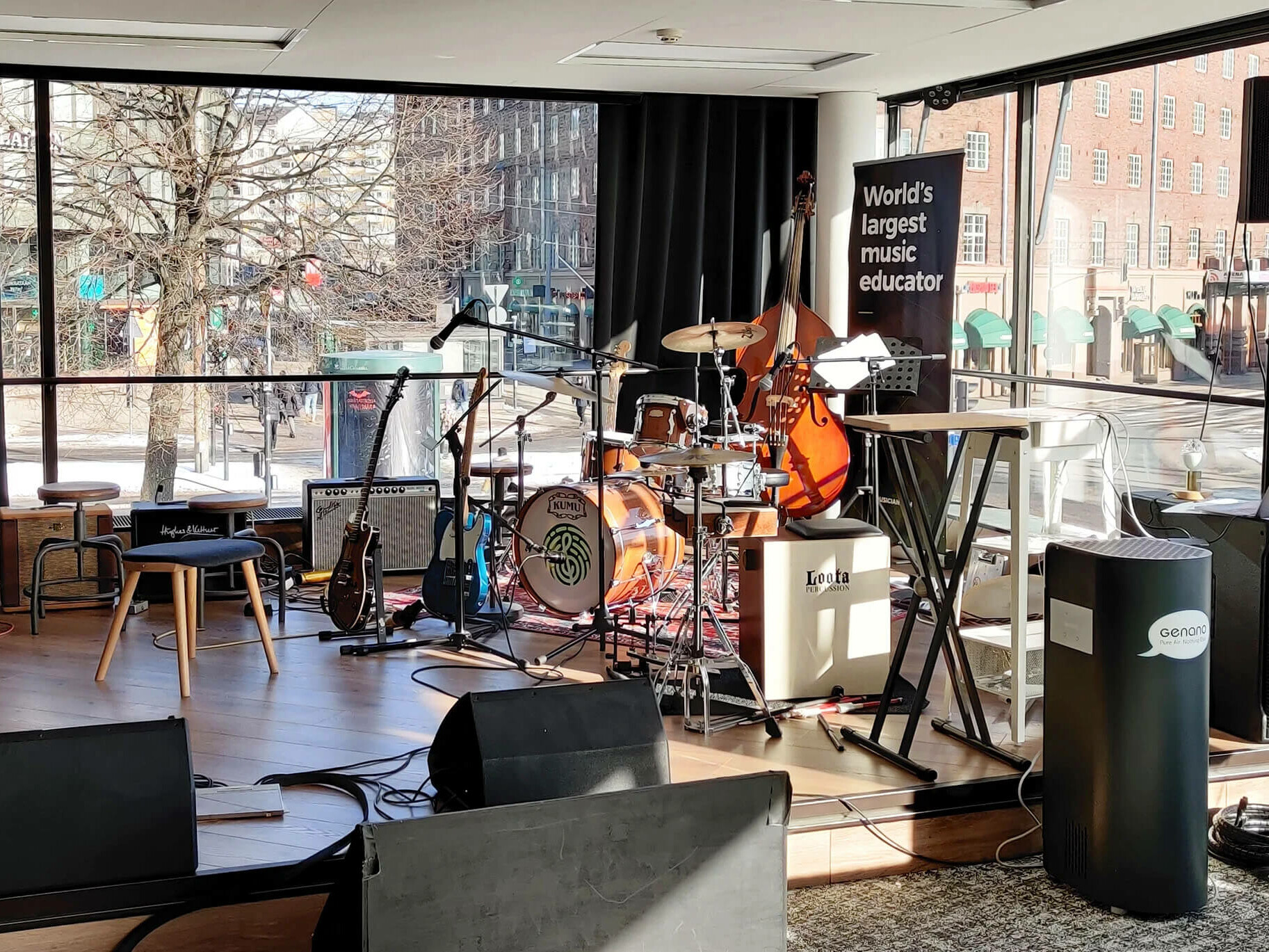
"After installing Genano air purifiers, the willingness to come to the office increased significantly. Employees gave feedback that it was great to see such an effort in staff health. The air purifiers are very wanted - for example people quickly notice if an air purifier is missing from a meeting room and they go and fetch one. The presence of Genanos has become so important that we even took them to the Christmas party in the restaurant across the street," says Sosala.
A differentiating factor in a competitive recruitment market
During the pandemic, the number of Yousician users has increased significantly. The app is constantly evolving - learning to play and sing in the app is very interactive and the production of educational material is an ongoing process. As a result, the staff has almost doubled during the pandemic.
Due to the strong emphasis on recruitments, top-level candidates are being searched from all over the world. Yousician realized that especially when they suggest job candidates to move to Finland from abroad, Genano air purifiers play an important role in the final decision process. The fact that the office's air is being purified with powerful air purifiers is highly valued. Safe air in the office is also mentioned in the list of employee benefits in the job offer.
A preventive solution for the long term
At some point, Covid will end, or it may remain in our midst, but the need for healthy air will never end. Even if working with colleagues face to face does not pose an immediate health risk, investing in staff wellbeing is always worth it.
"We didn't get Genano air purifiers just for this pandemic – people will keep getting sick also with seasonal flus and other viral diseases. I believe that Genano will significantly reduce sickness absence. We've had four or five different situations, where a person who had corona without knowing it, exposed about ten people at a time, but not once has this resulted in infections in colleagues."
Yousician din't get Genanos just for viruses either. Genano's air purifiers also remove all ultra fine particles from the indoor air. Using a unique, patented technology, the devices remove much smaller, nano-sized particles from the air compared to competitors. The smaller the particle, the more dangerous it is. In the long term, microscopic particles are the cause of many serious, chronic diseases. Genano is also effective in removing background ozone and VOCs, for example, which are carried into the air we breathe by furnishing materials, fire retardants and various appliances.
Last but not least, clean indoor air also has a positive impact on general well-being:
"The air in the meeting rooms has been praised for no longer feeling stuffy," says Sosala.


TFW Gym & Genano – Virus free air for fighters
- Address: Ruoholahdenkatu 21 C, 00180 Helsinki, Finland
- Functional training gym in the heart of Helsinki
- tfwstadi.com
- Instagram: @tfwstadi
TFW (Training For Warriors) is a functional training gym chain whose entrepreneurs make decisions rather independently. TFW Stadi's entrepreneur decided to increase the health and wellbeing of instructors and customers and decided to rely on Genano's concept 'Clean Air as a Service' for the gym.
Two years ago, when the corona pandemic turned the entire sports industry upside down and remote training increased, TFW gym believed in maximum protection on site, so that group training could continue as safely as possible.
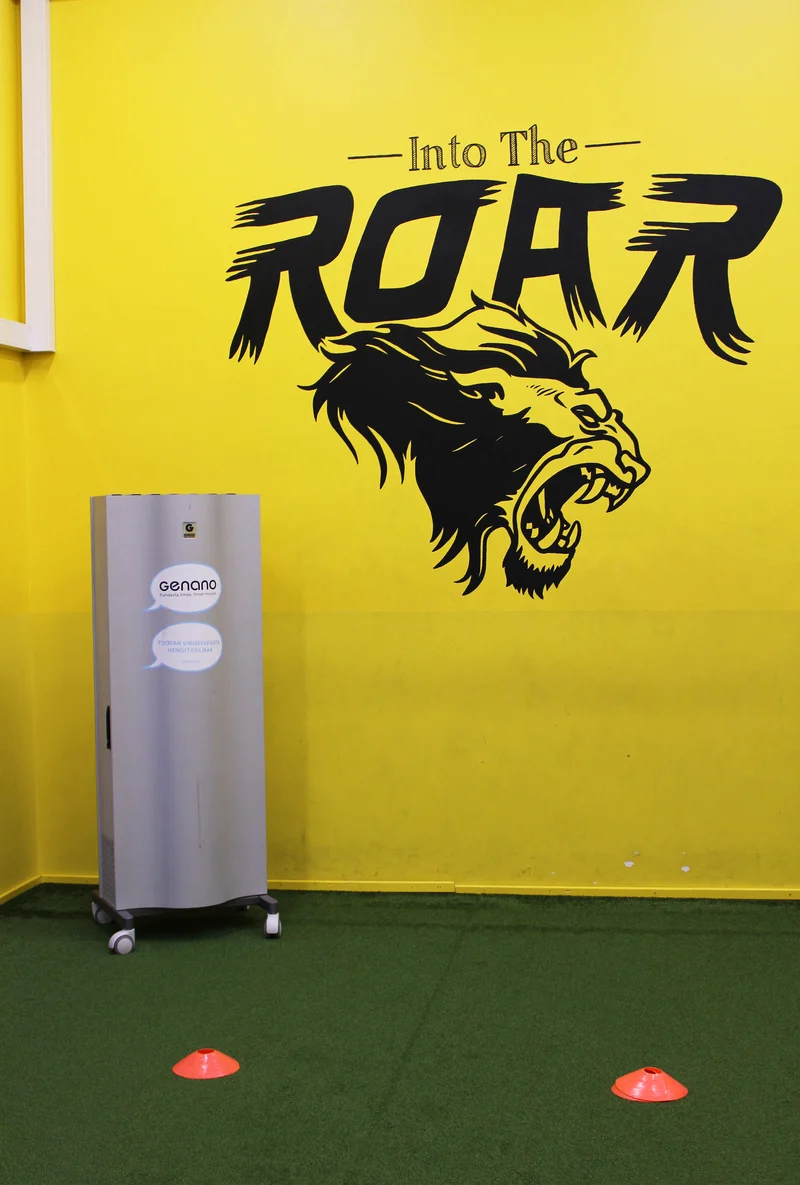
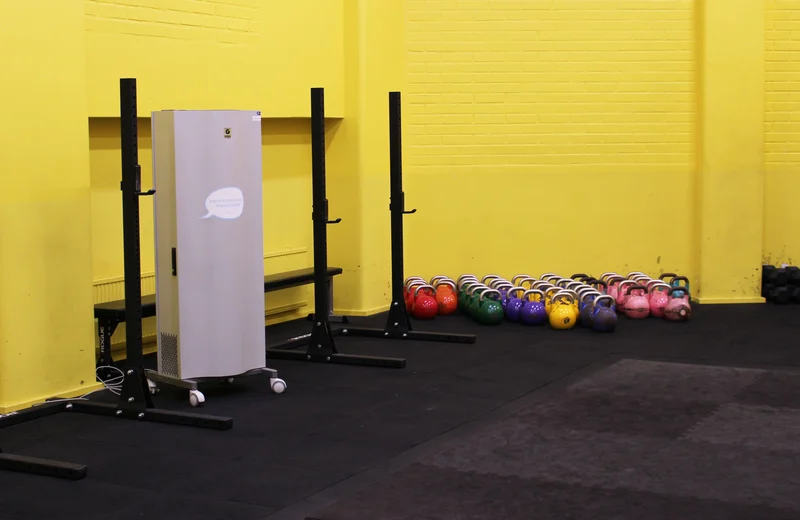
Additional security for group training with air purification
When Mikko Salonen started as a TFW entrepreneur in October 2021, it was clear to him that the Genano air purifiers would stay in the gym to protect customers and staff from infection risks, seasonal flus and other microscopic air pollutants.
In practice, the training air in the gym is cleaned by three Genano 420 air purifiers, which are designed for efficient air cleaning of large air volumes. The technology that is based on electric filtration removes even the smallest nano-sized particles and all microbes, such as viruses and bacteria, from the air. An efficient active carbon collector also removes harmful VOC gases and unpleasant odors from the air.
"Genano's equipment was originally acquired for corona. We want to give our customers a sense of security. Here, we exercise in groups, which means people are in close proximity to one another. With the help of Genano, we eliminate viruses from the air, because we want to act responsibly in this pandemic situation, where we have been for a long time and will probably continue to be," says Salonen.
Genano as a tool in new customer acquisition
When the world is taken over by repeated corona waves and people have kept postponing their gym memberships, TFW Stadi has been able to respond to customers' concerns reassuringly. Existing and potential customers have asked how TFW Stadi will react to corona risks if the situation worsens. The gym can always explain how Genanos are being used as an efficient safety measure for the safest possible training experience. The use of Genanos and the gym's other security measures have been utilized in campaigning, social media and other sales and marketing materials.
Salonen says that they have received positive feedback about Genano. Among other things, customers have said that the air feels good in the gym and it feels safer to work out in a group when you know that the big air purifiers process the air non-stop.
"Customers pay for first-class service and quality in the form of membership fees, so we give them the best air quality and good hygiene in return, in addition to the best coaches and good facilities."
"Cooperation with Genano has been really easy and we have been particularly satisfied with the nice and easy customer service. I definitely recommend Genano to others in the gym and sports industry as well", summarizes Salonen his experience with Genano's clean air service.
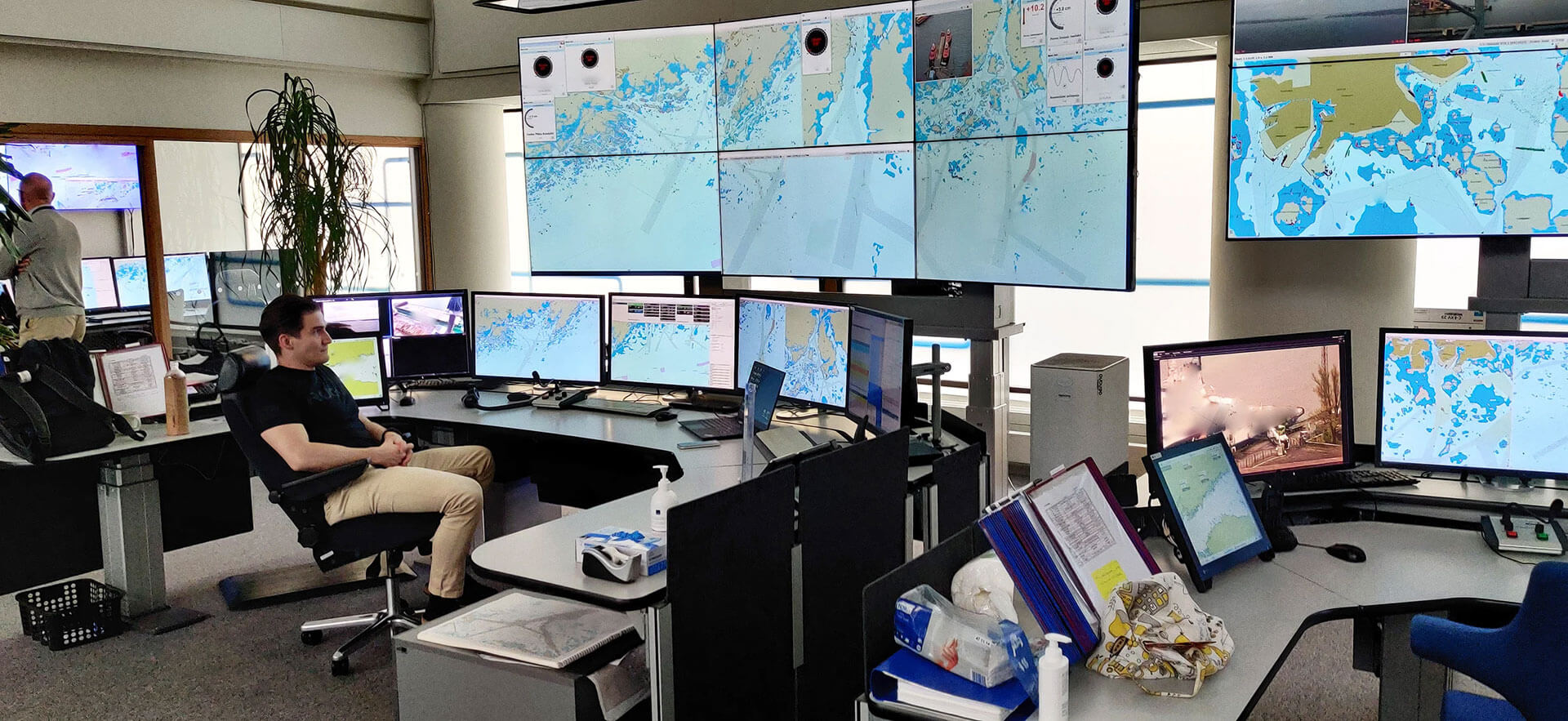
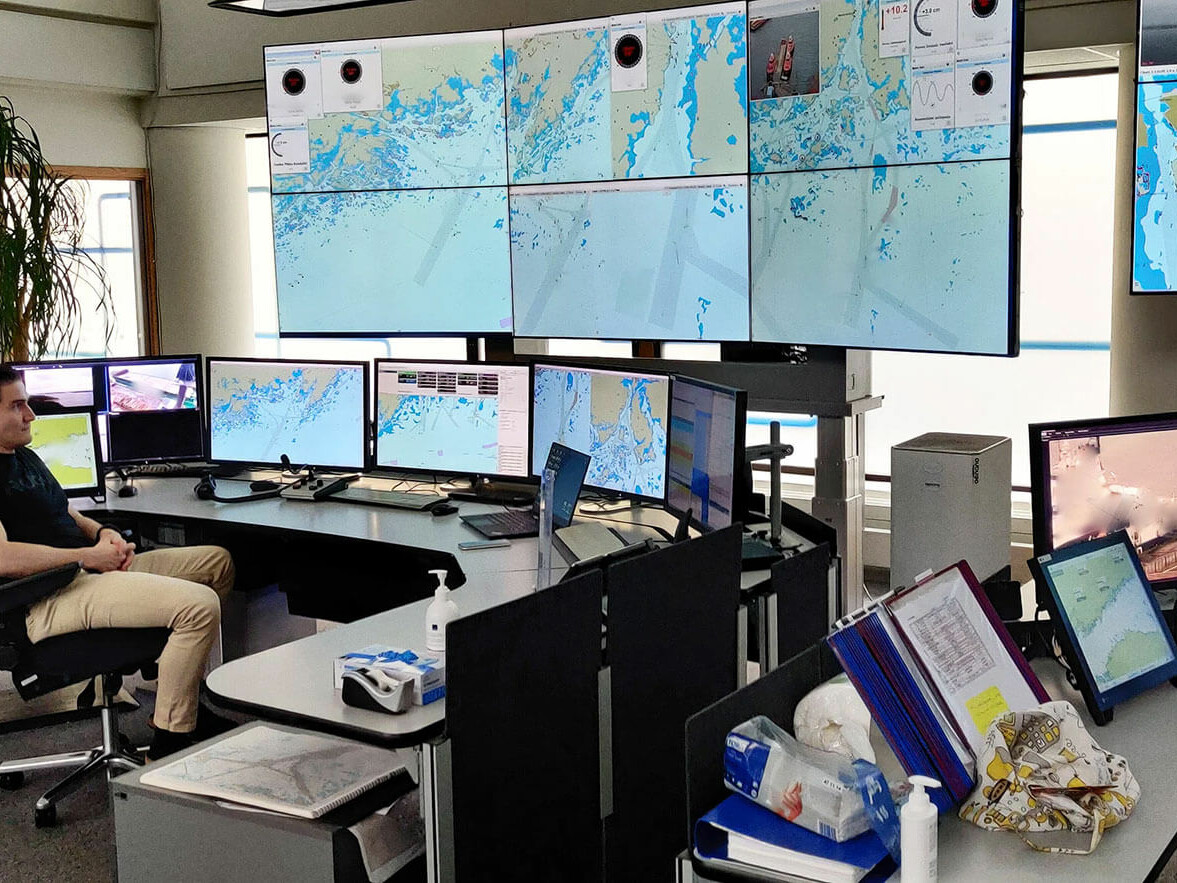
Fintraffic's Vessel Traffic Services prevented all work-related infections with maximum air cleanliness
- Mission: maritime traffic control on coastal shipping lanes and Saimaa deep fairway, information, navigation assistance and traffic management. In addition, active involvement in the development of the maritime digital ecosystem.
- Staff: around 100 people
- Location: 3 VTS Centres in Finland
- www.fintraffic.fi/en/vts
Starting point - operational staff needs more protection against infections
In the VTS Centres, where staff ensures that traffic flows safely and smoothly through Finland's merchant shipping lanes, it was never possible to assign operational staff to work remotely, whereas the rest of the organisation was ordered to stay at home offices in the beginning of the pandemic. In the VTS Centres, there are employees monitoring and controlling the maritime traffic every day of the year.
"We maintain the situational awareness and assist and consult vessels if necessary. For example, in 2022, we prevented 19 vessels from running aground between January and September. Our aim is to intervene when we detect a vessel going out of the fairway, for example, and in the best case we are involved in preventing major economic and ecological damage," says Jorma Timonen, Security Manager of Fintraffic's Vessel Traffic Services.
The premises were kept as clean as possible and infections were avoided with different safety measures such as remote working, visitor restrictions and disinfection of surfaces.
In an organisation like Fintraffic's Vessel Traffic Services, long quarantines would have been a nightmare for shift planning. Not only because of long sick leaves, but also corona exposures could have led to a situation where a large number of vessel traffic controllers would have been quarantined and dozens of shifts would have had to be rearranged.
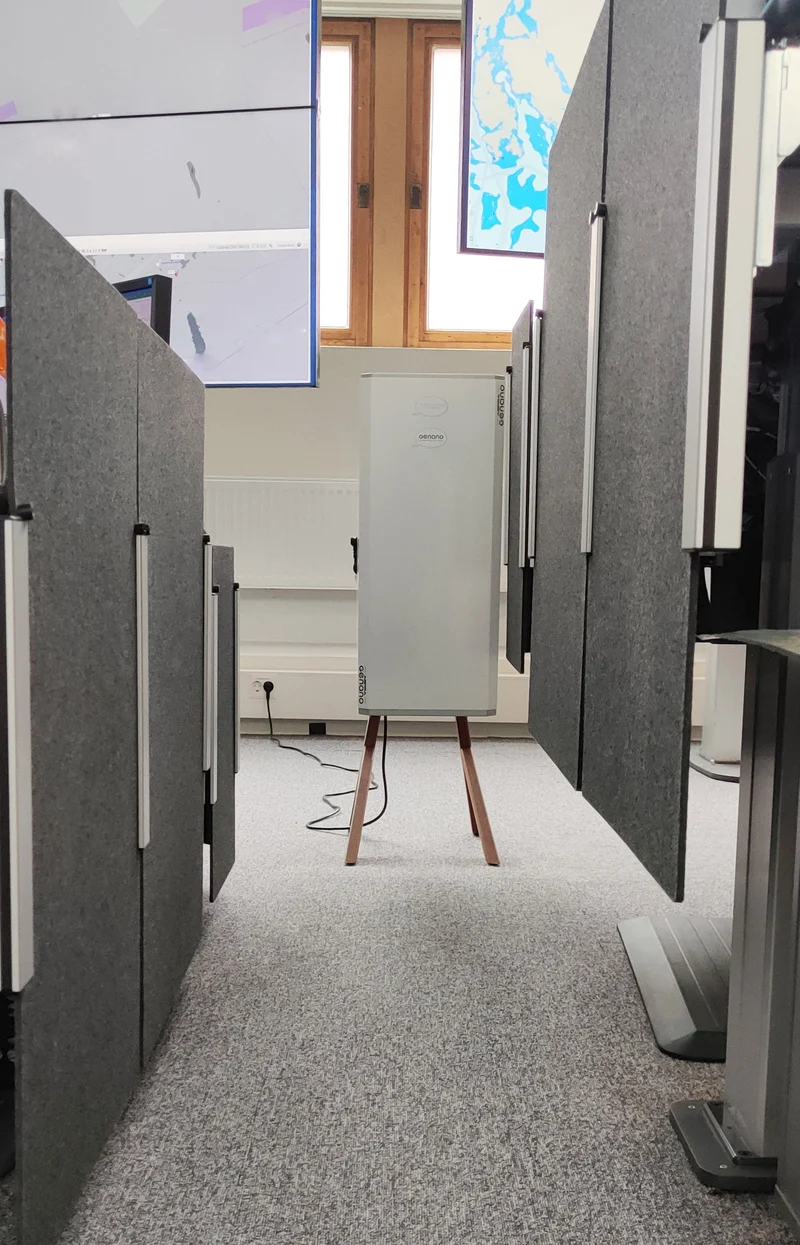
The solution - a complete air purification system in the control room
One of the employees saw a Genano air purifier in the gym and then started looking for more information online. After getting to know the science behind it and discussing the issue within the work community, Genano was contacted. Around the same time the organization was already considering air purification or antimicrobial coating of surfaces as additional protection options against covid. After reading the research data, they became convinced that corona is an airborne disease and therefore infections are best prevented by air purification.
Another decisive factors were Genano's references from similar sites and official research report that proves Genano's electronic air purification technology eliminated 99.999% of indoor air microbes. In spring 2020, the customer decided to purchase a total of 10 air purifiers from Genano, initially on a one-year trial basis, followed by a three-year lease agreement.
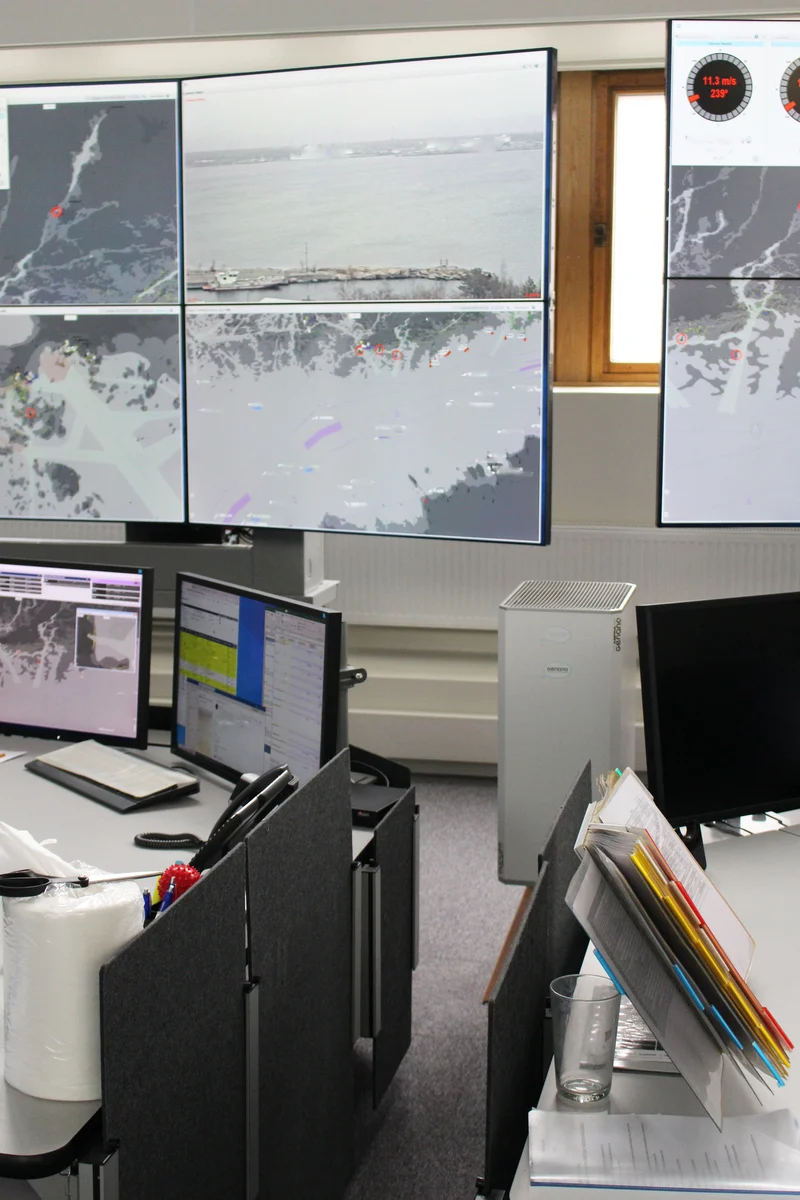
"We are pleased with the fast service during the quotation and ordering phase. The cooperation was seamless and the installation did not require any special measures. The yearly maintenance has also been seamless and proactive," says Jorma Timonen.
Genano being a local and ecological company also weighed in the decision making. Sustainability is an important value for Fintraffic's Vessel Traffic Services, which aims to protect the Baltic Sea. The staff can help vessels reduce waiting times and guide them to save fuel, for example by providing information about congestion so that the vessels know there's no need to rush.
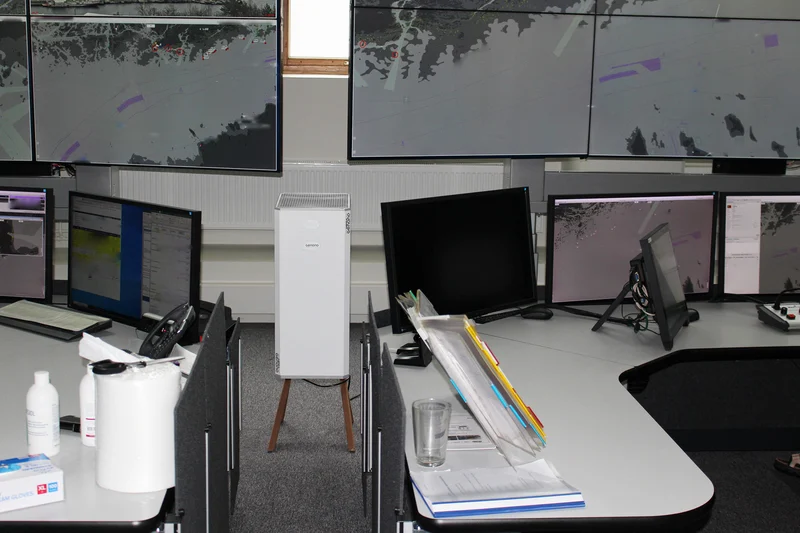
Genano air purifiers are ecological and very energy efficient compared to conventional air purifiers. The innovative Genano air purifiers use electric filtration instead of clogging fibre filters. Traditional fiber filters cause an increase in energy consumption the dirtier the filters become during use. Genano air purifiers combine energy efficiency, consistent air cleanliness 24/7/365 and unbeatable cleaning efficiency in terms of particle size, volume and clean air delivery rate.
Because the work requires concentration, the quietness of the air purifiers is also a positive feature for the control room staff.
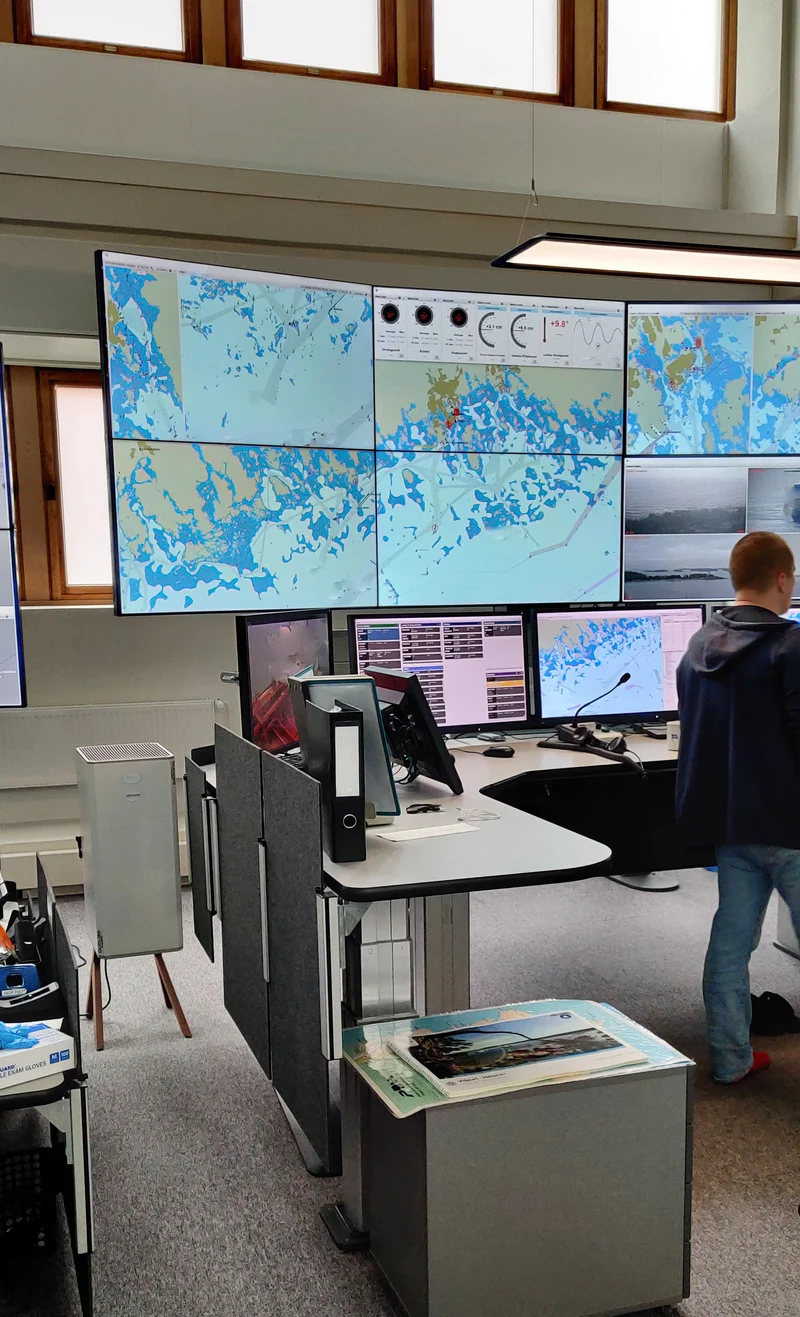
Results - no work-related infections, significant relief from allergies
Hybrid working is now permitted, and other than control room employees can decide where they work from within their own teams.
Since the installation of Genano air purifiers, zero work related infections have been identified (until November 2022). Together with other complementary safety measures, the results have been excellent.
"Although there have been cases where an employee has unknowingly been at work while having covid, there haven't been any work-related infections."
"In addition, one of the employees said that during the street dust and pollen season, the air quality has now been clearly better. Normally she suffers from allergies, but the symptoms have decreased considerably compared to previous years," says Jorma Timonen.
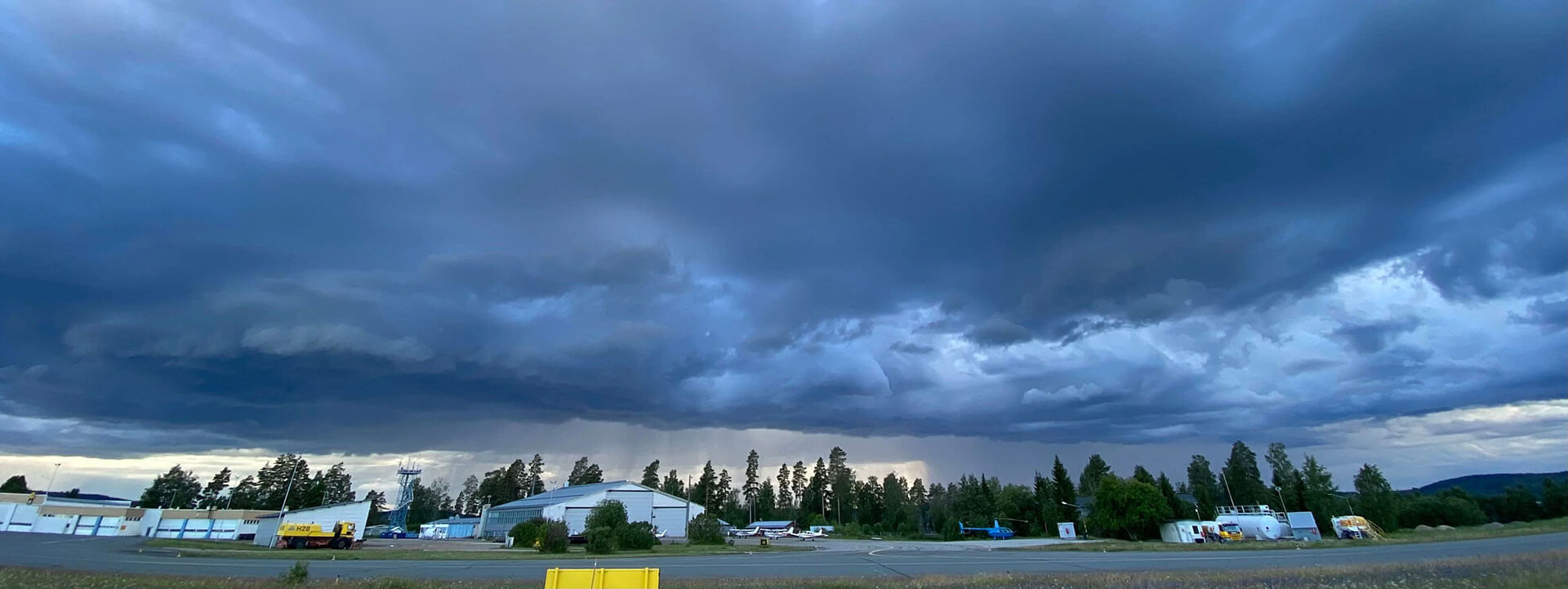
Aviation enthusiasts at Kuopio Airport have said goodbye to allergy symptoms thanks to Genano air purifiers
Starting point
Aviation clubs use the airport's facilities in different ways, and some buildings are unheated for most of the year. None of the clubs can afford to heat unused properties throughout the winter, inevitably leading to the accumulation of impurities and health risks in the buildings' structures and air. Some of the properties' users experienced allergy symptoms that disrupted activities and affected quality of life. The need for safer indoor air was clear.
Solution
The innovative Genano 350 air purifiers provided a solution to the problem. Utilizing unique electric filtration technology, these devices efficiently remove even the smallest particles and microbes, such as viruses and bacteria, from the air. According to a research report by VTT Technical Research Centre of Finland, Genano 350 air purifier is highly effective at removing viable microbes in the air. Additionally, the device's activated carbon collector removes harmful VOC gases and unpleasant odors from the air.
"The efficiency and features of these air purifiers are really impressive. Investing in cleaner indoor air is a long-term investment in the health of our entire club, as the devices clean the air around the clock," states an anonymous aviation enthusiast.
Results
With the introduction of Genano air purifiers, the hobbyists noticed tangible changes. Previously common allergy symptoms completely disappeared, and the air quality in the facilities significantly improved.
"Previously, some of us suffered from severe allergic symptoms indoors, but since we started using the purifiers, these symptoms have completely disappeared," says Riikka Netti, a diverse aviation hobbyist and healthcare professional.
But the cleaning power is not the only advantage of the Genano air purifiers – the devices operate energy-efficiently and ecologically. Plus, their maintenance is reliable and timely, without causing any disruptions.
The club members have been very satisfied with the service and expertise provided by Genano – their investment in cleaner indoor air has brought both health and operational benefits. Clean indoor air is now part of the daily life of Kuopio Airport's aviation enthusiasts.
"We are pleased with the prompt service and friendly expertise. Although the air purifiers require a financial investment, cleaner and safer indoor air is important to us," the hobbyists collectively state.

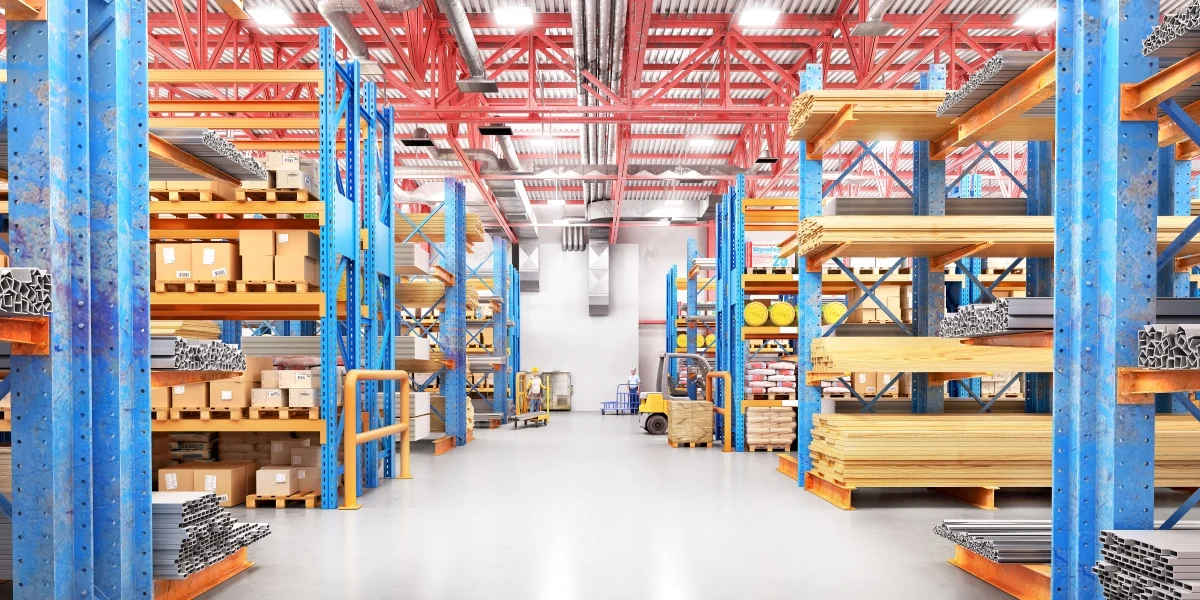
What causes poor indoor air quality at warehouses and manufacturing plants?
Factors that result in poor indoor air quality within a warehouse:
- Exhaust fumes from constant pick up and drop off of goods.
- Chemical emissions from manufacturing processes or raw material.
- Poor ventilation, particularly in winter when warehouses are sealed off from the cold.
- Poor upkeep of ventilation, heating and air conditioning systems.
- Dampness and moisture due to leaks, flooding or high humidity.
As carbon monoxide is the most prevalent of toxic gases within the warehouse, where diesel forklifts are driven inside. Carbon monoxide poisoning is a significant threat, whereas organs such as the brain and heart are essentially starved. Early symptoms of carbon monoxide poisoning are flu-like and nonspecific, they include; dizziness, weakness, headaches, nausea, visual disturbance, confusion, chest pain and unconsciousness. Building ventilation alone should not be relied upon to prevent carbon monoxide poisoning.
How does the poor indoor air quality affect your business?
Although air pollutants are invisible, they can have a serious impact on our health. Air pollutants can cause respiratory diseases and even cancer, along with other health effects, causing sick-leaves. The cost of one sick-leave day can cost even hundreds of euros for employer. The indirect effect of it is a poor employer image, that makes it difficult to recruit qualified personnel.
The poor indoor air quality in manufacturing halls significantly increase expenses for business owners in many ways – also by slowing down the production. Malfunctions of sensitive robotics can cause delays or quality issues in production processes. That, of course, shows in the number of defective products, which usually ends up in scrap – causing losses, or in delays in production, when the manufacturing equipment are being maintained. The more the equipment is maintained, the more expensive it becomes to run the operations. The high level of cleanliness adds up to the lifecycle of manufacturing devices, due to preventing transmission of airborne pathogens.

Indoor air quality has an essential effect on the efficiency of industrial production
The dust created by industrial processes, various functions and movement in industrial facilities mixes with indoor air and creates problems for many companies. In addition to dust from industrial processes, impurities coming from outside add to the challenges in production facilities. Even regular cleaning of the premises does not solve the dust problem completely. Challenges are also posed by old ventilation systems that are inadequate for current needs although they comply with the regulations of the time of their building.
The wording of old regulations is often vague, stating, for example, that ventilation must be adequate and indoor air quality satisfactory – without specifying what ‘adequate’ or ‘satisfactory’ means exactly. Impurities in indoor air today can be something completely different to what they were three decades ago.
When the fouling of the produced goods can be prevented, the frequency of cleaning and device servicing can be reduced.
A more cost-efficient production process through clean indoor air
When the fouling of the produced goods can be prevented, the frequency of cleaning and device servicing can be reduced, and the efficiency of production increases. In practice, this means fewer breaks and more operation time in production. The number of faulty products and product returns will fall significantly. Improved production efficiency means lower production costs and less waste. Cleaning costs will also be considerably lower.
Dust in warehouses jeopardizes product durability and quality.
Efficient air purification for improved durability of stored goods
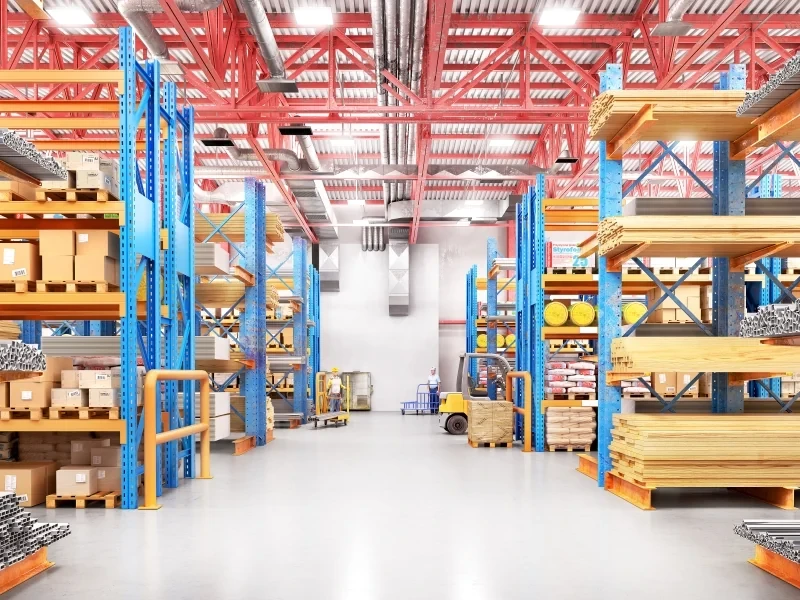
It is not always enough just to prevent fouling of produced goods. Dust in warehouses can cause problems to product durability and quality. Diesel forklift trucks produce exhaust gases, which must be addressed especially in the food industry. Rubber tyres grind against concrete floors all day, producing fine concrete dust in the air. Also, when the warehouse doors are open for loading, impurities from the outside mix with indoor air, and even find their way inside the boxes in storage. The importance of clean indoor air is something we do not often think about.
Perhaps we should though, as considerable savings can be made through clean indoor air. For example, if intensive cleaning of indoor air helps processed food keep edible for one more day, an efficient air purification system will quickly pay itself back.

How to improve your employer image and make industrial work sites more attractive
Employees are the most important promoters of employee image – let them speak for the company.
Working conditions significantly affect the company’s image and its attractiveness as a workplace
Over recent decades, employees have become much more aware of how working conditions affect their health. They are unwilling to sacrifice their health and choose a workplace with appropriate working conditions that have no negative long-term effects on health.
Company values are at the core of employer image, and integrity is the key to successful communication. If the communicated story is fabricated or false, the created image is on a crash course with reality. Employees are the most important promoters of employee image – let them speak for the company.
To support a positive employer image, it is important that working conditions help to maintain employees’ ability to work. This is especially true on industrial work sites. This helps to attract motivated employees and especially young people who have just finished training for the field. Employees who work in manufacture and assembly are often exposed to harmful fine particles welding, assembly and several other process steps release into the indoor air of the workplace. Particles with a diameter of a few micrometres and even smaller nanosized particles penetrate the circulation from the alveoli and expose employees to serious illnesses. For example, welding fumes often contain several irritants that can cause respiratory diseases and increase the risk of cancer. Welding stainless steel releases hexavalent chromium, a known carcinogen.
Employer image has become an important competitive advantage
Positive employer image attracts the most competent employees. The law of supply and demand prevails in the labour market, and an attractive employer brand increases demand. In certain fields, there is strong competition for competent professionals, and the company brand can be the deciding factor in finding the right employee. You should be aware of employer image and include its promotion in the company strategy, because it is part of the company’s brand value – which translates into real money.
Employer image promotes loyalty and reduces employee turnover.
A company is built by people. No company is digitised to a degree where its employees are not responsible for each finished product. Company identity therefore covers people in addition to products and services, and each employee is a brand ambassador.
A positive employer image also brings other benefits. Employer image promotes loyalty and reduces employee turnover. The labour market is fragmented, organisations face the constant risk of losing their best experts, and the training of new employees requires both time and money. Employer image can also reduce the risk of unsuccessful recruitment. When a company’s values and culture are also known outside the company, it is more likely that the desired target group will find job advertisements.
A healthy work environment is an excellent investment
Appropriate and efficient cleaning of indoor air reduces the risk of spreading fine particles and significantly improves both job satisfaction and productivity. Clean indoor air also promotes the operational reliability of production equipment and product quality. Clean indoor air is therefore one of the most important benefits a company can offer to its employees, and it also improves the employer image.

Dairy production and the elimination of air impurities
Processes vulnerable to risks are protected by ensuring that the air in the processing facilities has been treated by using air filtration equipment that meets the strict requirements for air filters in the food industry. The equipment must be tested and certified, which reduces the risk of food contamination, as well as ensuring that the statutory requirements are met.
Impact of indoor air quality on the preservability of dairy products
Contaminants, such as various types of yeast and mould that spread through the air, significantly compromise the preservability of milk, milk powder, cheese, yogurt, ice cream, butter and other dairy products. The cleanliness of processing is particularly important in the production of infant formula, as newborn babies’ bodies are highly sensitive.
The size of the contaminants and particles to be removed from the air makes air purification difficult. The average size of particles is around 0.6 micrometres. Clean production equipment alone is not enough, because air conditioning also brings contaminated air into the production facilities. This contaminated air contains a large amount of microbes, which may come into contact with the food products that are being processed. Therefore, all of the components used in the process must meet the product safety requirements, in addition to being easy to clean.
Sources of contaminants in dairy production
- E. coli
- Bacteria
- Volatile organic compounds (VOC)
- Product ingredients that may cause cross-contamination
- Microbes carried by people
Protection for food products and employees through air filtration
In food production, the regulations and requirements concerning dairy products and their safety are extremely strict. Air quality, circulation speed, temperature and humidity levels must be monitored closely in clean rooms and filling facilities to eliminate the risk of contamination.
Quality must never be compromised in dairy production. Effective high-quality filters must be used during all work phases: in fluidised bed drying, ripening, slicing, packaging and aseptic packaging.
Appropriate air filtration prevents food product contamination and recalls, in addition to ensuring that consumers’ health is not jeopardised. Equipment that has not been tested or certified may cause losses to companies, in terms of both money and reputation. In other words, companies must not cut corners on buying equipment.
Air quality solutions for the needs of the dairy industry
Public environments
Facilities not used for production, such as office and dispatch facilities, may be equipped with devices that meet the requirements of the EN 16798 standard.* These protect the users of the facilities.
Critical areas
In environments that are highly sensitive to contaminants, the equipment must be protected from contamination before the products to be processed are brought into the facility. This means high volume and pressure in terms of air flow. Such environments include drying rooms and processing and packaging facilities for ready-to-use food products, cream, condensed milk, yogurt, cheese and frozen desserts.
Sensitive environments
Storage facilities for ingredients must be kept clean, and the ingredients must be protected from contamination. Such environments include milk reception and packaging facilities, as well as facilities for processing raw ingredients.
Hygienic environments
In high-hygiene facilities for the final processing and packaging of products, the air quality needs to be as high as possible. These include facilities for the aseptic packaging of milk powder and facilities used for similar operations.
Source: *https://standards.cen.eu

Solution for the purification of unhealthy indoor air in welding facilities
The following substances are typically found in welding smoke:
- Iron oxides – oxides from additives and various steel grades, e.g. manganese, chrome, nickel, calcium, copper, potassium, barium
- Fluorides – oxides from painted structures or structures with other surface treatments, e.g. zinc, lead, chrome
- Shielding gas as an impurity: argon, carbon dioxide, helium
- Gases generated near the electric arc: carbon monoxide, nitrogen oxides, ozone
Welders have a 20–40% higher risk of lung cancer than office workers, for example. Among welders, the risk of asthma is double in comparison with office workers. When assessing the permanent health risks related to welding, the employee’s specific risk of illness must be considered, including atopy and particularly smoking, which further increases a welder’s risk of lung cancer, as well as making their pulmonary functions significantly weaker when combined with the qualities of welding smoke that irritate the respiratory tract.
The International Agency for Research on Cancer (IARC) recently examined scientific evidence and came to the conclusion that exposure to steel welding fumes, even mild ones, may cause lung cancer and even kidney cancer. Other respiratory tract diseases caused by welding fumes include metal fume fever, which may be caused by welding galvanized steel, for example.
The employer’s responsibility for a healthy work environment
According to labour legislation, the employer is responsible for providing a safe and healthy workplace. To ensure this, the employer needs to be aware of the harmful effects and risks in the workplace and their management. The employer has an obligation to monitor the work environment, identify and assess work-related risks and implement the necessary corrective measures, as well as monitoring the effects of such measures on safety and health at the workplace.
The solution: local exhaust ventilation or air purifier
Local exhaust ventilation is used to remove dust, smoke, chemicals, odor, welding gas or other air impurities from a work area. Unless impurities are managed where they arise, they will spread around the work facilities.
In local exhaust ventilation, the challenge is the energy wasted through the exhaust fans: they blow warm air from the facility into the outside air. This causes major energy losses in the winter in particular, meaning that there is a need to improve heat recovery.
When selecting an air purifier, the quality of the impurities in the facility should be identified first, as purifiers are optimized for different types of particles, gaseous substances or oil mist. Many purifiers also take into account the layering of impurities in the indoor air in the facilities: purifiers take in air at a height of 2.5 metres and higher and blow out purified air from the bottom part of the device at the exact level where employees are working. This reduces the need for cool replacement air, as the impure air is not blown out of the facilities. This also reduces energy costs.
What kind of impurities can be found from our indoor air?
Some of these emissions are a normal part of indoor air climate and do not cause problems, but some pose a health risk and can cause discomfort to the people using the building. Before deciding what measures to take to solve the problems, it is important to have an understanding of what undesirable pollutants are present in indoor air through sampling and analysis.
Emissions from chemical compounds in building materials
Emissions from human activities include side products of metabolism, such as carbon dioxide and certain ketones and hydrocarbons. Humans also spread viruses and bacteria. Examples of activities that negatively affect indoor air include smoking, cooking and even various types of handicrafts.
A common source of unwanted emissions are chemical compounds used in building materials to improve their technical properties, for example in particle boards, fillers, adhesives, solvents and paints. Particularly new materials can emit large amounts of pollutants into indoor air for several months after a building has been renovated or completed. Improperly manufactured, stored or installed materials can also cause problems.
The risks of moisture damage
Moisture can cause a variety of reactions and also destroy or adversely affect the original properties of the building materials. For example, 2-ethylhexanol is a common harmful VOC compound that can be formed when plasticisers in plastics and rubber decompose under the influence of moisture. In old buildings, creosote has been widely used as a moisture insulator in the impregnation of timber. When renovating such a building, care must be taken to ensure that the carcinogenic PAHs (e.g. naphthalene, anthracene, pyrene and phenanthrene) in creosote are not released into the indoor air. Other compounds of concern that can be released into indoor air from damaged building materials include TXIB (a process solvent found in PVC carpets), styrene (a liquid aromatic compound used in the manufacture of plastics and rubber), hexanal (an alkyl aldehyde) and formaldehyde.
Microbes can cause serious problems
Humidity and inadequate air circulation are common in places where microbes are detected in structures and on the surfaces of various building materials. Microbes can release spores, volatile organic compounds and toxins into indoor air, which can cause serious problems. Actinobacteria and Aspergillus fungi are examples of microbial findings indicative of typical moisture damage.
Asbestos has been widely used in building materials and as an insulator because of its good thermal insulation and fire safety. In Finland, the use of asbestos has been banned since 1994 because the compound can cause asbestosis and lung cancer. For this reason, when deconstructing structures, it must be ensured that asbestos does not escape into indoor air. In addition to asbestos, mineral wool fibres can also cause problems. These fibres can enter indoor air from building insulation materials through air leaks and dirty ventilation ducts. Other solid particles that can cause problems with indoor air are very small nanoparticles that can contain phthalates (plasticisers in polymers), flame retardants and heavy metals, among others.
Outdoor air pollution
Outdoor air pollutants can enter buildings through ventilation systems and structural leaks in building structures. Typical outdoor pollutants are emissions from transport and industry such as carbon monoxide, hydrocarbons, particulate matter and oxides of sulphur and nitrogen. Organic allergens such as pollen can also cause problems for allergy sufferers. Radon gas can be a major problem if the building is located in a radon-prone area. Long-term exposure to radon can lead to lung cancer. As radon is colourless, odourless and tasteless, measuring equipment is needed to detect its presence.
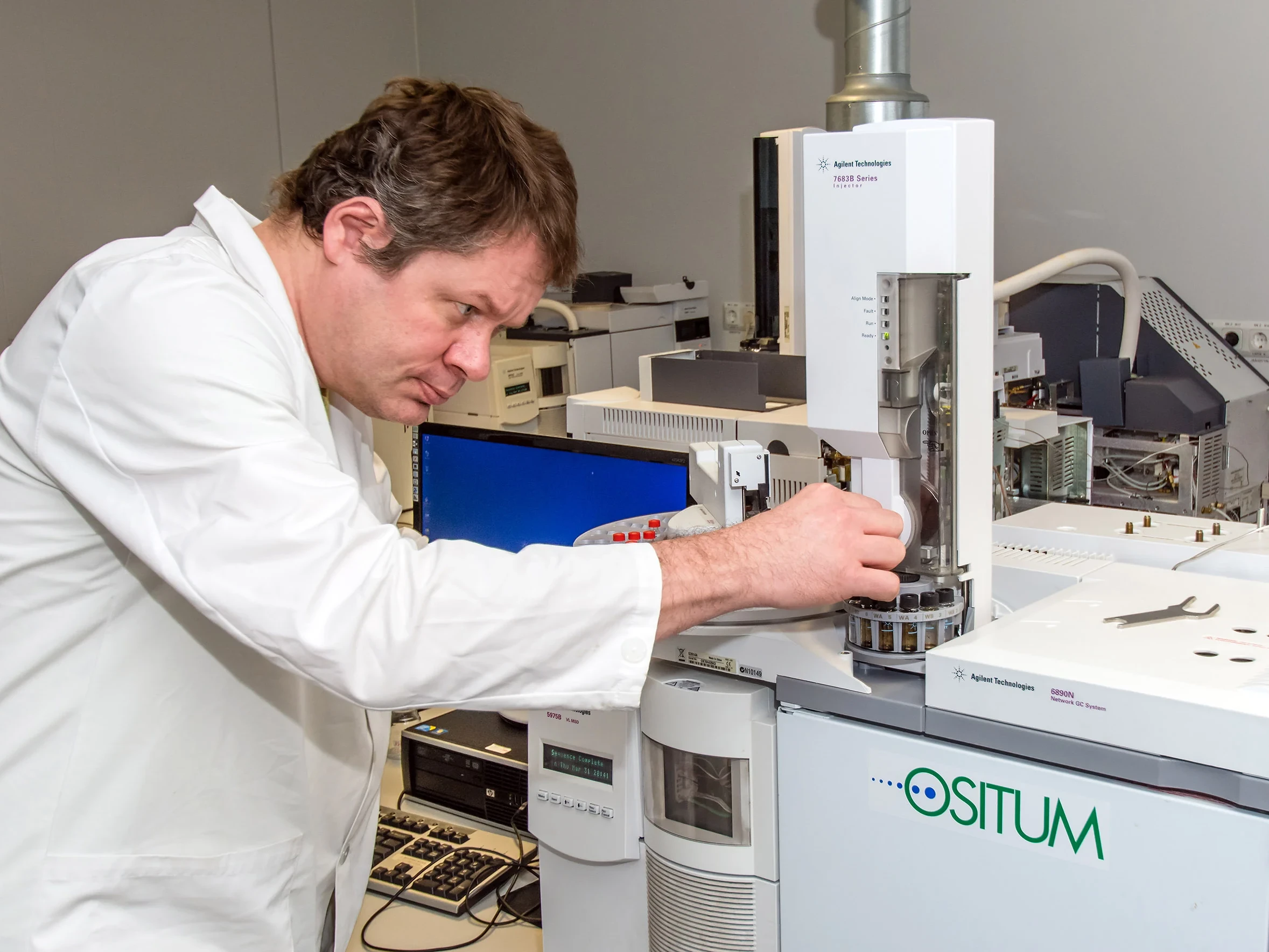
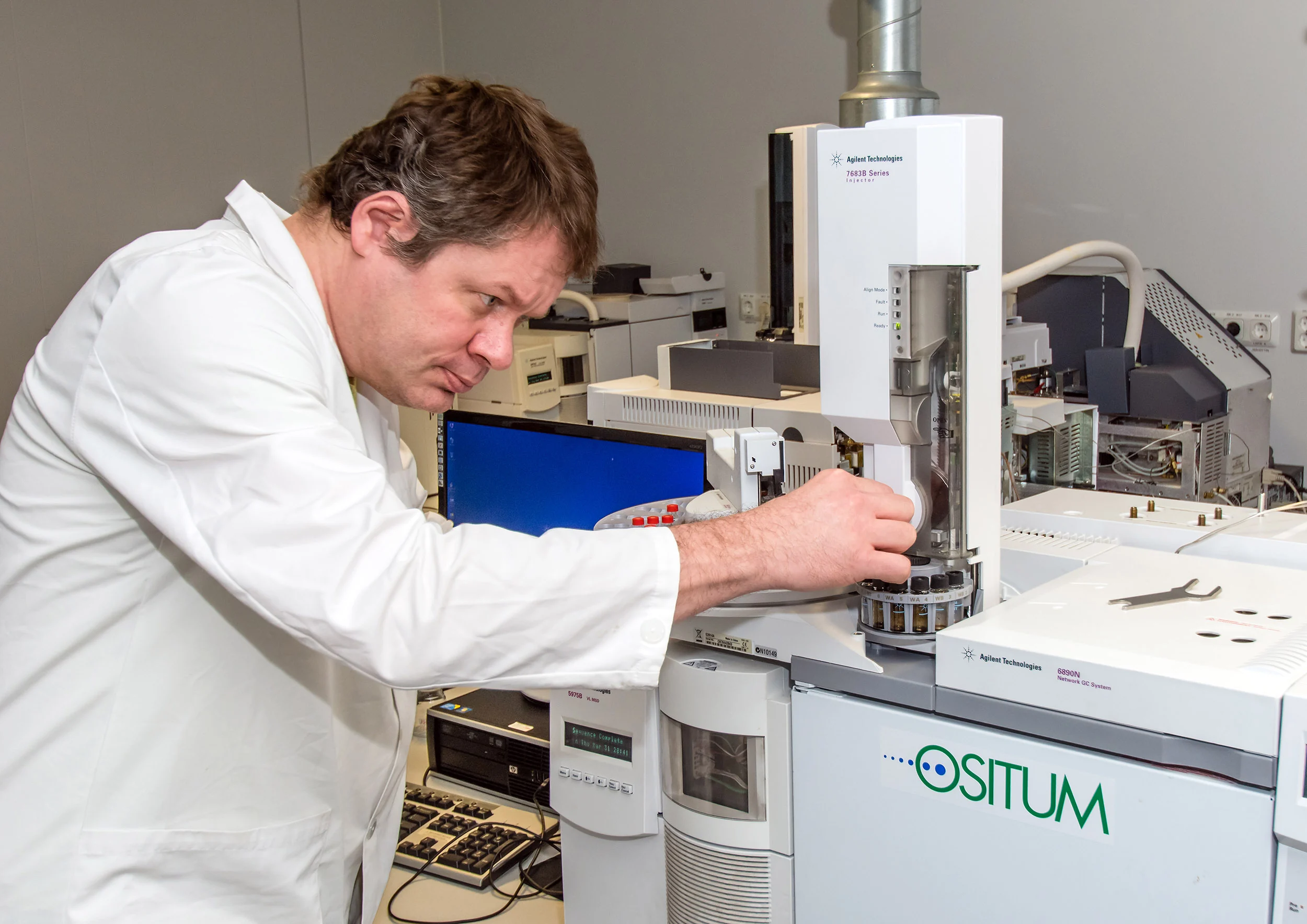
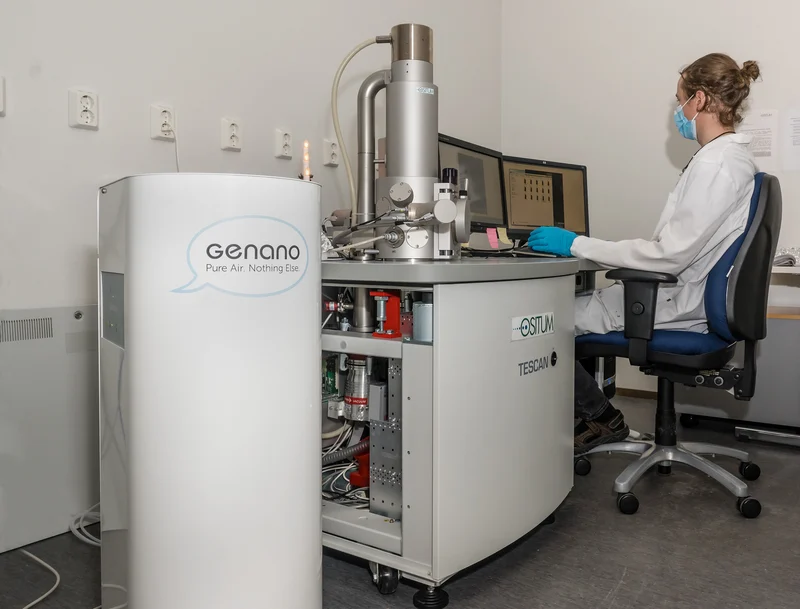
At Ositum Oy, we believe that indoor air problems are mainly caused by chemically volatile and highly volatile organic compounds, microbes and their metabolites and/or mineral wool fibres. The main causes are often material damage caused by moisture, incorrect material selection and/or poor air exchange. Effective tools are available to detect and analyse indoor air pollutants, as are effective solutions to remove them and improve air quality.
---
About Ositum Oy and Juhani Kronholm
Juhani Kronholm's work at Ositum Oy in Vantaa includes the use of environmental applications and techniques to determine indoor air quality (e.g. VVOC and VOC compounds), material emissions (FLEC analysis) and hazardous compounds (e.g. PAH, PCB, asbestos, metals). The main tools for the determination of these compounds are SEM-EDX, TD-GC-MS, GC-MS and MP-AES techniques. Juhani Kronholm and other experts in Ositum Oy are also responsible for further development of various techniques and analytical tools. Ositum Oy has been involved in more than 30,000 projects related to indoor environmental issues over 20 years. The company has built a unique database application for reporting analysis results on VOC and VVOC emissions, among other things. The database contains around 600,000 records that facilitate the interpretation of the analyses performed.
Saving in filter costs while ensuring purity in PCR production
- Finnzymes, part of Thermo Fisher Scientific, has a long experience and extensive know-how in PCR and qPCR technology
- Finnzymes has laboratories for DNA research, analytics, diagnostics and for the production of DNA and protein molecules.
- Sensitive processes require high standards of hygienic air level
Challenge
"Finnzymes has laboratories for DNA research, analytics, diagnostics and for the production of DNA and protein molecules. Part of the company’s strategy is to ensure the purity of its products and that no contamination can be allowed to be present. The analytical methods it uses are extremely sensitive such that small amounts of DNA molecules can be detected”, describes Senior Production Scientist Jukka Majaharju.
Solution
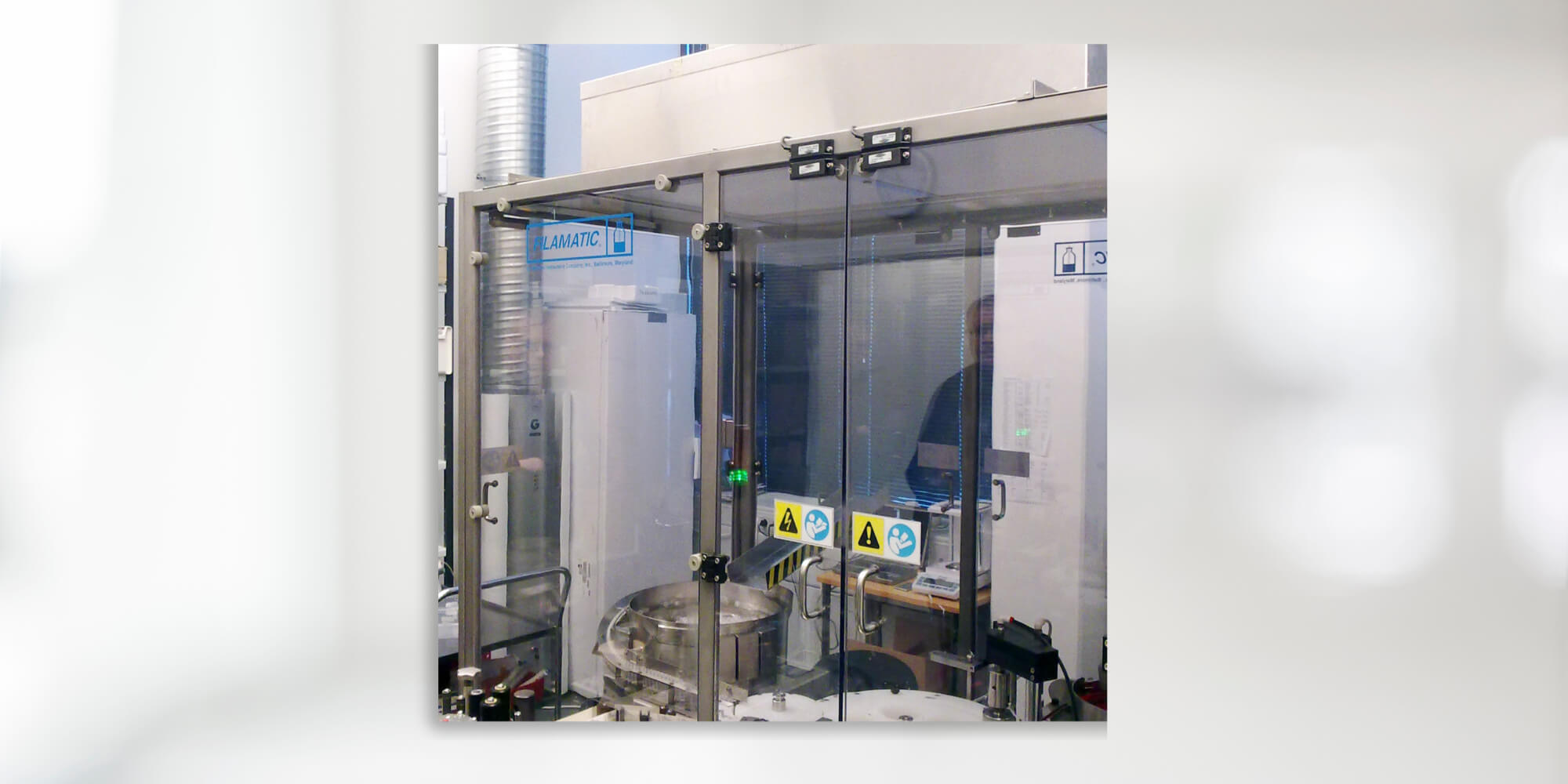
The aim of using Genano air purifiers was to prevent airborne particles from spreading in the premises. Genano air purifiers were placed in the working rooms that had the greatest influence on the purity of the products.
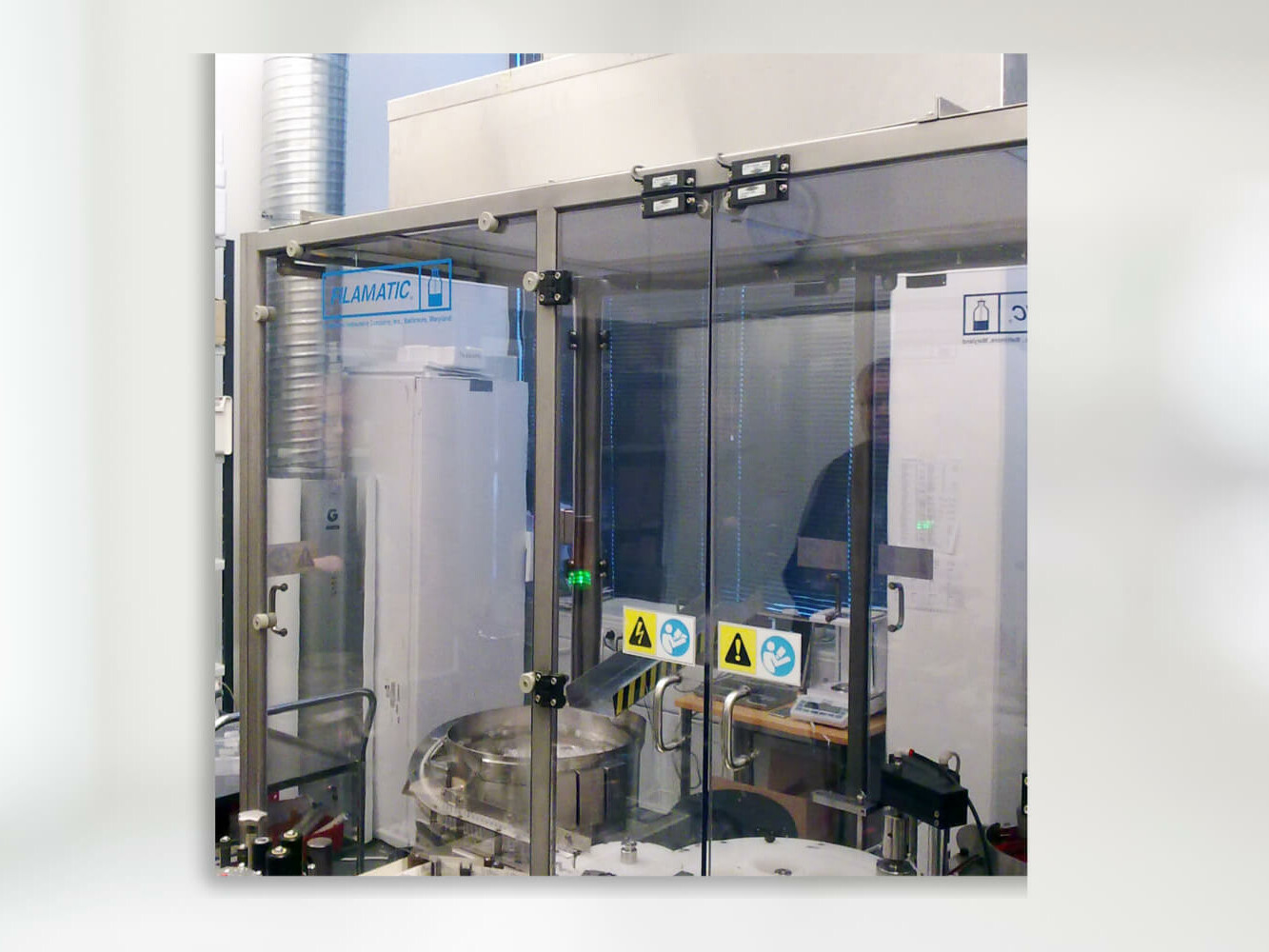
In these rooms, the final products are dispensed, liquids and buffers are prepared and other laboratory work is performed. A particularly sensitive working phase is the dispensing of products into vials. This phase is performed by an automatic dispensing machine which typically dispenses 0.01–2 ml of products into open vials, and then caps and labels them. The dispensing machine was connected to a Genano air purifier to ensure a particle free atmosphere for open vials.
Result
“By using Genano air purifiers, Finnzymes has succeeded in minimizing the risks of contamination in our products, cross contamination from
room to room and helped in its DNA analytics by reducing false positive results”, summarizes Majaharju.
In addition, the need for expensive HEPA filter changes in the dispensing machine air income was reduced to less than one change per year.
Exeeding expectations in Mannheim Universitätsklinikum
Challenge
The clinical Radiopharmacy department of the Clinical Radiology and Nuclear Medicine Institute of the university clinic Mannheim needed to reduce the number of particles in the production process.
The institute wanted to follow Good Manufacturing Practice (GMP) guidelines for radiopharmaceuticals according to the German and international guidelines to improve air quality in a special manufacturing sector.
The amount of particles in the size range between 0,5μm and 5,0 μm is relevant for the GMP-section.
Solution
The head of of Radiopharmacy department Prof. Dr. Björn Wängler decided to install a Genano 5250 device in the laboratory.
In using the Genano air decontamination device 5250 a significant lower deviation of the GMP limits was achieved.
“We achieved much better results than we had to achieve following GMP.” – Prof. Björn Wängler
Result
After running a detailed test pattern the customer was extremely satisfied with the results.
ISO class 7 was achieved with < 350.000 particles 0,5 μm/ m3 in the specific test room. This result was even better than the requirements of the provincial health office. The mobile air decontamination unit was also easy to take into other departments to improve the Indoor Air Quality wherever needed.
Eliminating PCR amplicons, bacteria and viruses in a Mobidiag molecular diagnostics laboratory
- Developing and manufacturing molecular diagnostics platforms and test kits for detecting human pathogens.
- Specializing in Antimicrobial Resistance Management and Hospital Associated Infections (HAIs), by reliable, cost-effective molecular diagnostic solutions for detecting Gastrointestinal Infections including most clinically relevant bacteria, parasites, viruses and antibiotic resistances.
- Established in 2000
- Finnish-based multi-national company with Headquarters in Finland, offices in France, Sweden and UK.
- Worldwide distribution network.
CHALLENGE
The products for detecting human pathogens, utilize PCR technology, where target DNA segments are amplified, generating thousands to millions of copies of a particular DNA sequence. Due to this, the purity of the laboratory environment is extremely important.
”The challenge in air decontamination is not only the traditional particle purification, but for us the most critical part is the purification of the amplification product that we are making ourselves in the laboratory”, describes CEO Tuomas Tenkanen. “A contamination of our samples or products with amplification products could cause wrong positive results in our diagnostics tests. The PCR amplification products (amplicons) are very difficult targets for air purification, since their size is small. The size of these is from 100 to 500 base pairs which equals 30–200 nanometers. Traditional HEPA filters have insufficient capability to filter those amplicons”, he adds.
The aim is to have the air purified in both R&D and production laboratories, where the assay contamination is minimized. The most important target for purification is to eliminate PCR amplicons, bacteria and viruses.
SOLUTION
In order to achieve the targets described above, which could be considered as risks, Genano Air Decontamination Units were placed in the working rooms that have the greatest influence on the purity of the products or have a risk of cross contamination between laboratory rooms, carried by airborne particles.
Different air purification solutions with a positive pressure kit were installed to laboratory premises depending what was the desired cleanliness level. In part of the rooms the supply air passes through Genano Air Decontamination Units before it enters the room.
In addition to decontaminated supply air, Genano's movable stand-alone units are used to circulate and purify the air in critical areas within the premises.
Ventilation was adjusted to achieve the optimal pressure differentials between laboratory rooms, in order to prevent airborne particles and contaminants to transfer towards clean areas.
RESULTS
The airborne particle measurements are being conducted regularly in the laboratory, according to ISO 14464-1.
- The laboratory has clean areas where the particle count is ISO 6 compliant
- The air in these laboratories is almost 100 % cleaner compared to the central area (sampling of 0.3 μm particles with 10 sampling locations).
Genano Air Decontamination Solution ensures constantly high-quality standards, eliminating the risk of defective products, which is of utmost importance for this type of business. Reliability is the core in molecular diagnostics solutions, and Genano devices with a capability to eliminate airborne microbes is a feasible solution.
Clients expect to have 100% reliable and safe molecular diagnostics platforms and test kits, and therefore failure in this matter damages company’s reputation on the market.
“We are regularly audited against ISO 9001 and ISO 13485 standards. Our quality management systems ensure that we adhere to the highest quality principles and procedures to develop and deliver safe, high-quality products to our customers, therefore Genano system is a perfect solution for our needs, as it does not only purify the amplicons, but it also destroys them”, summarizes Mr. Tenkanen.
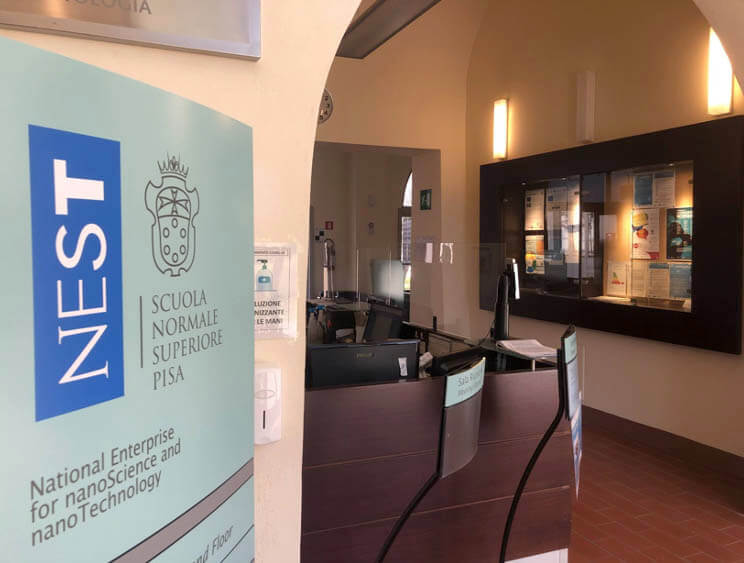
Air decontamination in NEST research laboratories - protecting operating personnel and preventing contamination of analyzed samples
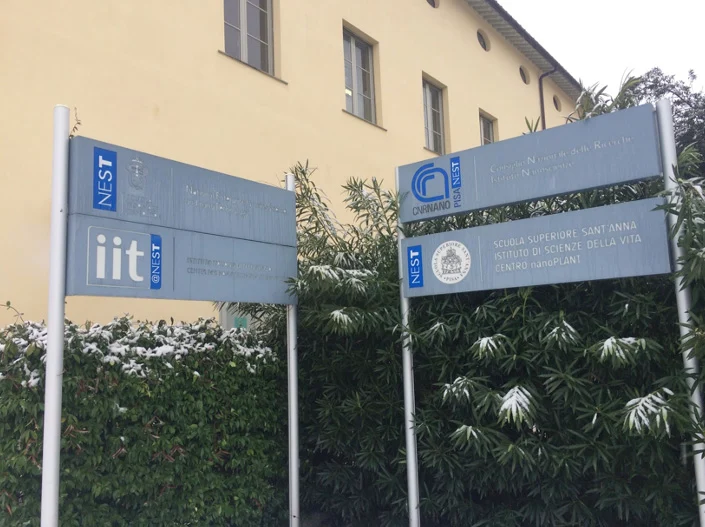
- Name: NEST Laboratory - Scuola Normale Superiore
- Location: Piazza San Silvestro 12, 56127 Pisa (Italy)
- About 200 employees, students and collaborators
- University scientific laboratories operating in the field of nanoscience and nanotechnology
Why is air purification needed at NEST laboratories?
In the research laboratories, most of the rooms are equipped with air exchange systems, with a flow rate of 5-6 air changes per hour. Sometimes it is advisable to increase the level of traditional air filtering systems (Hepa or Ulpa) with additional high efficiency air decontamination devices.
Example cases:
- High anthropic presence
- Particular processes with peaks of activity that create problems for the internal microclimate
- Poor air exchange
- Possible generation of particulate matter
- For the purpose of a posteriori study of environmental contamination (trap)
Dr. Pasqualantonio Pingue, Director of Operations at the Laboratory, lists other situations in which an extremely high level of air purification is required:
"Cases that are related to molecular biology, "in vivo" experiments and cell cultures is where we tend to protect the operating person and try to keep the level of possible contamination under control of the analyzed samples".
The outcome of efficiency tests carried out on filterless air decontamination technology
At the beginning of 2020, the NEST University Laboratory in Pisa and Genano Italy started carrying out tests on a Genano professional air decontamination unit. A possible publication of the case study on CBE maintenance is also being evaluated.
After obtaining the desired results, NEST deemed it useful to use the air decontamination device during the cleaning processes of the vacuum chamber of a Chemical Beam Epitaxy (CBE) type growth system, demonstrating that the unit is able to capture micro and nano powders that are generated in the environment during the maintenance processes of the vacuum chamber.
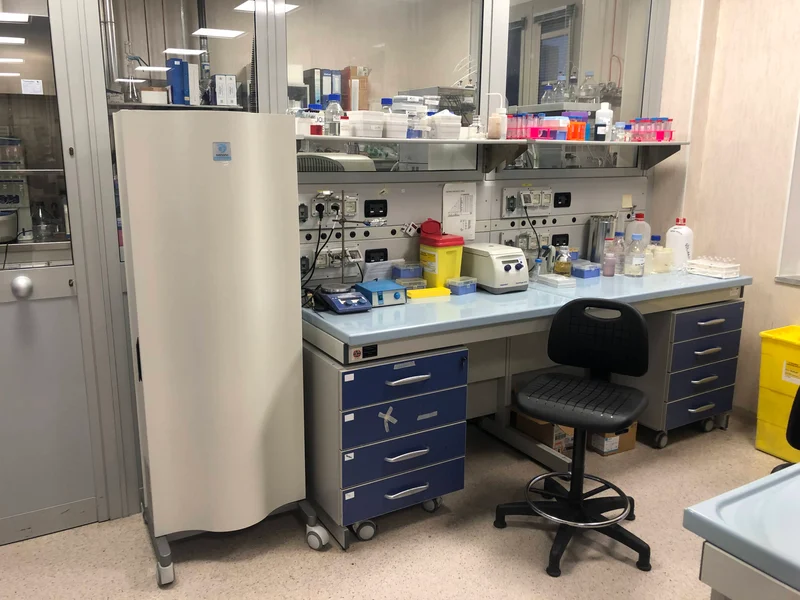
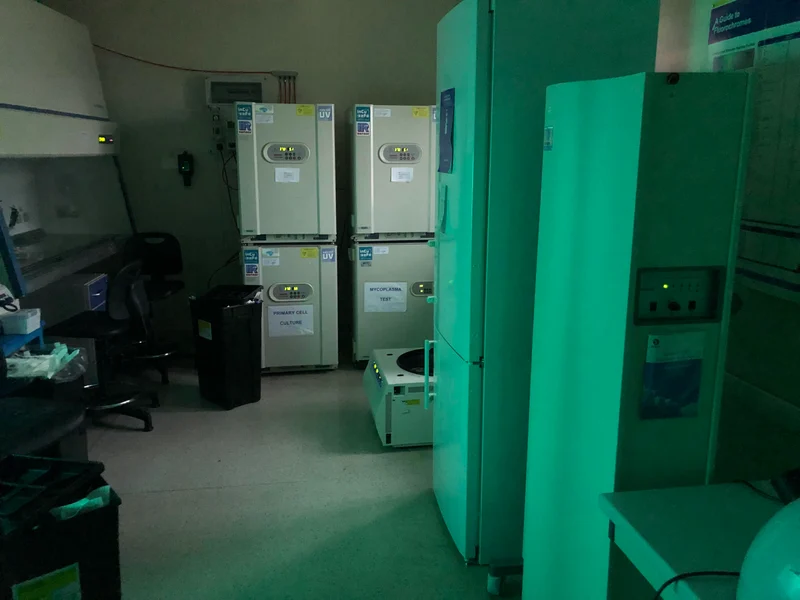
The following laboratories are equipped with four Genano units, including one with a kit to create negative pressure:
- Molecular biology
- Cell cultures
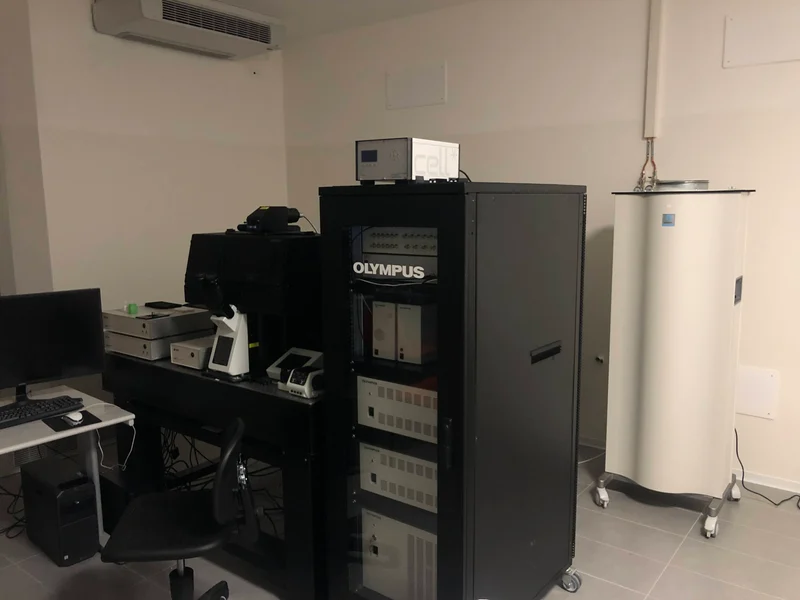
- In vivo microscopy
- Microscopy in a BSL2 environment
To ensure greater control of air quality, some laboratories were equipped with Airwits Genano sensors for PM1, VOC and CO2 particle counts.
Extra benefits Genano air decontamination brings for the laboratories
On top of capturing even the nano sized particles and safeguarding the health of operating personell, Dr. Pingue comments the benefits of using Genano unit:
"The researchers were able to verify the type of substances captured by the unit through analyzing the residue from the collection tray inside the air decontamination unit."
Also high-efficiency active carbon ensures the elimination of solvent odors and volatile organic compounds (VOCs) for the benefit of staff health.
The future of air purification collaboration
In the coming years, NEST's intention is to continue with the air purification project thanks to ministerial funding received for sanitation activities, closely linked to the COVID-19 emergency.
Dr. Pingue highlighted some important benefits of installing the Genano systems:
"On the one hand, we have been able to test by means of particulate "capture" and its subsequent ICP-MS analysis, the specifics of contamination of the working environment. On the other hand we have verified how users have declared an improvement in working conditions in terms of perceived odors".
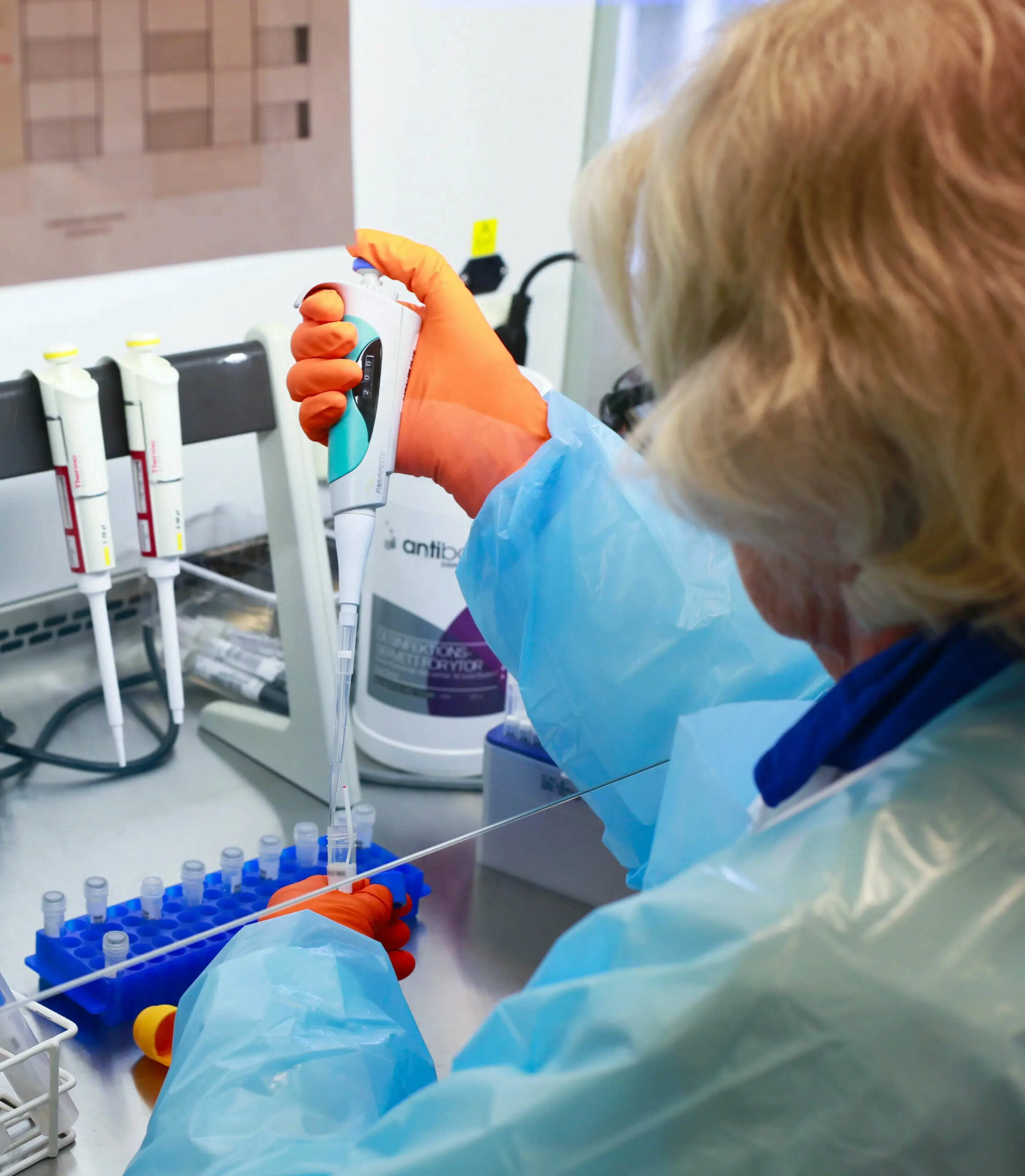
Sundsvall Hospital Laboratory wanted ultra clean air without needing to worry about microbial growth in filters
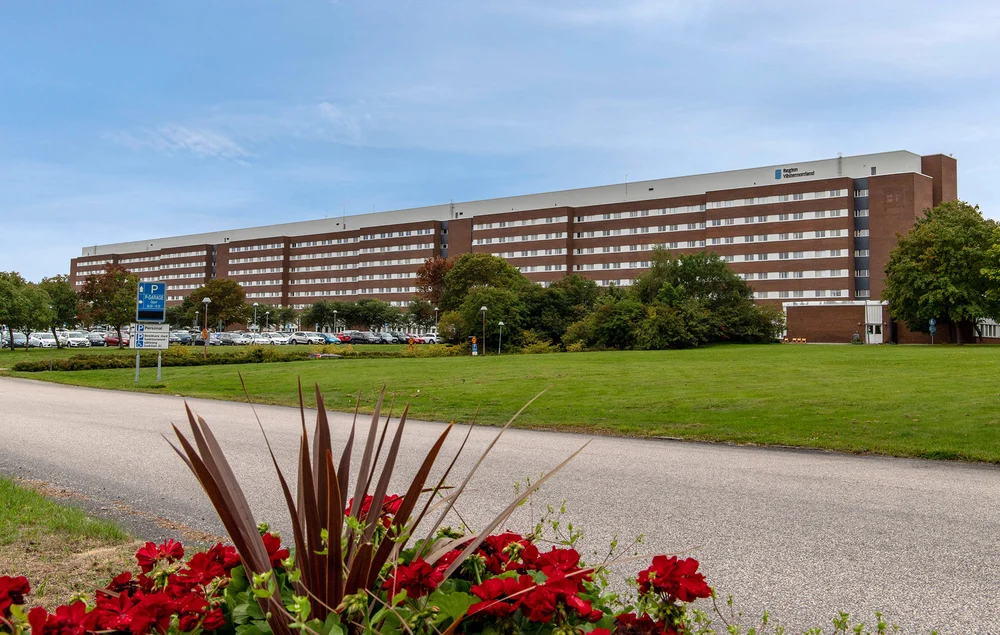
Sundsvall hospital laboratory:
- Activities in clinical microbiology, clinical chemistry and transfusion medicine
- Located in Sweden, part of Västernorrland hospital district, which carries out more than 4 million analyses per year
- The demands on a PCR laboratory are high and the activities have been accredited and quality assured since 1996 according to Swedac SS -EN ISO 15189 (Medical laboratories)
Quality assurance is of utmost importance in laboratories and Genano's air purifiers are an example of high quality tools that can be used to meet the requirements. For more than 15 years, Genano has kept the air clean even from ultrafine particles in critical areas in Sundsvall Hospital Laboratory.
Importance of avoiding contamination
Fred Frölander started working as a microbiologist at the Sundsvall Hospital Laboratory in 1977. Twenty-five years later he started promoting the investment in additional air purification. After that two Genano laboratory air decontamination units were purchased. They also launched an initiative based on GMP (Good Manufacturing Practices) and GLP (Good Laboratory Practices). Fred Frölander can tell how air purification became a priority.
“In a process of merging two laboratories, it was important to meet the needs of clean air in different operations. We knew that there were contaminants in the indoor air and we also knew that there was a risk that staff would carry contaminants with them when they moved around the premises.
Eliminating the risk of contamination of samples was particularly important in specific parts of the laboratory and this made air purification a high priority. We had filtration in the ventilation system, but we wanted to supplement it with a mobile air purifier that could effectively remove contaminants and keep bacteria at bay," says Fred Frölander.

Test showed no particles in the air
Frölander was persistent in convincing hospital management that mobile air purification was needed in the high-risk laboratory where a lot of PCR analysis was performed. After analyzing the range of air purifiers on the market he chose Genano.
The compact and mobile Genano air decontamination unit is suitable for healthcare and laboratory environments due to its ability to remove and eliminate nano-sized particles. This means that the air purifier eliminates contaminants that staff may bring into the premises and also microbes such as viruses, bacteria and mold.
Frölander recalls a test that was carried out using a particle counter after the installation of the air purifier.
“We were impressed. The test showed that there were no contaminants or particles whatsoever in the parts of the laboratory most susceptible to contamination. We realized then that we had reached our goal of having ultra-clean air in the laboratory.”
Air purifiers with HEPA filters were never an option
Frölander explains that air purifiers with HEPA filters were never an option. This was for several reasons. One was that they didn't want to expose themselves to the risk of bacterial growth in the filter. With Genano they don’t have to deal with contaminated filter waste since their air purifier washes itself.
“We were worried at the instructions of handling HEPA filters as toxic waste. With Genano's air purifiers we did not have to think about the microbial growth in filters, because they kill bacteria and viruses, which was an important advantage. Another advantage is that unlike air purifiers with HEPA filters, Genano air purifiers can remove nano-sized particles.”
The Genano air purifier continues to deliver ultra-clean air as efficiently today as it did 15 years ago. Since then, the hospital has purchased several Genano air purifiers. They are used partly in clean rooms for substrate production and partly in a sampling unit.
“The need for ultra pure air exists in many areas in the hospital and probably the acquisition of the other air purifiers was inspired by the laboratory’s good experience with Genano," Fred Frölander concludes with a smile.

Increased success rate of in-vitro fertilisation with Genano air purifiers
- Two in vitro fertilization clinics in Cyprus
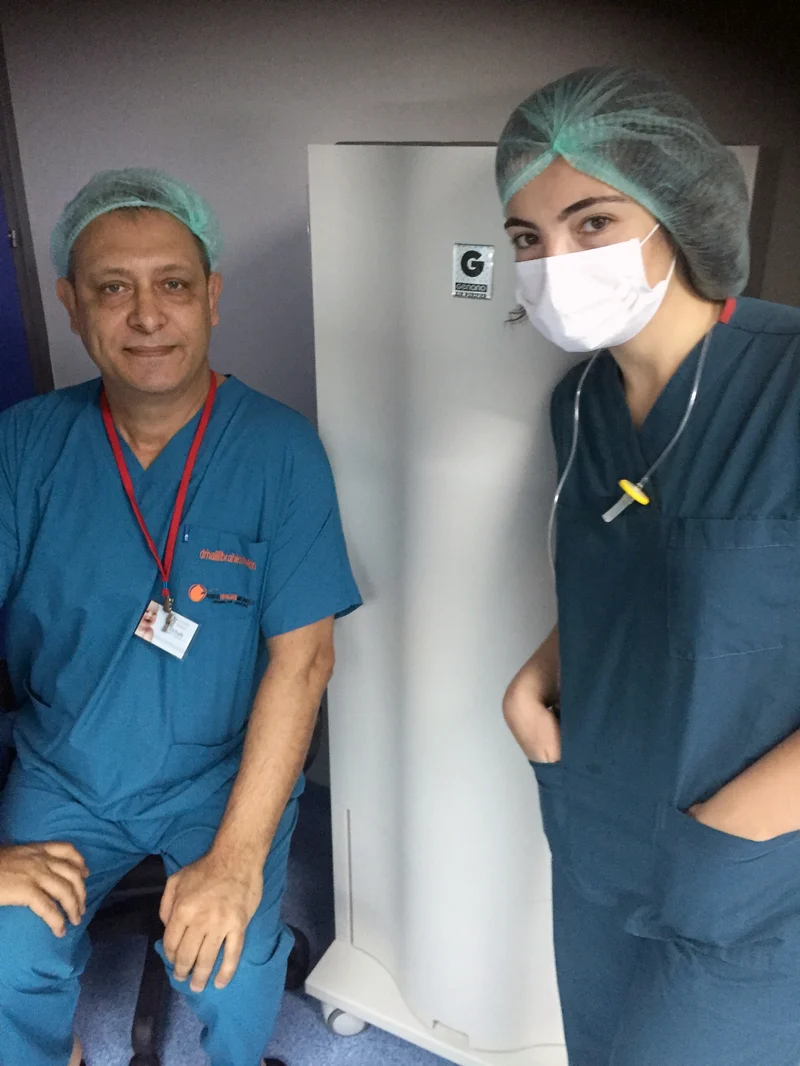
- Team of over 50 employees under the head doctor and owner Dr. Halil Tekin
- Over 25 years in the field.
- Performs all forms of IVF with specialization in egg donation, PGD/PGS/gender selection and surrogacy
- www.cypruscrownivf.com
In the field of IVF air quality is of utmost importance
A considerable part of success in in vitro fertilisation (IVF) is determined by environmental factors related to the laboratory environment where the fertilisation and treatment procedures are carried out. In addition to optimal environment, factors such as maternal age and cause of infertility are important for ensuring a successful pregnancy. An optimal environment is crucial for ensuring high quality embryos with good viability.
“We are working with live cells which will be grown into full human life. Any contamination may affect the oocytes or embryos down to DNA level before we have implanted the cells to the mother”, describes owner and head doctor of the Crown IVF Cyprus Centre, Dr. Halil Tekin.
Recent research has shown that the laboratory air quality can have a drastic effect on the IVF outcome. Volatile organic compounds (VOCs), microbes and particles are all known to have a negative effect on embryonic development. Contaminants can enter the laboratory from various sources including supply air, personnel and equipment. Once they interact with samples, tissues or anything in contact with the cells, the damage is done.
Nanosized ultrafine particles, which cannot be eliminated with HEPA filters, are dangerous as they can attach to and penetrate the cells and interfere with development processes.
VOCs are especially harmful to embryos
These small volatile organic compounds (e.g. styrenes, formaldehydes, glutealdehydes, toluene) can directly attach to DNA and terminate growth. Studies have established that even small amounts of VOCs in the ambient laboratory air can decrease pregnancy rates. In laboratories, VOCs can originate from equipment, disposables, construction materials and clothing.
Using Genano air purifiers to further purify HEPA-filtered air
Optimal air purification systems for IVF combine nanoscale particle removal and active carbon to eliminate all chemical and particulate contaminants.
Improved embryo viability due to air hygiene combined with positive pressure and sterility precautions can prevent contamination and thus improve the IVF success rate.
Dr. Tekin originally found Genano through web searches and research. “As a company, we always strive to stay modern and give our patients the best chance of success.”
5% success rate increase with Genano air purifier in the laboratory
Crown IVF made an empirical study comparing success rates with and without Genano in use. They discovered a 5% success rate increase with all other variables taken into account.
“Since using Genano air purifiers we have had a marked increase in our success rates in terms of first time pregnancy results and less miscarriages”, summarises Dr. Tekin.
Due to the successful results, Crown IVF decided to install more Genano air purifiers in their state-of-the-art premises. Over the years, Dr. Tekin and his team have helped over 22 000 families to reach their dream of having children.
“Going through fertility treatment can be a stressful process for people. We want to make it as easy and successful as possible. We want to turn their dreams into reality”, says Dr. Tekin.
“If I did not believe in the product then I would not endorse it”, says Dr. Tekin.
Fighting against MERS in Saudi Arabian central hospitals
- Damman Central Hospital
- Located in Dammam, Eastern Province of Saudi Arabia
- A Government hospital, under Ministry of Health KSA
- Number of beds: 451
Challenge
When the MERS epidemic struck Saudi Arabia, hospitals were not ready for the amount of patients that desperately needed isolation rooms. That was not the only challenge they were facing. In addition, existing isolation rooms which utilized HEPA filters were not functioning as expected. In Dammam Central Hospital, for example, the air pressure could not be kept stable in the rooms. The quality of air varied, so that the staff could not be certain of its safety and purity.
When the HEPA filters needed changing, the isolation rooms had to be evacuated. HEPA filters had even been found guilty of causing contaminations.
Solution
The objective was to prevent the epidemic from spreading. The hospital staff needed to be secured from airborne MERS-CoV viruses, that spread from infected person to others through respiratory secretions, such as coughing. Temporary isolation rooms were set up by installing Genano Air Decontamination Units with a negative pressure kit, to ensure constantly low air pressure. Several temporary isolation rooms were quickly assembled in hospitals in Dammam area, Jazzan and Al-Ahsa, in order to stop the airborne viruses from spreading, as Genano units eliminate all living microbes, such as MERS-CoV.
Result
With the help of Genano Aid Decontamination Units, Saudi Arabian hospitals and other healthcare facilities have been able to treat patients safely and without the risk of additional virus infections.
Genano helped build new isolation rooms rapidly and installed Air Decontamination Units to keep patients, visitors and health care professionals safe.
Dammam Central Hospital has reported that using Genano has been very successful.
As the devices use a different technology from HEPA filters, there is no risk of infection through the device itself.
- Air pressure in the isolation rooms has been stable, which it was not previously with HEPA filter purifiers.
- The isolation rooms could be used continuously, since there is no need for filter changes in the Genano air purifiers.
- The users are satisfied with the constant good quality of clean air and can now be certain that the air is safe.
- The isolation rooms were quickly assembled and ready to use as needed
Genano is also used in pathogen diagnostics facilities, PCR cleanrooms and isolation rooms of the Ministries of Agriculture and Health in Saudi Arabia.
Read more about the Genano Isolation Room Concept
Nanjing Southern New Town Medical Center
- Opened in December 2018.
- As an important livelihood project, the Southern New Town Medical Center in the central area of the Southern New Town of Nanjing. 2.9 billion RMB has been invested to build the hospital.
- Large-scale comprehensive hospital, which integrates medical treatment, teaching, scientific research, rehabilitation, health care and first aid, and can accommodate 1500 beds.
Challenge
The hospital management found it important for patient & staff safety, and for the image of new hospital to take care of the infection control and prevent the cross contaminations in the new hospital from the beginning, by taking care of air decontamination in critical areas.
Our solution
Genano offered G4500 Air Decontamination Units for Nanjing Southern New Town Medical Center, along with positive pressure, negative pressure and internal circulation purification and disinfection solutions for ICU, CCU, NICU, obstetric operating room, hemodialysis operating room, tumor sterile ward, infection ward, PCR and cell laboratory. The hospital purchased 28 Genano units, in order to be able to secure the ultraclean environment for the critical areas.
Result
With Genano’s tested technology, that is specifically developed for Air Decontamination in hospitals, laboratories, clinics and clean areas, a mobile and agile solution provides more efficient infection control to critical areas, where HEPA is not enough.
This mobile solution enables effective prevention of nosocomial infections where needed. It offers flexibility for protecting people by removing airborne contaminants at the source of contamination, and therefore plays an important role in the safety of staff and patients.
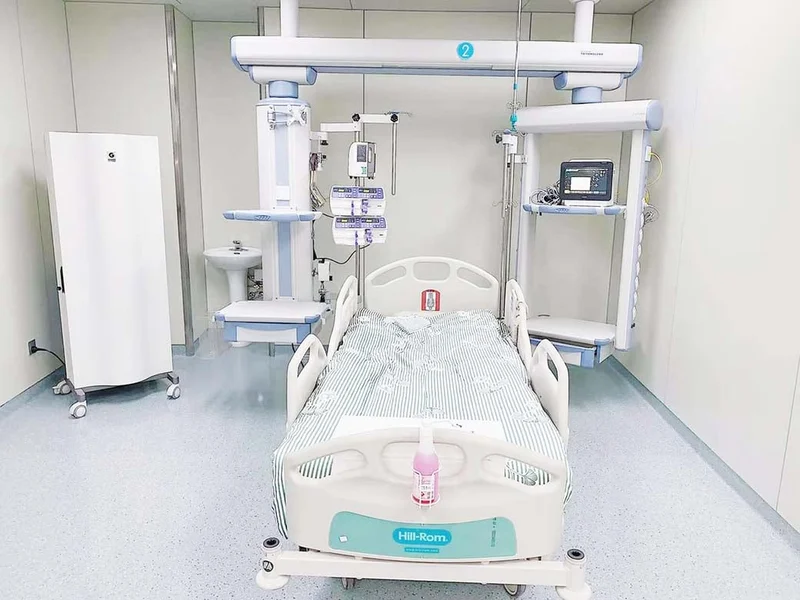
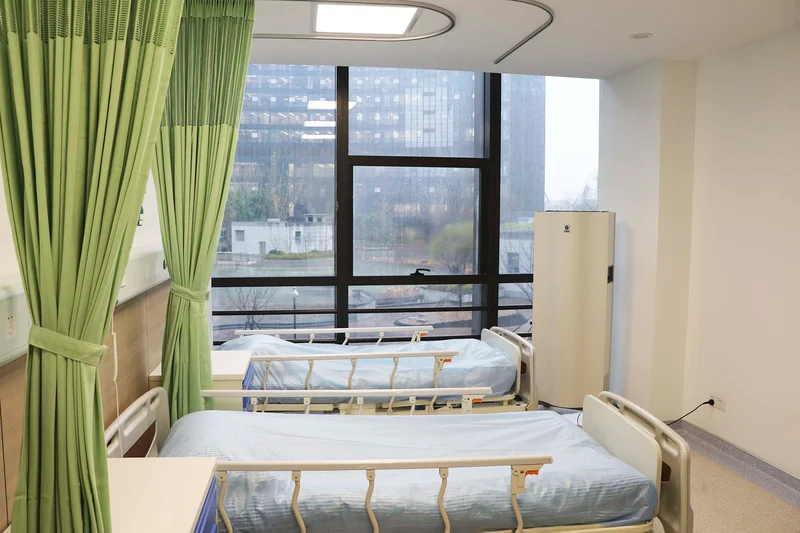
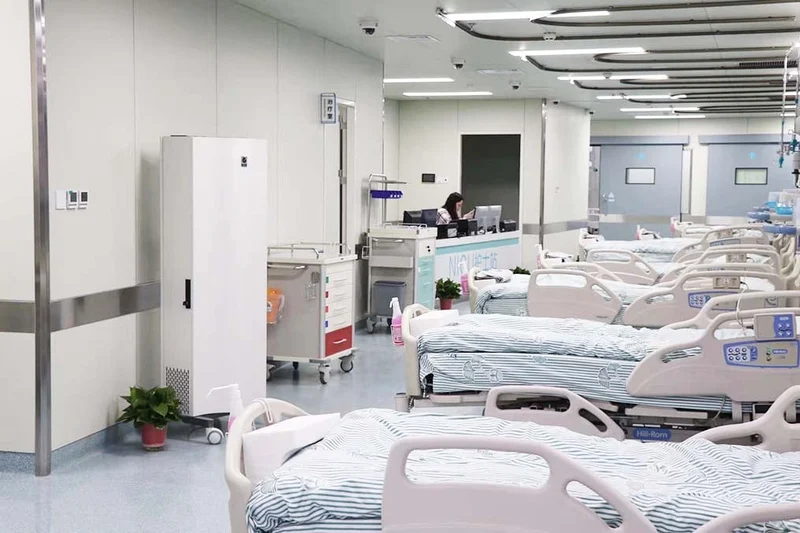

The Second Affiliated Hospital of Nanjing Medical University Department of Pediatrics
- Established in 1951
- Third-level first-class general hospital directly under the Jiangsu Provincial Health and Family Planning Commission
- Undertakes medical treatment, teaching, scientific research and public welfare
- The premises equal 90,000 square meters, fixed assets are 845 million RMB, including 526 million RMB of professional equipment; 1,520 actual open beds, 45 open wards and more than 2300 employees
- 200 specialist beds for 8000 patients annually
- More than 300 000 patients are treated in the outpatient and emergency departments in 2018
- Over 60 doctors
Challenge
Every winter, the pediatric department of the Second Affiliated Hospital of Nanjing Medical University treated a large number of children with fever and influenza. This kind of continuous full load or even overload operation also brings hidden dangers for diagnosis, treatment and infection control overall. Hundreds of children are treated every day, which produces a significant threat of pathogenic bacteria outburst, especially when small children are considered. Under unsatisfactory ventilation conditions, the pediatrics department, full of infected patients, is a source of nosocomial infections.
Solution
In this situation, the hospital leadership and the sensory control department met in an emergency meeting and decided to purchase two Genanos. Genano’s unique air decontamination solution is based on electric filtration technology, that eliminates the micro-organisms, bacteria and viruses in the air. Therefore, Genano air disinfection equipment solved the problem of air quality in the infusion, and it is recommendable for this kind of a situation.
Result
Genano eliminated the hidden danger of infections, improving the pediatric diagnosis and treatment environment. The infection rate decreased remarkably, and the medical staff's health safety has been protected.
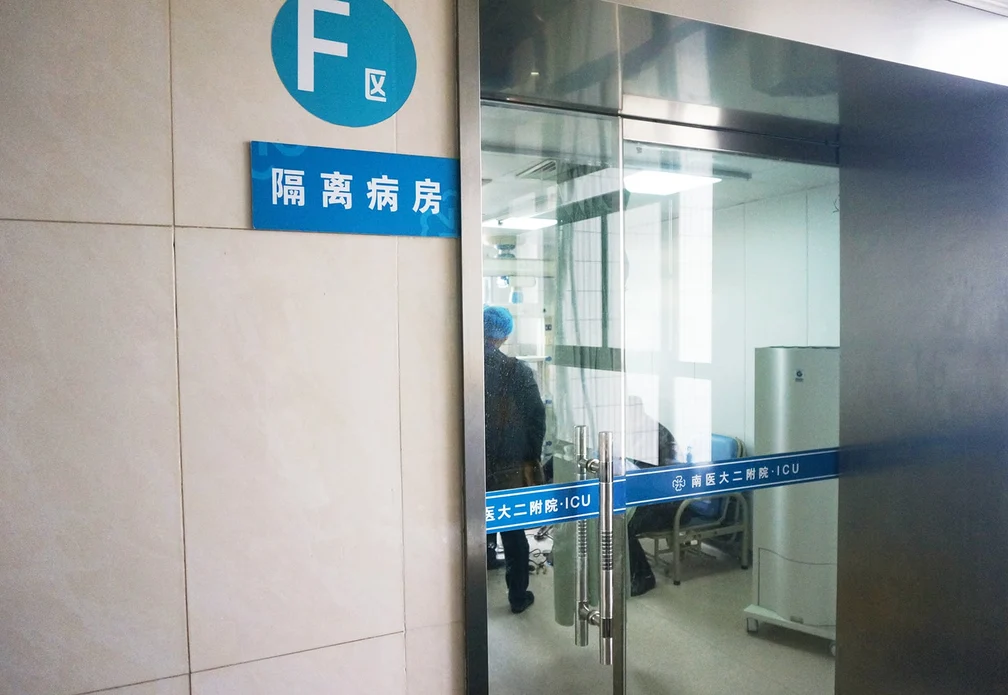
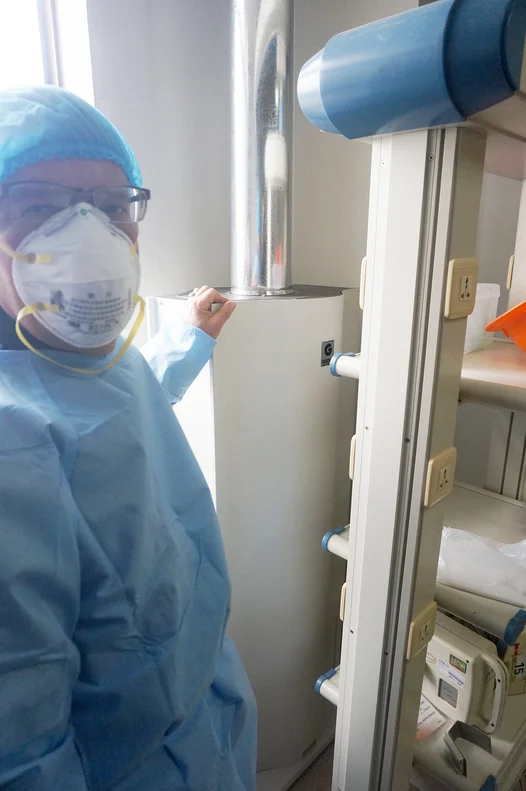
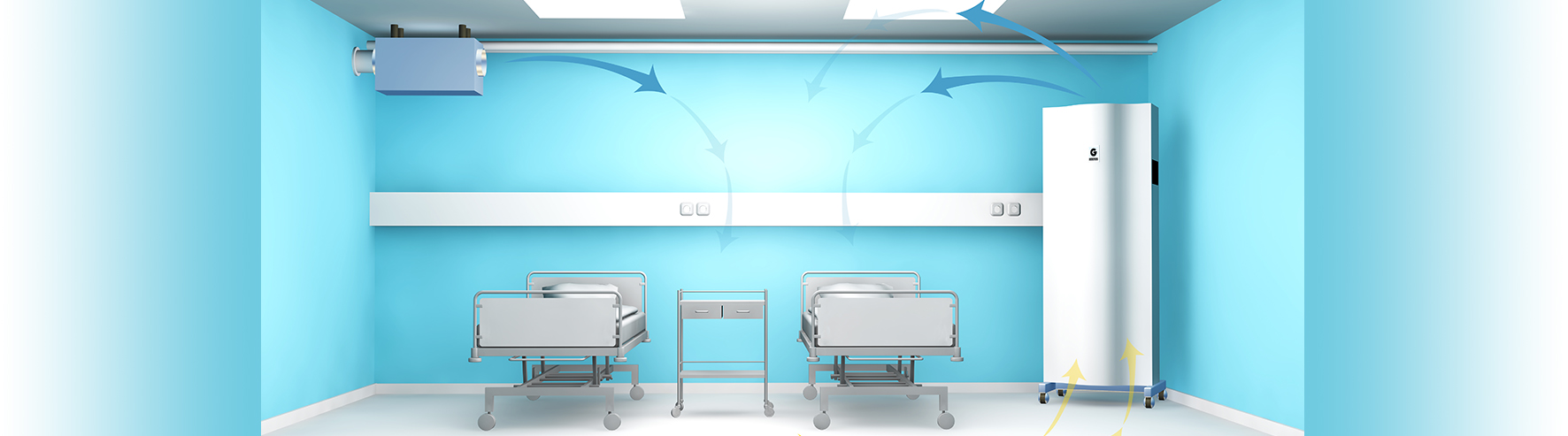
Genano, within IHMEC project, takes Indoor Hygiene to Saudi Arabia
The project brings together relevant clusters from Finland, Sweden and Estonia into a meta-cluster with new, tailor-made indoor hygiene solutions. Genano, among company representatives within the Finnish Cluster of IHMEC, introduces innovative Indoor Air Decontamination solutions within the project
During the second week of September a group of Nordic scientists and company representatives have visited Riyadh to introduce new hygiene guidelines and solutions to the Kingdom.
The target of IHMEC group is breaking the infection chain with connecting regional Finnish, Swedish and Estonian clusters to indoor hygiene meta cluster. IHMEC project is supported by European Union, which has strong regional collaboration with GCC and KSA. Bilateral collaboration is supported by MoU for cooperation in the field of health between Finland and KSA and Sweden and KSA. Finland has the first guidelines in the world for environmental indoor hygiene, aiming to give a comprehensive solution.
IHMEC project is connecting professionals in planning, designing, building and furnishing indoor hygiene spaces to form indoor hygiene solutions. Novel solutions are desperately needed to prevent the global spreading of serious infections!
The central idea for the indoor hygiene concept is to combine different technologies related to all indoor elements: air, water and surfaces to increase the level of indoor hygiene during the whole lifespan of a building. The goal of the comprehensive solution is to decrease infections, lower the costs of health care and proactively improve the health care by breaking the infection chain.
If we take an example with air treatment in hospitals: it has clearly been noticed that the traditional air filtration methods have not been enough. New technologies give possibilities to capture even the ultra-fine particles, kill all microbes and eliminate VOC-gases, all in one comprehensive solution. As a frosting to the cake this can be done without disposable filters and without pressure loss for steady continuous air delivery. One can say that now it is time to adapt the international and local guidelines to match the technical development so that new innovative technologies can be effectively utilized in all health care surroundings.
The visit of IHMEC group to the Kingdom has been a great success. The group has attended the Global Health Exhibition and Congress with own booth, speakers and a workshop creating a lot of interest and concrete suggestions on how to pursue the task further. Additionally the group visited key hospitals including King Fahad Medical City, King Faisal Specialist Hospital and Riyadh Care Hospital and participated in a Networking Event arranged by the Embassy of Finland. The work of the group continues with current funding for another year and a half and it surely will continue with good results achieved much further.
Read more about the Genano Isolation Room Concept
Genano delivers Air Decontamination Units to hospitals in China
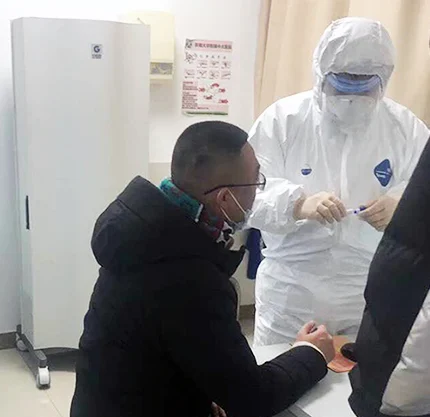
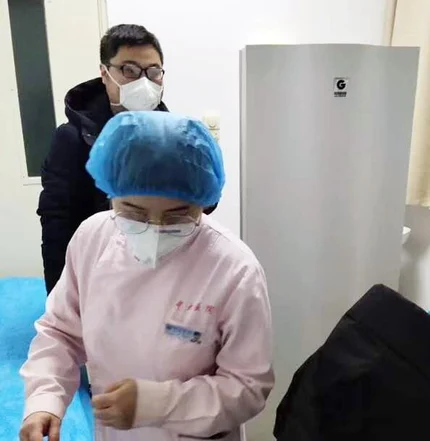
“We received an urgent request from Government owned hospitals in China. The situation required fast reaction in our end; the first products were ready for delivery to China already the next day”, says Aleksi Ahti, COO of Genano.
Genano has extensive experience in delivering Infection Control Solutions for Cleanrooms and Isolation Rooms in hospitals.
“Few years back, Genano was Fighting against MERS in Saudi Arabian central hospitals. When the MERS epidemic struck Saudi Arabia, hospitals were not ready for the large number of patients coming in. We delivered Air Decontamination Units for hospitals in need of isolation rooms for infected patients. With the help of Genano Aid Decontamination Units, Saudi Arabian hospitals and other healthcare facilities were able to treat patients safely and without the risk of contamination”, says Niklas Skogster, CEO of Genano.
Genano has an easy-to-implement isolation room solution for these kinds of situations. The patented technology is tested in various independent Research Institutes around the world.
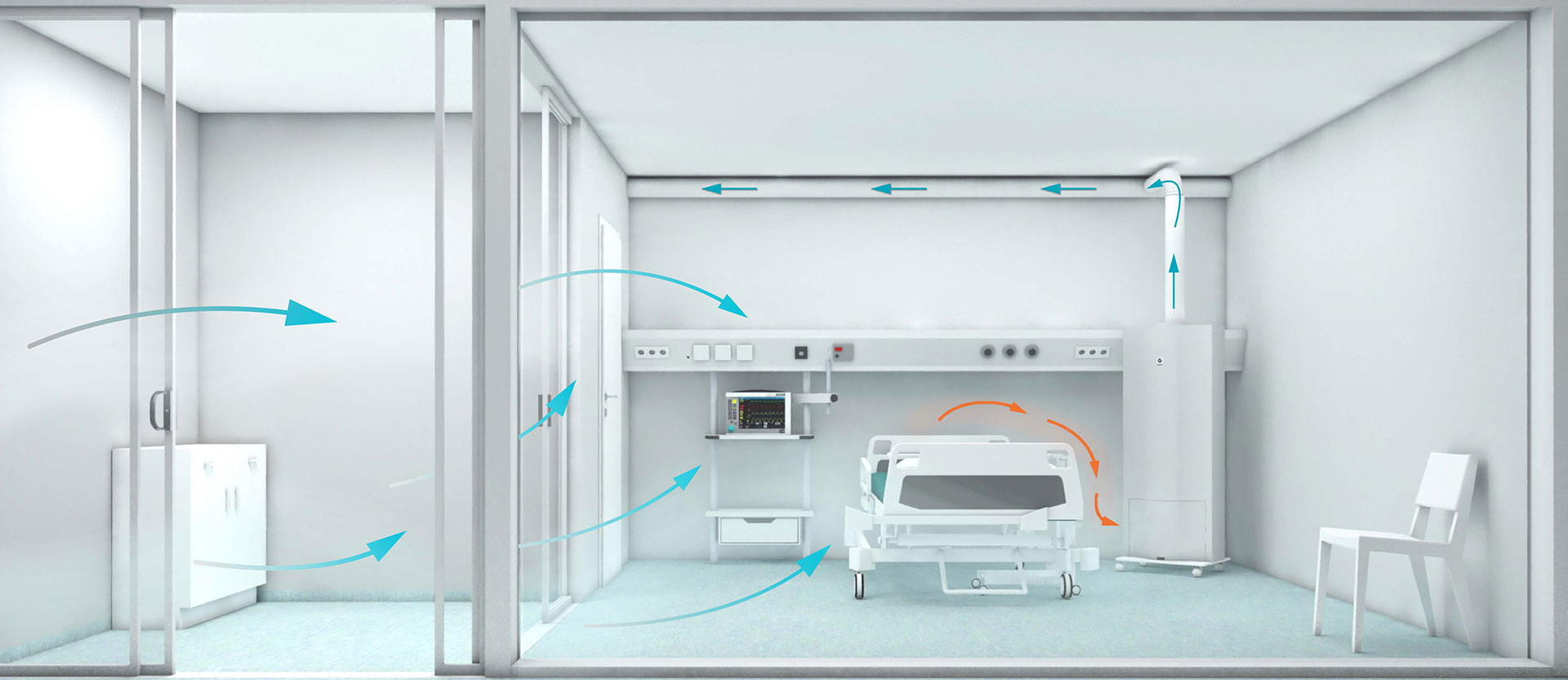
With Genano® technology all airborne microbes, such as viruses and bacteria can be destroyed and eliminated. Therefore, Genano Air Decontamination Units equipped with a negative pressure kit, are the fastest and most cost-effective way to rapidly set up isolation rooms – flexibly according to need.

Genano among the top 8 innovations in Arab Health Medical Conference, Dubai UAE
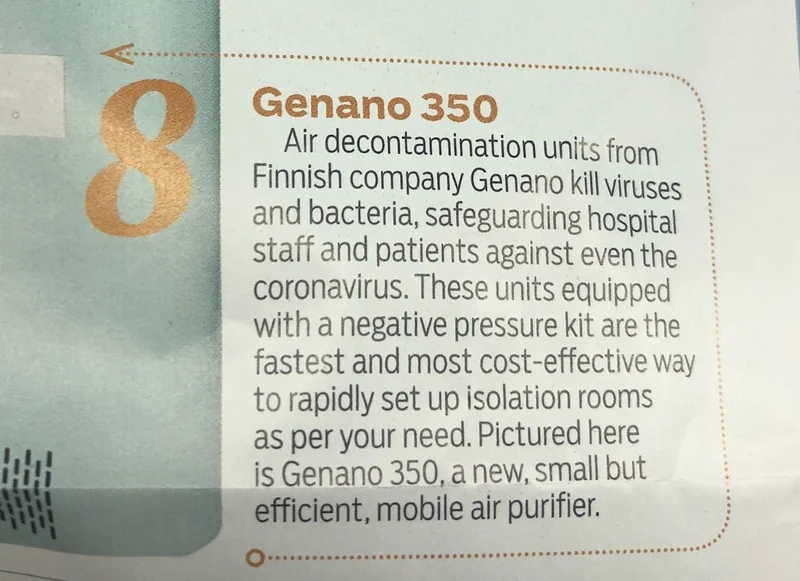
Genano, with its new G 350 Air Decontamination Unit, that kills viruses and bacteria, safeguarding hospital staff and patients against even the coronavirus, was selected among the best products.
Genano Air Decontamination Units, that can be equipped with a negative pressure kit, are the fastest and most cost-effective way to rapidly set up isolation rooms as per need. That gives hospitals great flexibility in fast emerging needs, as the current risk of fast spreading coronavirus infection shows.
Genano Air Decontamination Solution is designed for critical areas in Healthcare facilities. It is a cost-effective solution that can be designed to fit any room-specific needs for ACH, pressurization or other demands – where HEPA is not enough. Our solutions are targeted for isolation wards, protective environment rooms, ICU, laboratories and clinics.
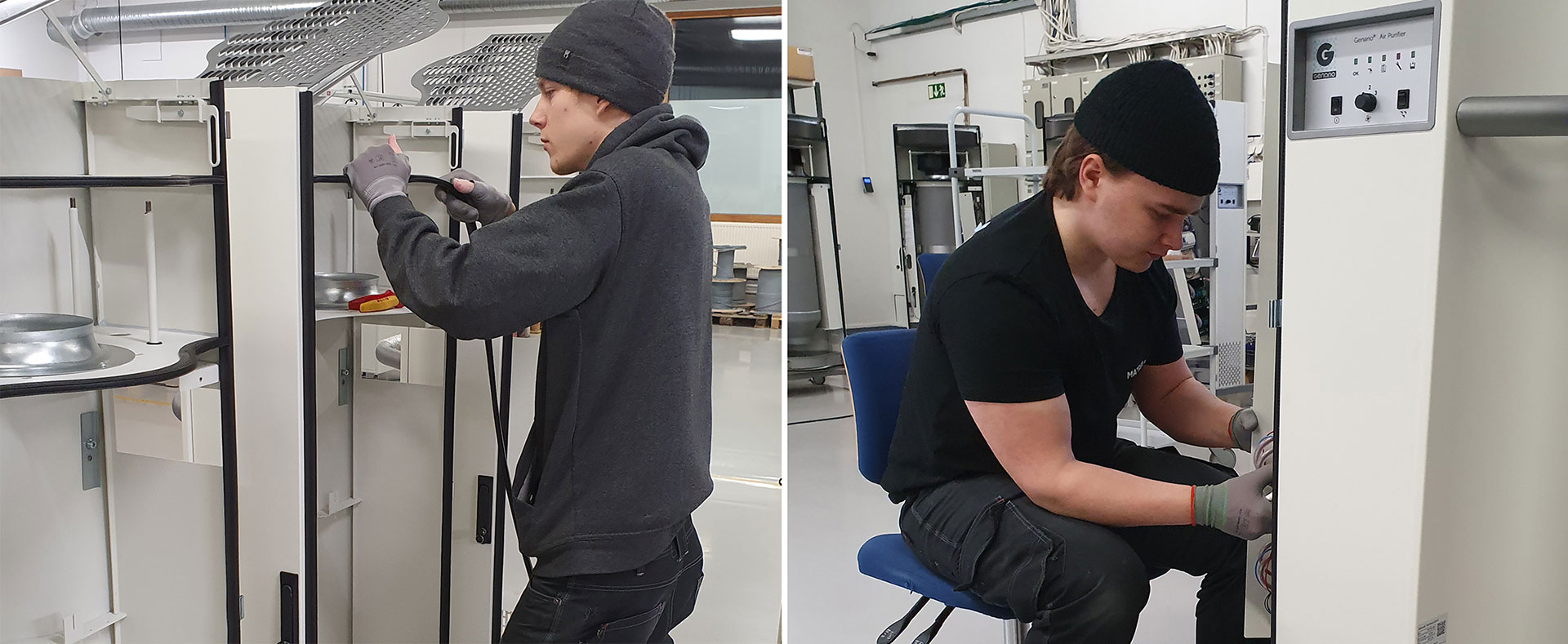
Infection transmission prevention and control of Coronavirus (COVID-19) made possible through Genano Air Decontamination Units
Infection control procedures including work practices, protocols and controls, environmental hygiene, air filtration and appropriate use of Personal Protective Equipment (PPE) are all necessary to prevent infections from spreading during healthcare service delivery. But in the case of the recent Coronavirus (COVID-19) outbreak early detection and isolation of potentially infectious patients is essential to prevent unnecessary exposures among patients, healthcare personnel, and visitors to a healthcare facility.
According to CDC and WHO, besides other infection prevention protocols/precautions the following important steps need to be adapted for patient care in healthcare facilities.
- Place the patient suspected or infected with Coronavirus (COVID-19) in a single patient isolation room (with negative pressure relative to the surrounding areas), with a minimum of 6 air changes per hour. Air from these rooms should be exhausted directly to the outside or be cleaned through filtration units before recirculation.
- Healthcare facilities should have one isolation unit per 20 beds (5% of beds) to be prepared for an outbreak such as Coronavirus (COVID-19).
- Room doors should be kept closed except when entering or leaving the room, and entry and exit should be minimized.
- Examination room doors should be properly closed when interacting with a suspected person or patient.
- Patients should wear a proper facemask to contain secretions.
- Healthcare professionals entering the room should use PPE (gloves, gown, eye goggles, facemasks etc.) and maintain entries of the visit in a log book.
- Healthcare facility should use dedicated or disposable noncritical patient-care equipment (e.g., blood pressure cuffs). If equipment is to be used for more than one patient, clean and disinfect such equipment before use.
- Healthcare professionals entering the room soon after a patient vacates the room should use respiratory protection.
- Healthcare facilities should ensure that hand hygiene supplies are readily available in every location and are used properly.
- Healthcare professionals should be regularly trained to handle infective patients and pass through periodic screening for the virus.
- Dedicated medical air purifying equipment should be used for patient care and environmental infection control.
The Chinese authorities combating the outbreak of Coronavirus (COVID-19) have built hospitals in the crisis areas and upgraded their medical infrastructure as traditional air purification methods are not enough to contain microorganisms in the air. Most commonly used fiber HEPA filters are powerless against the microbes that are less than 0.3 µm size. Unfortunately, the Coronavirus (COVID-19) is slightly larger than 0.1 µm size.Genano has developed a unique air decontamination method that kills and removes even nano-sized particles up to 0.003 µm (3nm) size from the indoor air.
Genano has recently delivered over 200 air decontamination units for hospitals in Jiangsu, Hubei and Guangdong provinces in China who needed to develop isolation rooms for Coronavirus (COVID-19) infected patients urgently.
Previously, Genano air decontamination units were used in Saudi Arabian hospitals for isolation rooms and other healthcare facilities in the MERS outbreak (2012), where they were able to treat patients safely and without the risk of contamination.
Genano air purifier is an advanced technology that ensures that all airborne microbes such as viruses and bacteria, up to 0.003 µm (3nm) size, are eliminated in a contained space. The air purifying unit may be equipped with a negative pressure kit to exhaust clean air from isolation rooms and comes in stand-alone units for isolation rooms, patient rooms and hospital areas.
Genano has proved to be a viable solution for a healthcare facility (purpose or non-purpose built).
Genano Medical air purifier benefits
- 99.5% air decontamination for all types of microbes, particles and gases
- Are easy to install and use (plug and play)
- Are mobile (using casters)
- Low running and maintenance costs (low electricity consumption and requirement of consumables)
- Improves quality, efficiency of work and prevents infection transmission.
Application areas of Genano Medical
- Isolation Rooms and Intensive Care Units (Positive / Negative pressure patient rooms)
- Operation Rooms/Theatres (OR)
- Transplant Centers
- Burn & Cancer centers
- Areas for protection of immune-compromised patients
Genano Certifications
- Medical device certified (MDD 93/42/EEC Class 1 Medical Devices)
- CE Marked
- ISO Certified
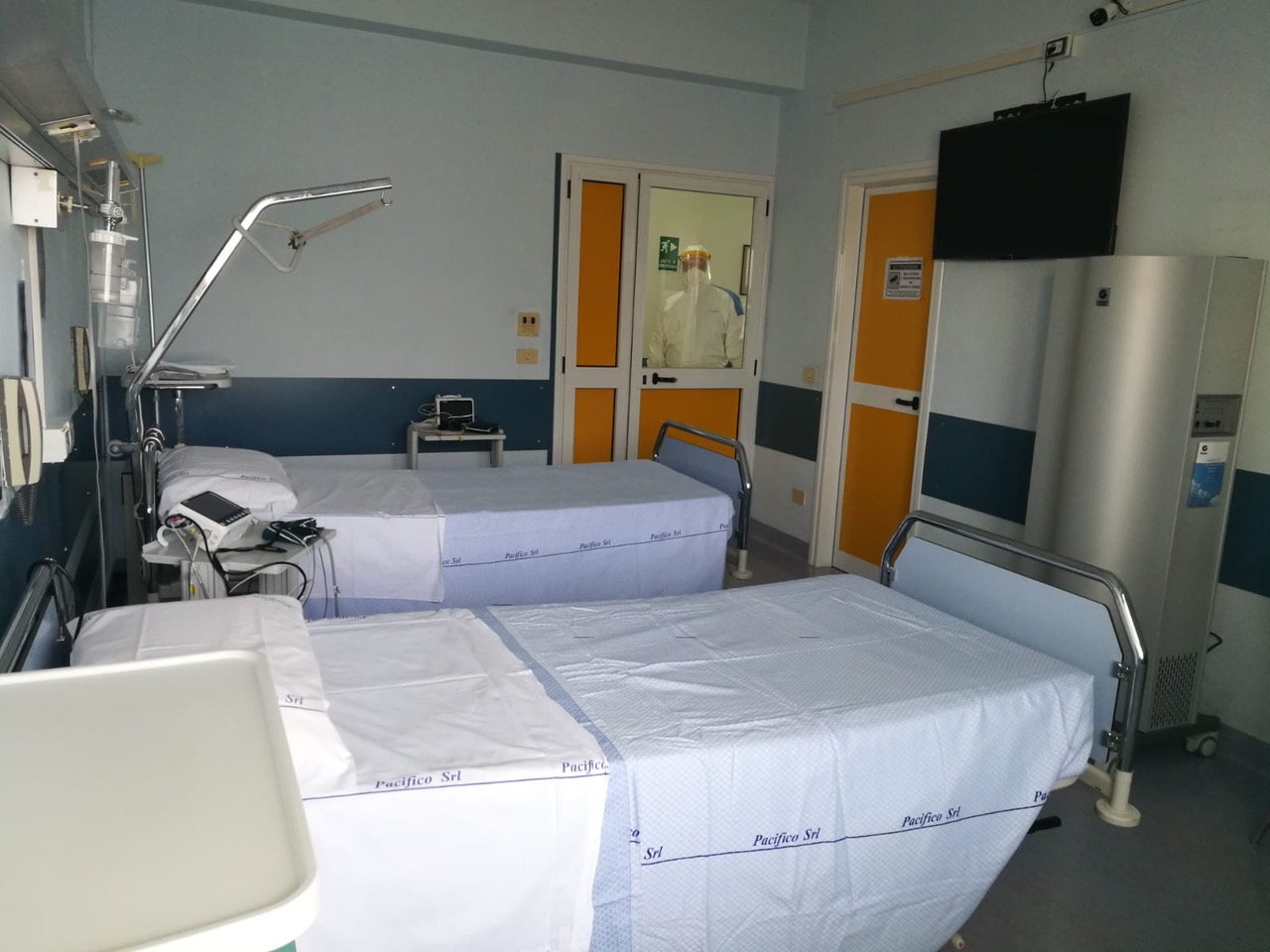
Hospitals worldwide are disinfecting air from SARS-CoV-2 with electric air decontamination technology
During the rapid demand peak for isolation rooms and effective air decontamination to fight COVID-19, a large amount of hospitals worldwide have learned that the most effective way to decontaminate air is with advanced electric decontamination. Implementing safety measures on all important fronts is crucial for the safety of hospital staff and patients. Increased cleaning, hand hygiene, usage of masks and distancing have become standards, but as the awareness of the airborne nature of COVID-19 increases study by study, also air decontamination is regarded as an essential means to prevent the viruses from spreading.
Genano's patented technology doesn't only collect, but also eliminates living microbes, including viruses and bacteria, from indoor air, which is why many hospitals have chosen Genano to decontaminate the air in isolation rooms, waiting rooms, exam rooms, laboratories etc. With a negative pressure kit, the stand-alone air contamination unit can be connected to the existing ventilation system for creating a negative pressure into the room, while removing the airborne contaminants from the air.
Many hospitals have been using Genano air decontamination technology already in previous MERS and SARS epidemics to increase their isolation room capacity.
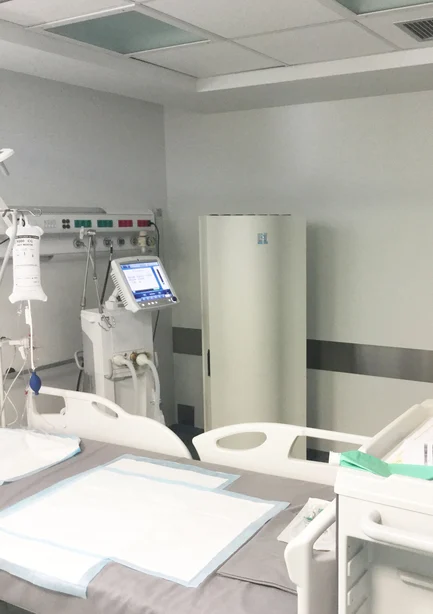
Examples of hospitals using Genano for infection control:
- Wuhan Tongji Hospital, China
- The First Affiliated Hospital of Guangdong Medical University, China
- Yifu Hospital Affiliated to Nanjing Medical University, China
- General Hospital of Luc Nam, Bac Giang Province, Vietnam
- General Hospital Ha-Dong, Hanoi, Vietnam
- General Hospital Bac Thang Long, Hanoi, Vietnam
- Provincial General Hospital of Nghe An, Vietnam
- Gynecology and Obstetrics Hospital of Nghe An, Vietnam
- Vinmec International Hospital, Hanoi, Vietnam
- Vinmec International Hospital, Da-Nang, Vietnam
- Vinmec International Hospital, Ho Chi Minh City, Vietnam
- Hop Luc Hospital, Thanh Hoa, Vietnam
- General Hospital of Yen Phong, Bac Ninh Province, Vietnam
- Hospital Sungai Buloh, Malaysia
- Hospital Kuala Lumpur, Malaysia
- Hospital Sultanah Bahiyah, Malaysia
- Hospital Raja Perempuan Zainab II, Kota Bahru, Malaysia
- Hospital Tuanku Ampuan Afzan, Malaysia
- Hospital Sibu, Malaysia
- Hospital Bintulu, Malaysia
- Hospital Miri, Malaysia
- Hospital Labuan, Malaysia
- Hospital Lahad Datu, Malaysia
- HospitalWanita & Kanak-Kanak Sabah, Malaysia
- Hospital Duchess of Kent, Malaysia
- Hospital Tawau, Malaysia
- Hospital Keningau, Malaysia
- Hospital Canselor Tuanku Muhriz UKM formerly known as Hospital Universiti Kebangsaan Malaysia
- Hospital Pulau Pinang, Malaysia
- Sunway Medical Center, Malaysia
- Samaria Health Center, temporary corona clinic, Espoo, Finland
- Ospedale San Raffaele di Milano gruppo San Donato, Italy
- ASL Lecce, Italy
- AUSL Val D’Aosta, Italy
- ASL di Salerno Ospedale di Oliveto Citra, Italy
- ASL di Salerno Ospedale di Eboli, Italy
- IRCCS di Candiolo (TO), Italy
- University Hospital of Thessaloniki, Ahepa, Greece
- General Hospital of Athens, Laikon, Greece
- General Hospital of Crete Agios Nikolaos, Greece
- General Hospital of Crete Rethymno, Greece
- General Children Hospital of Athens, Greece
- General Hospital of Serres, Greece
- General Hospital of Kastoria, Greece
- Hopital Marie Curie Brussels, Belgium
- University Hospital Mons, Belgium
- Hopital d’Hornu Hornu, Belgium
- CHU Liège, Belgium
- Clique A Renard, Herstal, Belgium
- University Hospital Jette, Brussels, Belgium
- Hospital Damiaan, Ostend, Belgium
- Hospital Rivierenland, Boom, Belgium
- Hospital St Andries, Tielt, Belgium
- Hospital CSF Chimay, Belgium
- Prince Mohamed Bin Abdelaziz Hospital, Saudi Arabia
- Imam Abdelrahman Alfaisal University Hospital, Saudi Arabia
- King Fahad Medical City (KFMC), Saudi Arabia
- Aldariyah Hospital, Saudi Arabia
- King Saud Medical City ( KSMC), Saudi Arabia
- Aleman Hospital and Jazan Military Hospital, Saudi Arabia
- Sunshine Hospital, Western Health, Melboune, Australia
- Footscray Hospital, Western Health, Melboune, Australia
If the topic is current in your organization, please contact us or find your closest distributor.
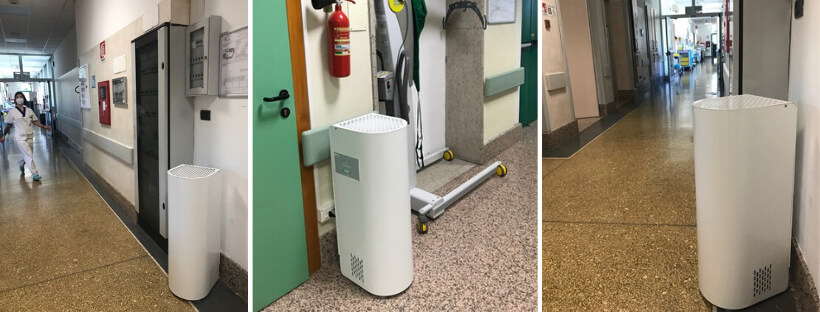
The COVID-19 crisis hit the world health sector – Italian Aosta Valley Regional Hospital searched for the most effective solution
- During the Covid-19 emergency, from March to April 2020, up to 9 departments dedicated to the care of patients affected by corona were set up in the Aosta Valley regional hospital and the resuscitation places were tripled
- The staff of the Aosta Valley Hospital consists of more than 2,100 employees with 310 doctors and 700 nurses
- 127 beds and 28 resuscitation places dedicated to Covid-19 cases
The Challenge
Of the 125,666 residents in the Valle d'Aosta Region, the officials reported a total of 1,175 people infected by Covid-19 with 144 deaths (18/05/2020).
The Technical Office was asked to research the best technologies to improve the air quality inside the regional hospital (with over 450 beds) and thus minimize the Covid-19 infections among healthcare workers and patients.
Among the objectives was to improve the quality of indoor air by preventing the virus from spreading through the movement of the air and to protect the hospital departments from Covid-19 as much as possible. Air purification devices were chosen as one of the methods for purifying the air. It is necessary to protect the patients but also healthcare personnel who are usually more vulnerable as they operate in infectious wards.
The Genano proposal
Eng. Marco Alinovi, coordinator of Operation and Maintenance in charge of the air conditioning systems of the hospitals of Aosta Valley, did some research and comparisons, and decided to deepen his knowledge of Genano Technology directly with the Manager in Italy, Corrado Cerutti.
Genano Technology decontaminates the whole indoor air, eliminating viruses, germs, bacteria but above all the airborne nano-particles up to 0.003 μm that can harm the health of patients, healthcare workers and visitors by entering directly into the bloodstream.
Genano offered the hospital its newest model, G350, which is a plug & play unit with an air treatment capacity of 300 m3/h, which can be used to complement the existing air conditioning system. The units have no filters to dispose of, which means there isn't a substrate for bacterial growth. In addition, the units are equipped with wheels and can be transported where they are most urgently needed.
At the beginning of April, the Technical Department ordered 4 Genano G350 units after evaluating the effectiveness of air decontamination combined with the very low operating and maintenance costs. In May, two more G350 units were ordered.
The Technical Department has requested to install kits on the units to obtain negative pressure inside isolation rooms and thus protect the health of the healthcare workers who access them. Technical tests are carried out to evaluate the possibility of using G350 units to create negative pressure rooms, using the special kit provided.
Result: Positive feedback from frontline healthcare workers
The Genano G350 units, designed to kill microbes through strong corona discharges inside the collection tube, do not release any by-products and they remove gases and odors through an activated carbon collector.
Health professionals who came into contact with Genano units, had positive feedback: they noticed the improvement in air quality already after the first hours of use.
Monitoring how the particle matter levels have dropped has been made easy with Airwits sensors supplied to the department.
In the press release of the Regional Council 22/04/2020, the health coordinator Luca Montagnani highlights:
“…I want to highlight that we have the highest number of healed and discharged patients in relation to positive cases, with a percentage of 40.2%. We are followed by the Province of Trento which has 32%, and after that come all the other regional health entities."

Espoo Health Services chose Genano to protect patients and staff from viruses in the air
In the next phase, another health station was prepared for similar use in case the first infection center's capacity is reached.
The examination rooms, reception rooms, break rooms, corridors and waiting areas at both health stations were comprehensively secured with Genano Healthcare air decontamination solutions. With their patented electrofiltration technology, Genano units remove viruses and other contaminants from the air and eliminate any organic matter inside the air decontamination units.
Espoo anticipated the need for infection stations well in advance and planned the tasks and the progression model quickly. Because Genano was involved in the design phase, the delivery was fast. When the health station was scheduled to open on Monday, Genano delivered the air purifiers in place during the previous Friday.
In Finland, dozens of health stations and laboratories use Genano's indoor air services. The original needs range from indoor air problems to laboratory quality assurance. During an epidemic, the ability of Genano air decontamination units to eliminate viruses is also emphasized at all of our customers’ premises.
If the topic is current in your organization, please contact: info@genano.com.
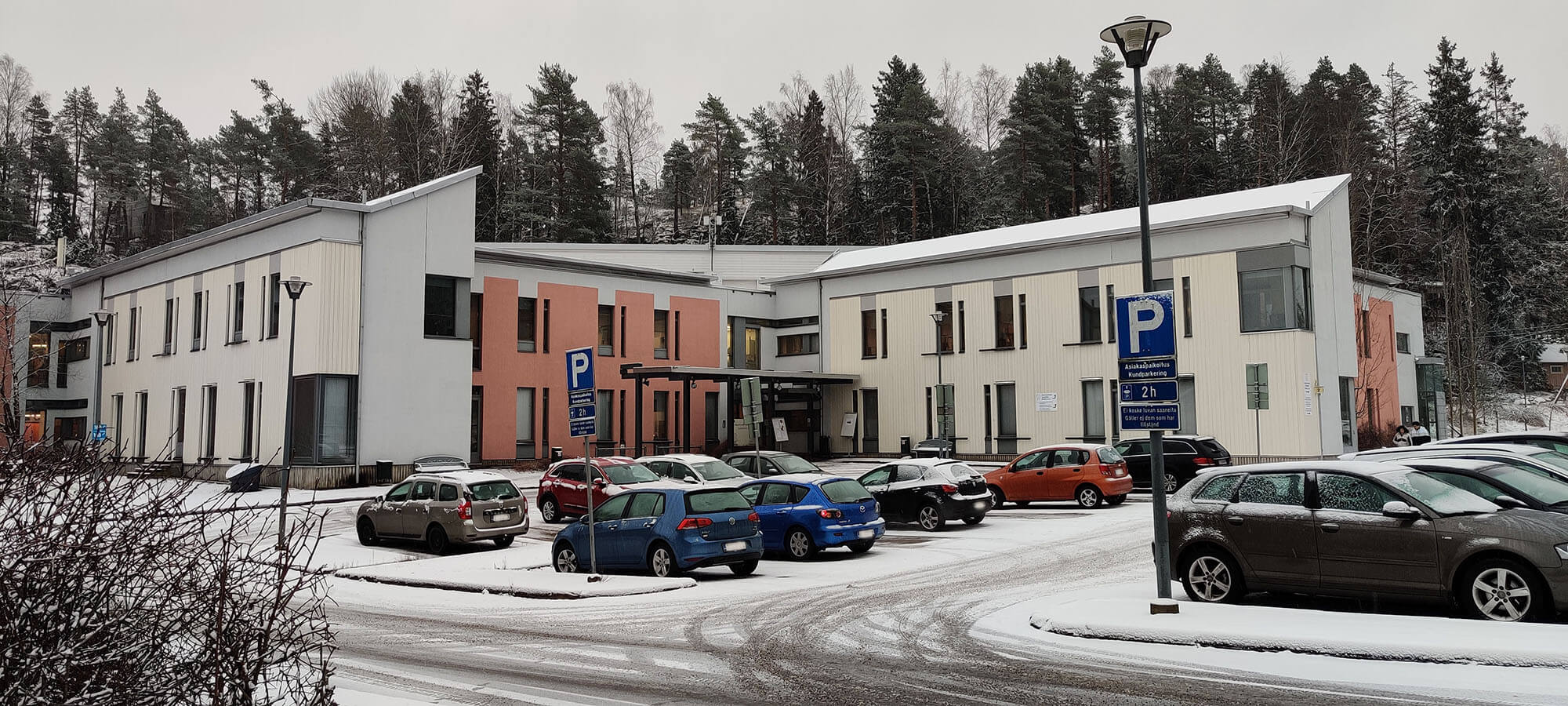
Espoo's infection center has avoided work-related corona infections - air purification has been an essential part of protection strategy since the beginning
Challenge
When corona started to show signs of spreading in Finland, the city of Espoo reorganized its patient care, for example, by transforming a health center in the center of Espoo into an infection center. Since March, patients with corona symptoms such as fever, respiratory symptoms or diarrhea have been directed there.
“Because very little information was available about coronavirus transmission at the time the infection center was established, the goal was to protect front-line staff as effectively as possible by any means that can help,” says the chief physician at the Samaria infection center.
Solution
The infection center introduced a wide range of protective measures, including masks for both staff and patients, protective jackets and other safety equipment, increased cleaning, surface disinfection, keyboard protectors and air purification.
The director of health services in Espoo had become acquainted with Genano's air decontamination units designed for hospital use, whose patented technology can be used to remove and eliminate airborne microbes from indoor air. (Read more about VTT's report, which states that Genano technology eliminates viruses and bacteria from indoor air with 99.999% efficacy.)
Based on Genano's indoor air experts' measurements, 63 Genano Healthcare air decontamination units were delivered to the facility. Genano provides clean air as a service, and in this case the units were delivered on a total takeover principle to the exam rooms, waiting rooms and staff rest areas.
Results
The wide array of precautionary measures at the infection center has been in consistent use since March. Together with protective equipment, air purification and disinfection, among other measures, the staff of Samaria infection center hasn’t had any work related COVID-19 infections.
Article is based on an interview with Chief Physician of the Samaria infection center on November 26, 2020
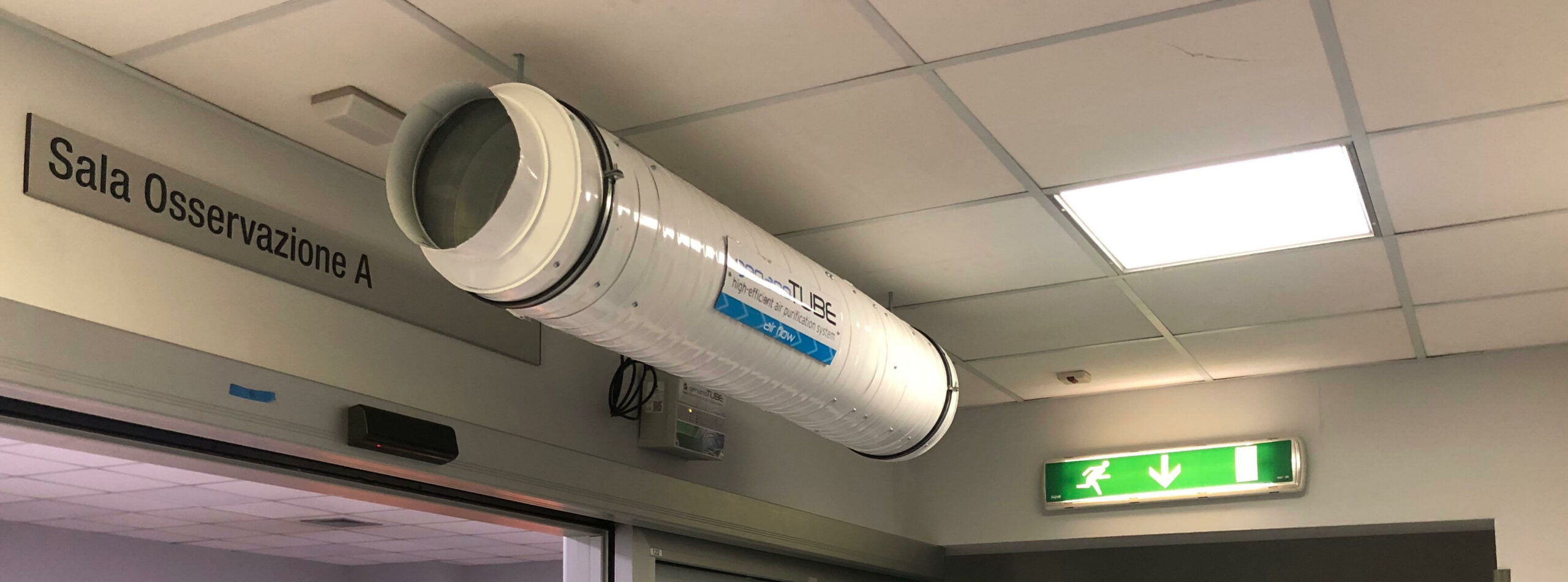
The high-intensity departments of the hospitals in Tuscany are equipped with Genano air decontamination devices
Challenge
From the website of the Italian Ministry of Health 7th December 2020:
“The occupancy rate of ICU beds in Italian hospitals still exceeds the critical occupancy threshold at national level. Overall, the number of people admitted to intensive care decreased from 3,816 (24/11/2020) to 3,663 (01/12/2020). The utmost attention is still required in the adoption and compliance with safety measures and to maintain a high level of attention to behavior."
As of December 4th 2020, there were 455 positive Covid-19 cases in the North West Tuscany USL (Local Health Authority):
- 94 hospitalized patients at the Livorno hospital, 13 of whom in intensive care
- 86 hospitalized patients at the Lucca hospital, of whom 18 in intensive care
- 102 hospitalized patients at the Apuane hospital, 17 of whom in intensive care
- 102 hospitalized at the Versilia hospital, of whom 9 in intensive care.
- In addition 16,086 people are in quarantine because they have had contact with infected people.
The challenge faced by the technical departments of the North West Tuscany USL
The Technical Offices of North West Tuscany did not wait for the second wave in order to improve the quality of the air inside the hospitals, they acted on time!
In July, when there were only 160 cases, they already had enough information to determine which devices were to be installed to limit the infections from Covid-19 among healthcare workers and patients.
A top priority was isolating the high-intensity departments dedicated to Covid-19 cases from the rest of the hospital premises with the help of negative pressure.
The Technical department sought for an alternative solution to HEPA filtration, which would have involved weeks of installation work and costs that exceeded the budget.
The trade unions gave an additional push towards finding a solution – their priority being the protection of health personnel from new infections and helping to contain the absences caused by Covid-19 infections.
The Genano air decontamination solution and advantages
Eng. Fabrizio Maggiorelli coordinated the redevelopment of the Emergency Department of the Versilia Hospital during the summer months when infections declined.
After evaluating several proposals with traditional HEPA filtration, Maggiorelli took a different direction and presented Genano's patented filterless Nonthermal Plasma technology to the management: negative pressure environments are created at five times lower costs than HEPA using portable air purifiers. Other advantages of Genano Nonthermal Plasma air filtration technology: the total decontamination of pathogens and the absence of filters that would have created additional maintenance as well as risks of spreading viruses.
The Genano devices, used for over 20 years, also during earlier epidemics, have recently been tested by the independent Finnish laboratory VTT – demonstrating a complete air treatment by eliminating viruses, germs, bacteria and all airborne nano-particles up to 0.003 μm which can harm the health of patients, healthcare professionals and visitors, by entering directly into the bloodstream.
The North West Tuscany USL therefore purchased three Genano 5250 units and one Genano 350 unit. In addition, they puchased one Genano Tube to be installed in the corridor in record time for the Versilia Hospital.
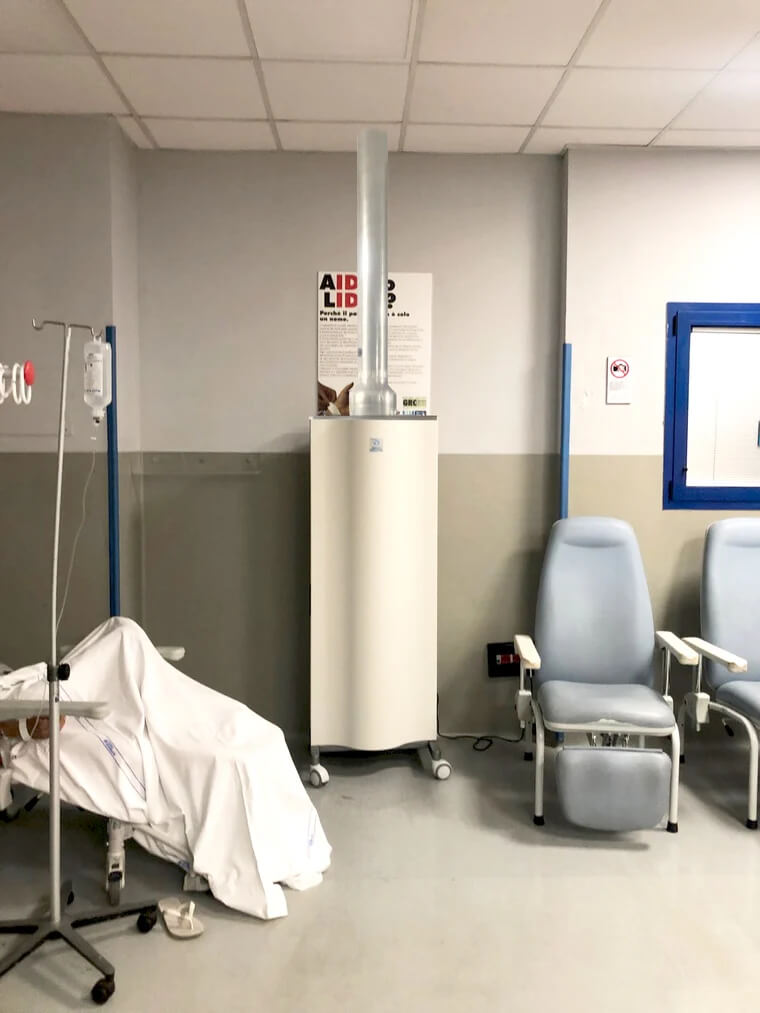
The G5250 and G350 models are stand-alone units which means easy plug & play installation. Their air handling capacity ranges from 300 to 500 m3/h. They have no HEPA filters to dispose of, instead they eliminate even nano-sized viruses and bacteria using patented Nonthermal Plasma technology.
In addition, the units are equipped with wheels and can be easily transported where they are most urgently needed.
The technical department requested the installation of special negative pressure kits on the G5250 units to obtain negative pressure inside the isolation rooms, thus protecting the health of staff who work in them and minimizing the spread of viruses outside the isolation rooms.
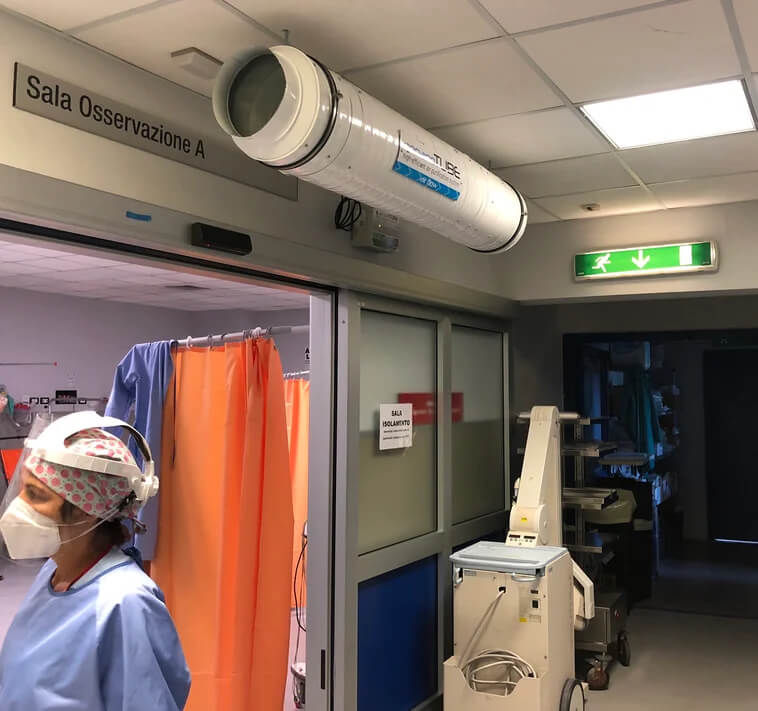
The Result: Internal scientific tests were conducted to confirm the real effectiveness of Genano Technology in COVID-19 wards
The Technical Department of the Versilia Hospital was sure that the tests conducted on Genano devices directly in its own laboratory could find an immediate positive response for the trade union health operators and could be useful to the other technical offices of the USL.
The Northern Tuscany Area Risk Prevention and Protection department commented on the test performed internally:
"The sampling was performed with the device running inside the COVID-19 ward and lasted two hours, at the end of which no traces of the contaminant SARS-CoV-2 were detected in the air – on the contrary, some viral RNA was found on the surface of the suction grid of the device."
Eng. Maggiorelli was the first among the technical managers with whom Corrado Cerutti - Head of Genano Italy - spoke with, which was followed by discussions with other technicians such as colleagues from the San Luca Hospital in Lucca (Ing. Marsala and Ing. Buratti), Hospital of Apuane di Massa (Ing. Arrighi), Hospital of Livorno (Ing. Musetti). As a result, Genano has supplied another eight G5250 units with negative pressure kits.
Last but not least, it should be noted that NGOs have also worked hard to support local safety: the Livorno Foundation has donated another 4 Genano 5250 units with negative pressure kits to the Hospitals of Piombino and Cecina.
Patient isolation in emergency rooms with Genano in Hospital A.G. Mastino Di Bosa, Italy
 Description
The need for a research project of a controlled contamination environment is based on the hospital's need to isolate patients potentially affected by contagious diseases, for example SARS-COV-2 positive patients.
For the case study, the Genano® air decontamination system was installed in Ward 1. Genano has an air purification capacity of 500 m3/h, a filtration efficiency of 99.5% and it’s effective for particles > 0.003 µm.
The environmental analysis was performed by measuring particle contamination and microbiological air contamination.
Prior to installation (T0) and during the period when the Genano system was in operation (T1), a contamination analysis was carried out in the Ward 1 and Ward 2.
Results
- The microbiological load was completely reduced to zero
- Particle contamination in room Room 1 in T1 (with Genano in operation) has reduced by up to 97%
- The distribution of particle contamination within the Ward 1 and Ward 2 rooms both in T0 and T1 is homogeneous
- Particle contamination in the Room 1 and Room 2 in T0 is similar
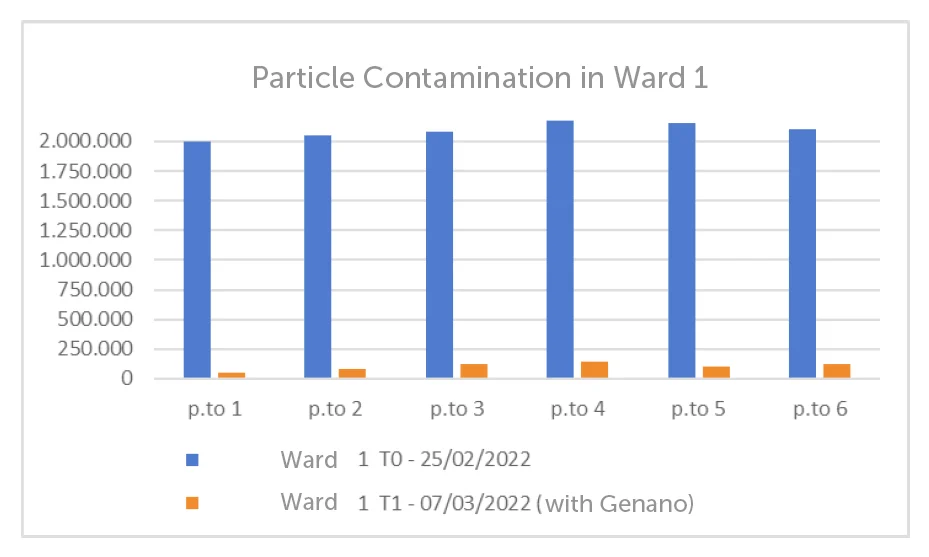
This last result is of considerable importance as dusty particulate matter is considered a carrier of pathogens. The reduction in particulate contamination reduces the risk of the spread of infections and the risk for COVID-19 transmission.
In addition, the control of microbiological contamination of the air in Ward 1 (with Genano in operation) showed that the microbiological load was completely reduced to zero.
Download the original Italian study here.
Dental Clinic Studio Milanesio has one goal – air decontamination to protect staff from viruses, bacteria and VOCs
- Name: Studio Milanesio Dentistry
- Head office: Torino, Italy
- Activities: Treatment of diseases of the mouth, teeth and gums
- Staff: one administrator, five dentists, one hygienist and eight dental practice assistants
Saliva aerosols emitted by coughing, sneezing or even during talking are established vehicles of contagion, which became a well known fact during the Covid-19 pandemic and other viral epidemics. Our client Studio Milanesio found a way to tackle the challenges of airborne contamination.
Dental procedures produce a variety of contamination
Aerosols, which are generated with certain procedures in intensive care units, but also very often in dental procedures, consist of very small and light droplets that have the characteristic of being able to remain suspended in the air for a long time and to settle on surfaces far away from the area in which they are produced.
In most dental procedures, aerosols are produced with instruments for professional hygiene like ultrasonic scaler and air/water syringe. Numerous studies aimed at classifying the specific risk per job agree that dentists have a high risk of contagion.
In addition to airborne contamination of microbial matter, there is also chemical contamination in dental clinics due both to the products used for sterilizing instruments and surfaces, but above all to the handling of materials used for dental procedures, such as resins, cements, ceramics, metals, etc.
Professionals in the health sector want to acquire appropriate tools to reduce risks in working environments such as the dental sector. There is a need to control the number of viruses, bacteria, VOCs and fine particles from drilling.
Case Study Studio Milanesio
During the renovation of the building in which his dental practice is located, Dr. Milanesio wanted to find the best possible solution to minimize the risk of viral contagion to which the clinic’s whole staff is exposed.
Dr. Marco Milanesio tells us why he contacted Genano:
"After the decision to renovate the premises in which our practice is located, it was absolutely essential to find a solution to improve the indoor air quality and give staff greater peace of mind. We were looking for a certified product that would allow us to operate safely even during the pandemic".
The completely renovated practice now has four operating rooms, a room exclusively dedicated to sterilization and treatment of operating instruments, a radiology room, a laboratory room, a functional reception, office, waiting room, doctors' lounge and relaxation room.
The investment in equipment was significant, but the management knew it could not dismiss the indoor air quality aspect: safeguarding the health of the employees and their patients was key while making the facility safe and state-of-the-art.
Dr Milanesio describes the chosen solution:
"Our company wanted to purify the indoor air from pathogens carried by aerosols. The solution for the microfiltration of nanoparticles was ten portable Genano units.”
From June 2020 to date, 6 Genano 350 portable units (treatment capacity of 300 m3/h) and 4 Elixair E400 portable units (treatment capacity of 240 m3/h) have been decontaminating every doctor's office and the corridor, waiting room and reception area. No area of the practice has been left uncovered, so that everyone can feel protected and secure.
In the waiting room, there is a video presenting the Genano technology, which has received feedback:
"Clients sometimes ask us questions about the functions of the Genano devices located in the various areas of the practice and they appreciate that we also show the utmost attention to hygiene by adopting these new safety measures. Some patients, who are severely allergic, have found comfort in our environment. We have also recommended the use of this technology to our colleagues.”
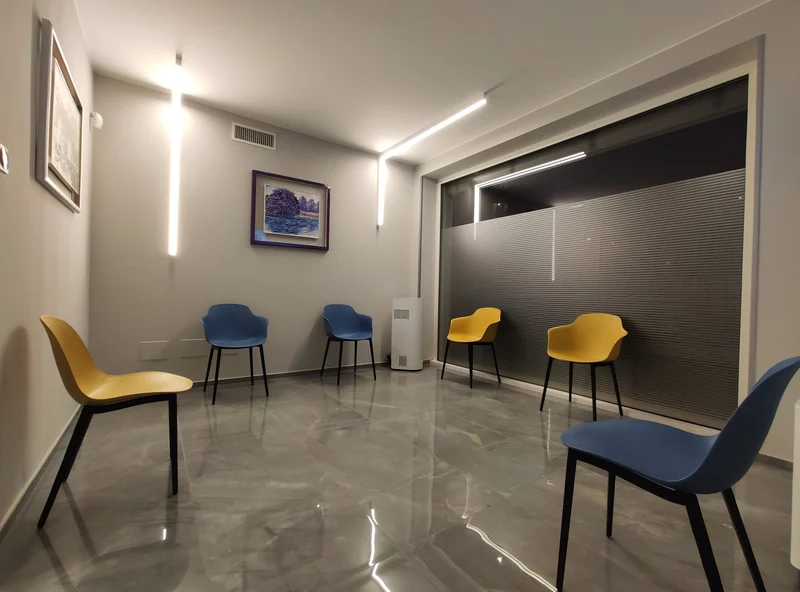
Several scientific studies on the Genano patent have been studied by Studio Milanesio. In November 2020, VTT, Technical Research Centre of Finland, conducted a study in a controlled environment, introducing MS2 viruses, a surrogate of the Coronavirus, fungi and bacteria. The results showed that the devices decontaminate the air effectively by completely destroying airborne pathogens in less than an hour without releasing ozone emissions or ionised particles into the environment.
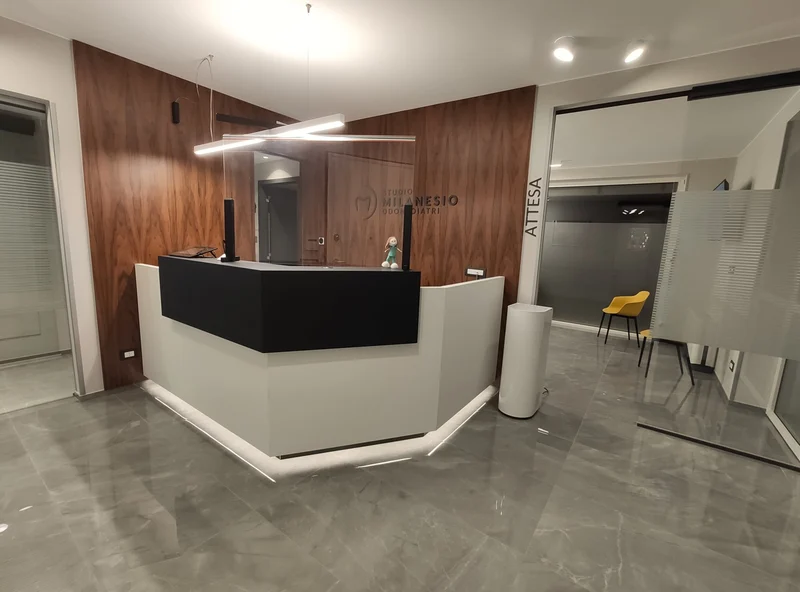
The collaboration continues
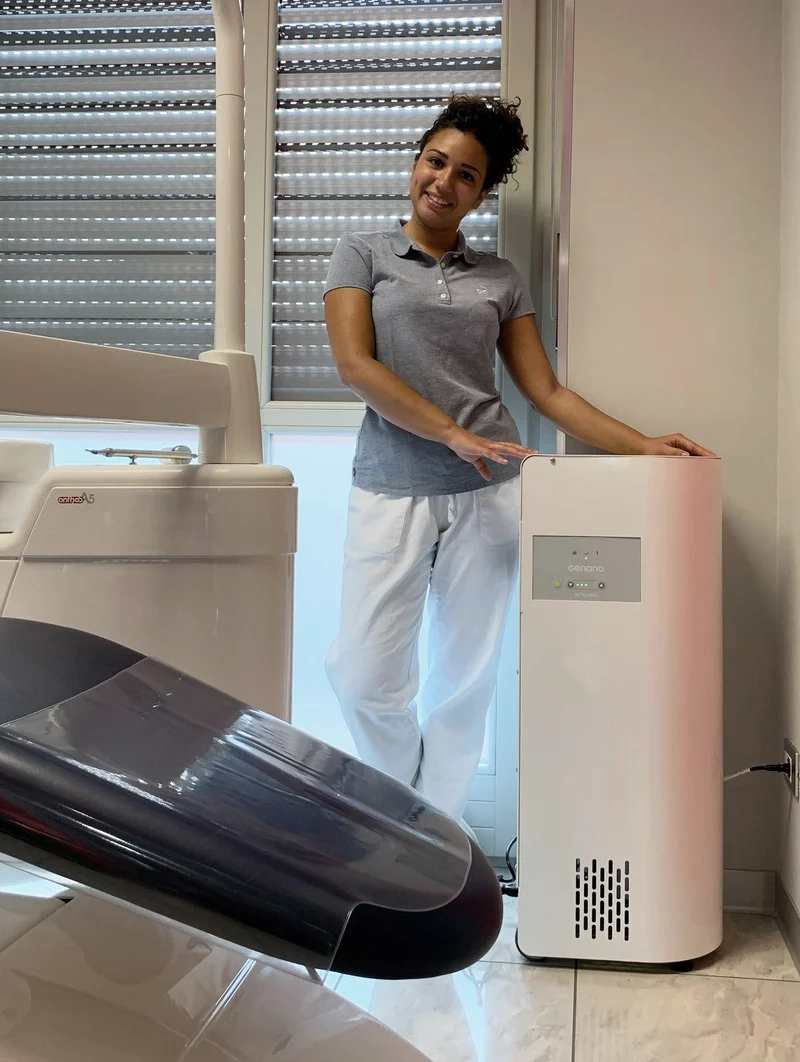
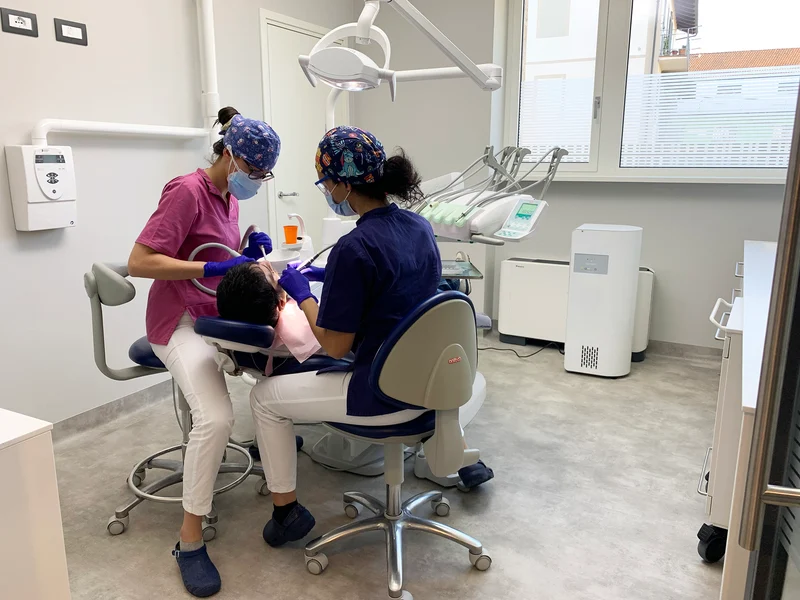
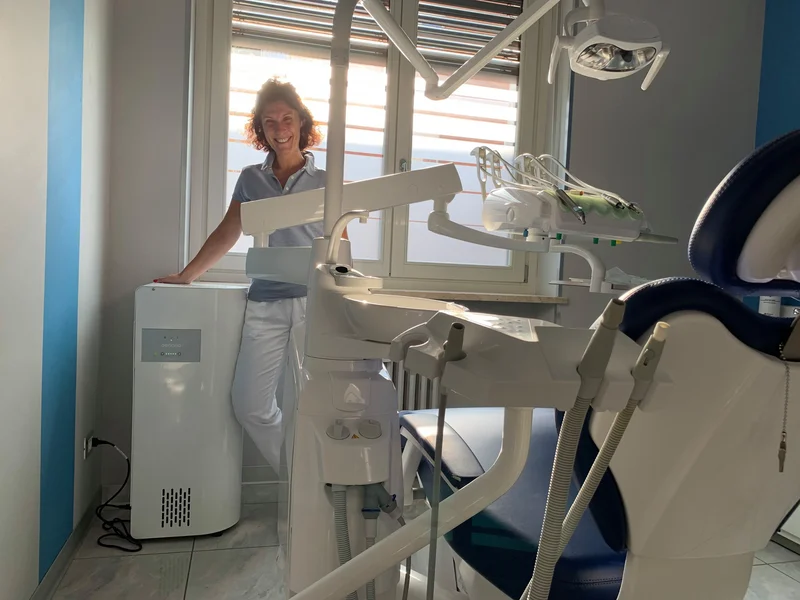
Studio Milanesio is also carrying out their own study of the air quality in various rooms and due to the installation of Airwits sensors, the clinic will be able to constantly monitor and publish the results obtained on the PM1 values present. The monitoring service is a part of Genano’s turnkey service.
Dr Milanesio comments:
"The Genano technicians have shown professionalism and competence when working on the devices. They have scheduled maintenance with us so that all units can maintain constant purification efficiency.
I am satisfied with my choice: I can run a clinic in which the air is 99.999% free of viruses and bacteria. We know how important patient satisfaction is, even in our industry, to increase competitiveness in today's market.”
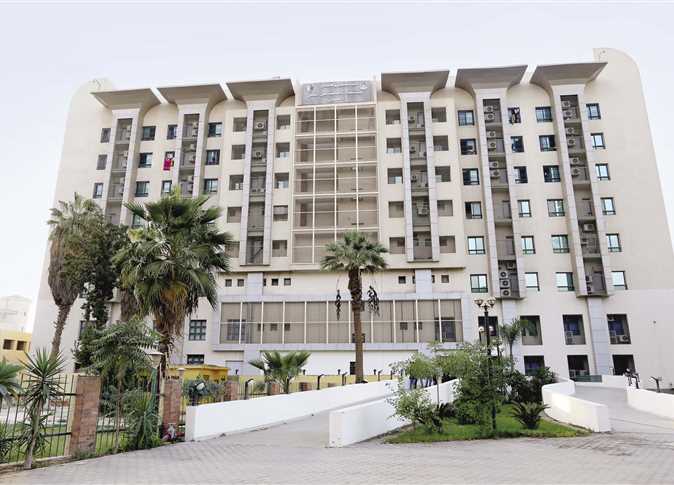
Clinical academic study proves 53,7 % decrease in surgical site infections with Genano

Starting point
Surgical site infections (SSI) are a threat to human health and a burden for hospital’s economy. SSIs lead to morbidity, extended hospitalization and even death. SSI surveillance is an important strategy to decrease SSI risk.
Ain Shams University wanted to conduct a study about air quality and its impact on surgical site infections.
There was little research available about unique Genano Air Decontamination Technology, as hospitals are typically equipped with traditional HEPA filters or UV devices. The hospital grew interested in Genano technology because it doesn’t require expensive consumables or filters. Genano’s electric filtration system enhances air quality by decreasing the particulate matter and bacteria in the air more effectively than HEPA based solutions.
The Study
The study aimed to measure SSI incidence in pediatric surgeries and assess the effectiveness of Genano’s electronic air filtration on SSI rate in operating rooms.
An interventional study and a prospective SSI surveillance were done for 12 months – 6 months before and 6 months after intervention. Patients were tracked for 30 days after the operation for the occurrence of SSI according to CDC Criteria.
In the study, incidents of SSI were compared between control group (without Genano Air Decontamination) and intervention group where improved air quality was performed by new Genano 4500 electronic air decontamination unit beside the conventional ventilation system in the pediatric operating theatre.
Results – SSIs rate was significantly higher among control group than intervention group
“The main and extraordinary findings of the study can be summarized in two points.
First, the change of air quality in the operating room was improved significantly when measured according to ISO classification. In the study the amount of particulate matter was measured before and after bringing in the Genano air decontamination devices. The target was to achieve a better cleanness level and the results exceeded the expectations.
Second, the dramatic reduction of SSI in intervention group (14.6%) compared to the non-intervention group (31.5%), which means there was a 53,7 % decrease in SSI. That is very good significance with probability of error less than 0.01 and confidence level 99%”, Dr Mohamed El Awady summarizes.
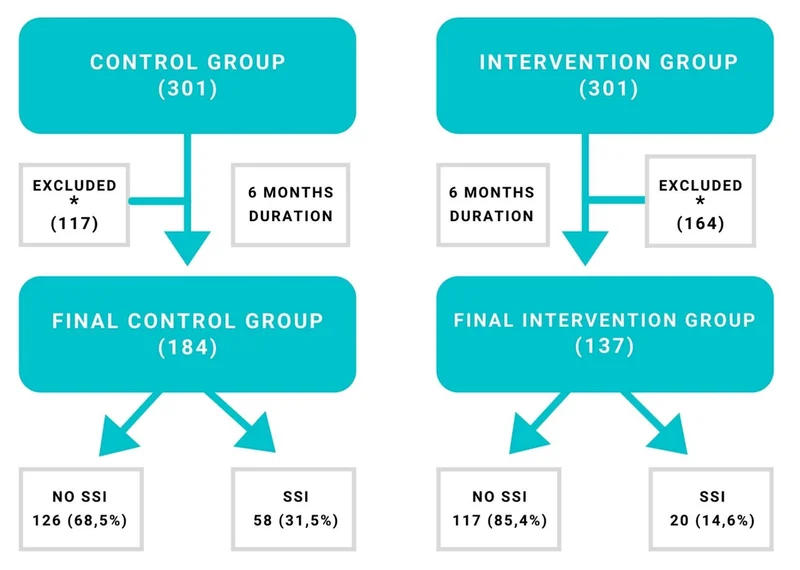
The results of this study should direct the attention of hospital infection control and quality teams to the importance of electronic filtration as an effective method to improve air quality in OR, hence reducing morbidity and subsequent mortality that could occur to the patients due to poor air quality in the operating theaters, which directly contribute to safer health care and enhancement of patient safety.
“I believe this is great news for all of us. Besides less human suffering, this means huge cost saving opportunities for hospitals”, says Dr Mohamed El Awady.
The conclusions from the study by authors:
Electronic filtration device beside the conventional ventilation system is protective against surgical site infections as it improves air quality in operating rooms.
Therefore, stress on the establishment of SSIs surveillance for tracking the incidence rate and addressing the possible controlling factors and more attention should be done to improve air quality in operating room to decrease the incidence of SSIs.
The scientific articles were published about the effectiveness of Genano technology regarding improving air quality and hospital acquired infections. The clinical academic studies can be downloaded below:
- 2021: Surveillance and Effect of Electronic Air Filtration on Surgical Site Infection in Operating Rooms of a Pediatric Surgery Department
- 2018: Effect on ELectronic Air Filtration Technology on Air Quality in Operation Rooms
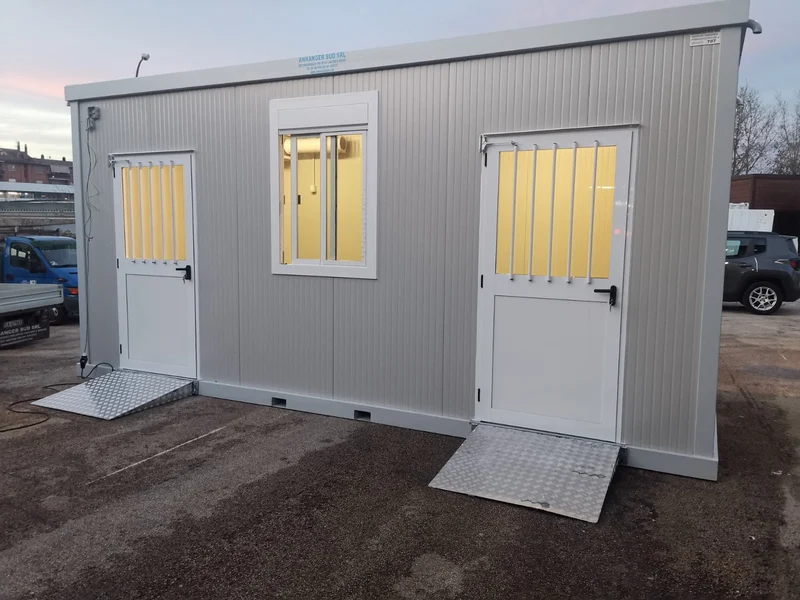
Negative pressure containers in hospital triage use

- Name: Anhanger Sud
- Head office: Pomignano d'Arco, Italy
- Activities: Production of prefabricated containers
Containers used for various hospital needs
The demand for containers has grown considerably. It is easy to set up a triage area with containers outside a hospital for example during a pandemic. Triage means assessing the need for and urgency of treatment.
Containers are also requested by building contractors to be used as doctors' offices in various construction sites or as supplementary sampling areas.
The container is an excellent solution to these needs, as the surfaces are easy to disinfect, they can accommodate technology and equipment, they are sound and heat insulated, and they are quick to assemble and transfer.
Besides the low purchase cost, another benefit is the use of raw materials. The re-use and recycling of the structure itself gives a second life to the container, which is significant from the sustainability point of view in construction and environmental protection.
Case Study
During the critical phases of the pandemic, in November 2020, Anhanger Sud contacted Genano to compare the Intelligent Air Quality technologies available on the market to reduce the risk of virus transmission in indoor environments.
Anhanger Sud had received requests from several hospitals for emergency management. The requirement was to design containers that could be used to locate potentially infected patients who are waiting for a final diagnosis.
The company found the ideal solution by equipping each container with a Genano technology for cleaning the air, which is capable of rapidly obtaining negative pressure. The installation was simple and fast.
Containers can be used in several projects that increase the capacity of intensive care in hospitals.
Mr. Miele, owner of the company, explained:
"We can easily address the lack of intensive care facilities with containers that are equipped with an advanced technology that purifies the air inside and makes the surrounding environment safe."
The high-efficiency Genano system was chosen, with an air treatment capacity of 400 m3/h and nanoparticle purification efficiency of 99.8%. It removes even the smallest particles from incoming air thanks to electric collection technology. Since there are no filters, it does not clog and is therefore a guarantee of constant efficiency. Finally, the activated carbon collector removes odors and gases.
"The air is purified and free of health-threatening pathogens. We intend to continue using this technology in prefabricated containers, especially those intended for the management of health emergencies. We have met the expectations of our customers, differentiating us from any other solution on the market".
According to the various requests, Airwits sensors will be installed inside the containers in order to monitor the air healthiness hourly. The data is obtained by the clinical engineering department inside the hospital.
The Genano team is constantly working to create the best solution for every need, so we work with enthusiasm together with customers who share our goals.
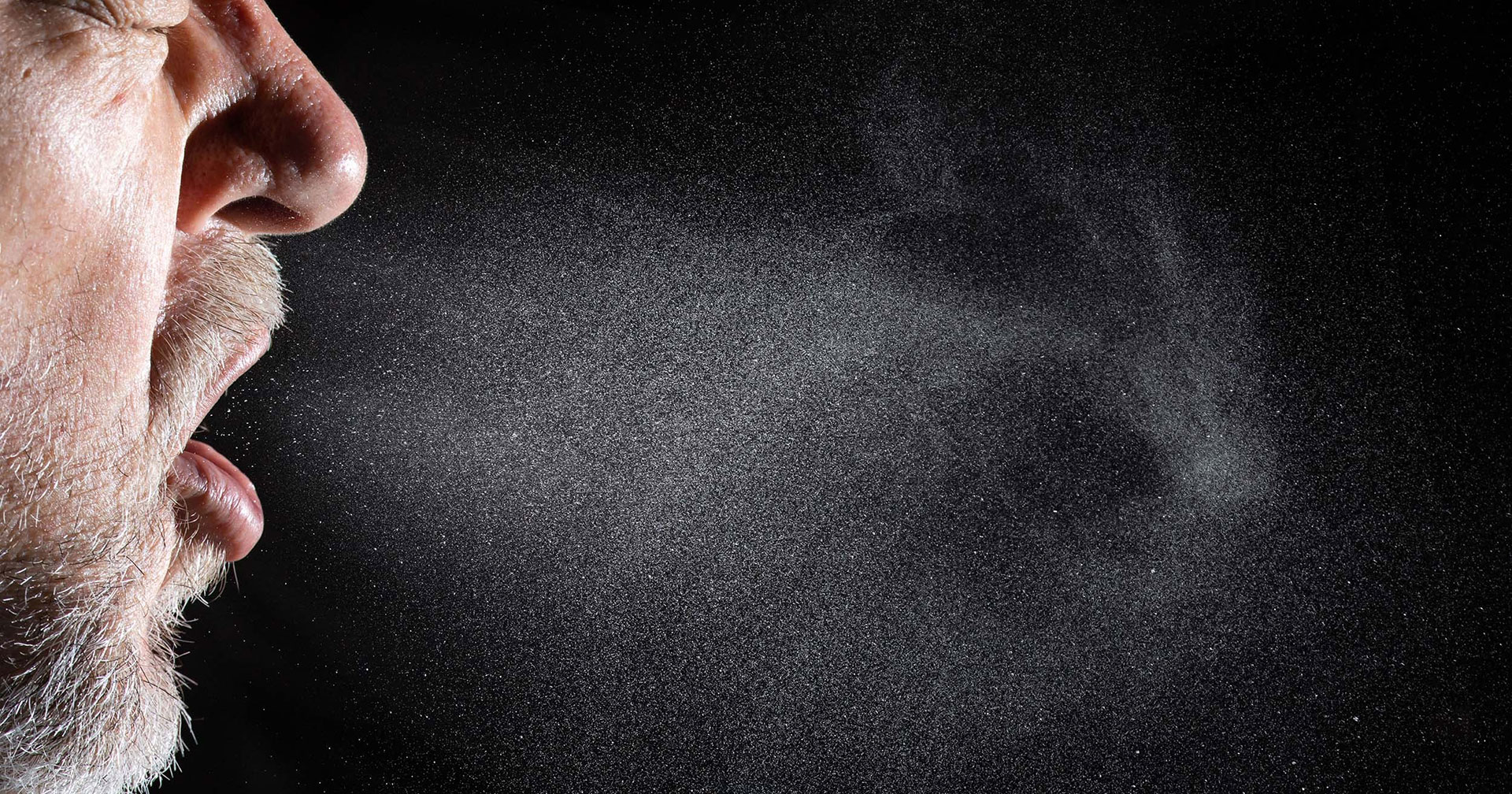
Researchers' virus transmission theories changed from droplet and surface transmission to airborne transmission during the pandemic
A Finnish research team was among the first to predict the mechanism of infection
In early 2020, a 30-person research group was established in Finland to investigate the possibility of airborne transmission of coronavirus. It soon became apparent that the general perception of the spread of coronavirus was deficient. A couple of months later, the research team published a peer-reviewed article that was among the first in the world to predict the fears of airborne infection come true: the coronavirus spreads in the breathing air with small aerosol particles. The observation made during the pandemic was revolutionary - scientists call it a paradigm shift. A similar change was seen in the past in mindsets about the spread of tuberculosis and measles, among others.
The prevailing view was that the coronavirus transmits from surfaces and droplets that fall on surfaces in seconds only about a meter from the source of infection. However, studies have shown that aerosols emitted from the respiratory tract are so small that they remain in the air for hours and can spread over a wide area indoors. The risk is high especially when people speak loudly, sing or breathe.
New information on the mechanism of infection brought changes to the guidelines
At the beginning of the pandemic, citizens were stressed that the most effective way to avoid infection is to wash their hands. At the same time, the use of face masks was even estimated to be a disadvantage. The researchers were concerned about the actions of decision-makers and experts regarding infection control, because the research results showed strong reasons to believe that the coronavirus is transmitted through the air in the form of small aerosols.
Knowledge of the mechanism of infection increased and hundreds of studies around the world began to show similar results about airborne transmission. In the spring of 2021, the medical journal Lancet listed in its article ten arguments why aerosol spread would be the main mechanism of coronavirus transmission. As a result of research, the general protective guidelines against coronavirus began to change gradually, and actions to prevent airborne infections were added to the recommendations.
Air hygiene plays an important role in protection against the virus
The spread of the coronavirus in the air was considered a “horror scenario” at the beginning of the pandemic. However, researchers have realized that airborne infections can be prevented with the right measures. Effective means of preventing infections include face masks and air hygiene, which means reducing viral concentrations in indoor air through effective ventilation and air purifiers.
According to Ville Vuorinen, Assistant Professor at Aalto University, air hygiene will be a growing trend when corona restrictions are lifted and targeted air hygiene could play a role in combating all respiratory infections in the future.
“The virus isn’t going away anywhere yet. People still have to dare to trust that they can go to work, hobbies, events and bars safely, ”says Vuorinen in an article in Helsingin Sanomat.
Source: Helsingin Sanomat 6.10.2021. Finnish researchers understood the mechanism of the virus's infection.
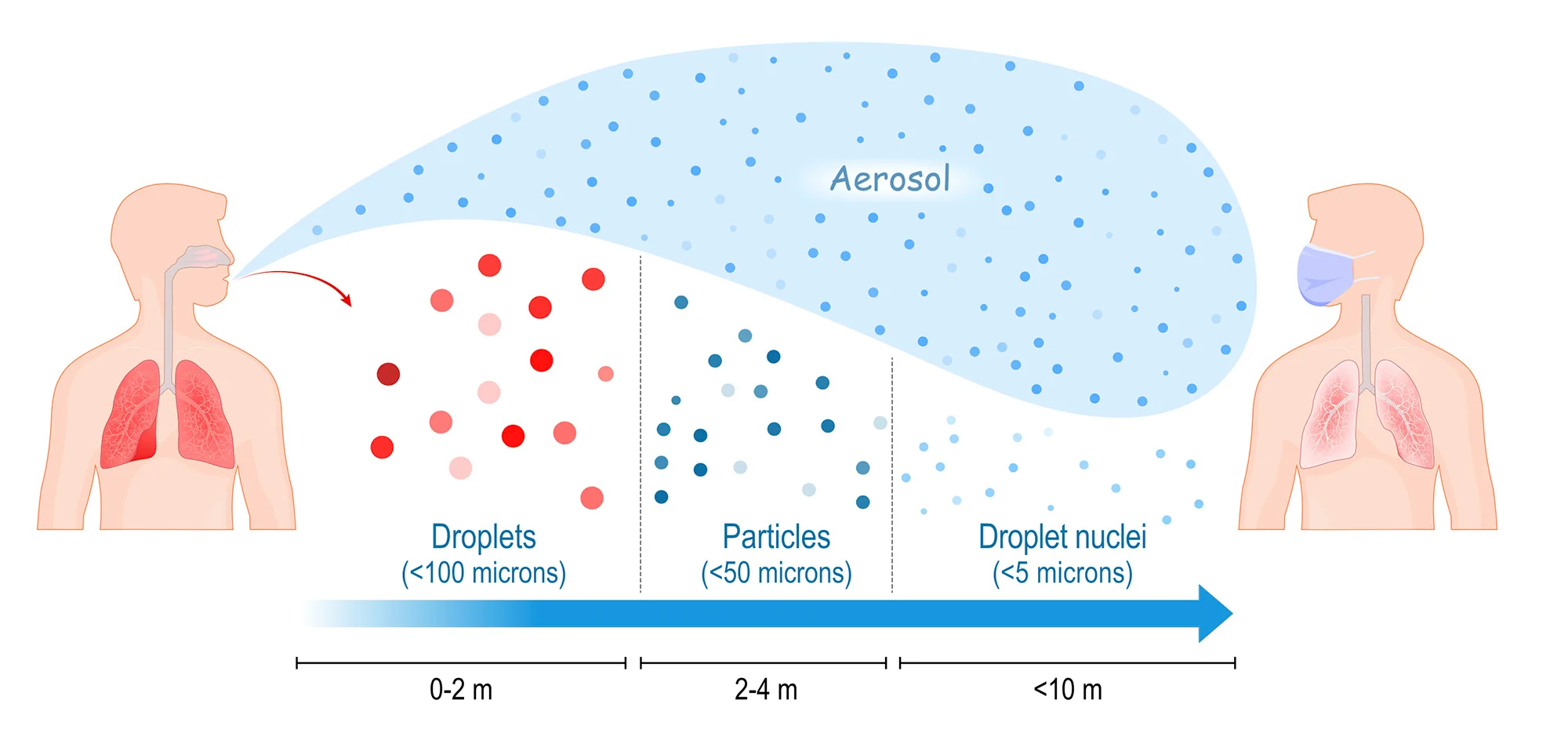
10 scientific reasons why SARS-CoV-2 is airborne
1. Superspreading events
Superspreading events account for substantial SARS-CoV-2 transmission; indeed, such events may be the pandemic’s primary drivers.1)
Viruses are transmitted through aerosols at several meter distances, especially indoors when people gather in events. There are many sad examples of group transmissions in indoor events, such as private parties and concerts, like the one held in the Helsinki Music Centre to celebrate the International Women's day in March 2020).
2. Long distance transmission through air channels
Long-range transmission of SARS-CoV-2 between people in adjacent rooms but never in each other's presence has been documented in quarantine hotels.1)
SARS-CoV-2 travels long distance in ventilation channels and stays contagious during hours. Therefore it is important to decontaminate the air flowing through the ventilation channels.
3. Trasmission without coughing or sneezing
Asymptomatic or presymptomatic transmission of SARS-CoV-2 from people who are not coughing or sneezing is likely to account for at least a third, and perhaps up to 59%, of all transmission globally.1)
"The incubation period is the time from infection to the beginning of the first symptoms. The incubation period of the disease is estimated to be 1–14 days, the most common symptoms appearing about 4–5 days after infection.According to current knowledge, a person with coronavirus disease is most contagious at the beginning of a symptomatic disease and just before the onset of symptoms. The infected person can spread the virus 1 to 2 days before the onset of symptoms. An asymptomatic person may also be a source of infection. However, according to the WHO, the majority of infections are caused by symptomatic individuals." Source: THL3)
4. Transmission risk biggest indoors
Transmission of SARS-CoV-2 is higher indoors than outdoors and is substantially reduced by indoor ventilation.1)
The best ways to reduce the indoor transmission of SARS-CoV-2 is through window ventilation and by making sure the room has at least 2 air changes per hour. Although the transmission risk is great indoors, it can be remarkably reduced by turning up the ventilation, opening the windows and using air purifiers along with longer safety distances and adequate masks. Source: Helsingin Sanomat2)
5. Protective equipment against droplet exposure are inefficient
Infections have been documented in health-care organizations, where personal protective equipment is designed to protect against droplet but not aerosol exposure.1)
“More advanced masks and other protective equipment are required in potentially virus-rich indoor environments including medical centers and hospitals. Masks are particularly effective in combination with other preventive measures like ventilation and distancing.”4)
6. SARS-CoV-2 can stay infectious in the air for hours
Viable SARS-CoV-2 has been detected in the air. In laboratory experiments, SARS-CoV-2 stayed infectious in the air for up to 3 h with a half-life of 1h.
A 1 micron spherical aerosol particle with the density of water would take 7,5 hrs to sink to the ground from a height of 1 meter. A 10 micron particle would need only 6 minutes and a 0,4 micron particle 39 hours.5)
7. Found in locations only reachable by aerosols
SARS-CoV-2 has been identified in air filters and building ducts in hospitals with COVID-19 patients; such locations could be reached only by aerosols.1)
Optimally Healthcare facilities should be equipped with an electronic filtering system, making it possible to filter the most harmful particles – viruses, bacteria, pollen, dust from the street, air pollutants and vehicle emissions, etc. – out of the incoming air.
8. Transmissions between caged animals
Studies involving infected caged animals that were connected to separately caged uninfected animals via an air duct have shown transmission of SARS-CoV-2 that can be adequately explained only by aerosols.1)
It has long been known that SARS-CoV-2 pathogens are spread mainly through aerosol particles. Aerosol, a combination of air and liquid ingredients, is formed in the lungs and released into the room when inhaled and spoken. Aerosols hover for several hours in the air in the room, so that other people can breathe them as infectious particles.
9. No evidence against airborne SARS-CoV-2 transmission
No study to our knowledge has provided strong or consistent evidence to refute the hypothesis of airborne SARS-CoV-2 transmission. Some people have avoided SARS-CoV-2 infection when they have shared air with infected people, but this situation could be explained by a combination of factors, including variation in the amount of viral shedding between infectious individuals by several orders of magnitude and different environmental (especially ventilation) conditions.1)
As we have learned that the risk of contracting the virus from touching a contaminated surface is close to non-existent.6) The results of studies suggest that the chance of getting SARS-CoV-2 infection from contaminated surface is less than 1 in 10,000. According to the C.D.C., the other transmission routes are more remarkable: droplet transmission, airborne transmission and direct contact.7)
The experts state that organizations around the world have been spending massive amounts of time and money to deep-clean surfaces, while other transmission routes have been a remarkably bigger problem. According to them, we should shift our effort toward cleaning shared air, not shared surfaces.8)
10. Limited evidence to support other dominant transmission routes
There is limited evidence to support other dominant routes of transmission—ie, respiratory droplet or fomite. Ease of infection between people in close proximity to each other has been cited as proof of respiratory droplet transmission of SARS-CoV-2. However, close-proximity transmission in most cases along with distant infection for a few when sharing air is more likely to be explained by dilution of exhaled aerosols with distance from an infected person.1)
As people want to meet and interact, taking care of proper air hygiene is very important. Using an air purifier can be seen as increasing the ventilation. There is a rule of thumb: if an air purifier doubles the volume of ventilation, the aerosol content approximately halves.9)
---
The Genano Air Decontamination innovation and technology began in 1999 and the technology has been scientifically tested in various environments with respected Research Centers, Laboratories, and Universities.
Genano Technology effectively protects indoor spaces and their users. VTT Technical Research Centre of Finland's research has found Genano technology to eliminate coronavirus from the air with 99,999% efficacy.
Genano provides customer safety, employer safety and brand tool for any business. With Genano the air is safe and healthy to breathe.
Sources:
- https://www.thelancet.com/journals/lancet/article/PIIS0140-6736(21)00869-2/fulltext
- https://www.hs.fi/kotimaa/art-2000007842978.html
- https://thl.fi/fi/web/infektiotaudit-ja-rokotukset/ajankohtaista/ajankohtaista-koronaviruksesta-covid-19/tarttuminen-ja-suojautuminen-koronavirus/koronaviruksen-tarttuminen-ja-itamisaika
- https://science.sciencemag.org/content/early/2021/05/19/science.abg6296
- https://www.info.gaef.de/positionspapier
- https://www.genano.com/infobase/statistics-show-the-risk-of-catching-the-coronavirus-from-surfaces-is-low
- https://www.cdc.gov/coronavirus/2019-ncov/community/disinfecting-building-facility.html#anchor_1617548426741
- https://www.washingtonpost.com/gdpr-consent/?next_url=https%3a%2f%2fwww.washingtonpost.com%2fopinions%2f2020%2f12%2f11%2fcovid-19-airborne-transmission-cleaning-surfaces%2f
- https://www.hs.fi/kotimaa/art-2000007842978.html

Ensuring Safe Air: Insights from the Latest ASHRAE Standard 'Control of Infectious Aerosols'
Here’s a breakdown of key takeaways from the report that help deliver safer air in healthcare facilities.
Understanding Airborne Transmission and Engineering Controls
Airborne transmission of diseases occurs when an infectious dose of active pathogens is inhaled. Reducing the concentration of these pathogens through engineering controls – such as ventilation, filtration, and air disinfection – can significantly lower infection risks. While these measures are vital, they should be part of a broader risk management strategy.
A new Concept: Equivalent Clean Airflow Rate (ECAi)
The standard introduces the concept of Equivalent Clean Airflow Rate (ECAi), which can be achieved through one or a combination of:
- Introducing outdoor air
- filtered recirculated air or
- air that has been disinfected by advanced technologies.
This flexibility allows for tailored solutions that meet specific needs, whether through mechanical or natural ventilation, or a mix of both.
Higher Standards Require More Rigorous Testing
ASHRAE has set new high standards for filtration and air cleaning technologies, surpassing current standards. These new requirements require that filters and air cleaners are tested rigorously for performance and safety, fostering trust in these technologies.
Download the scientific research report – Genano technology eliminates 99,999% of viruses and bacteria from indoor air.
Research done by impartial research centre VTT (Technical Research Centre of Finland)
Advanced Air Cleaning Systems for Pathogen Inactivation
The report emphasizes the effectiveness of in-duct and in-room air cleaning systems. Whether installed in air-handling units or within specific zones, these systems must have proof of their effectiveness to reduce infectious aerosols.
Air cleaning systems designed to inactivate infectious aerosols utilize technologies such as:
- Ultraviolet (UV)
- Electrostatic
- Photocatalytic and
- Ionizing air cleaning systems.
According to ASHRAE guidelines, technologies for pathogen inactivation can be used alone or in combination with mechanical fiber filters. Ensuring both effectiveness and safety, these technologies are essential for removing airborne pathogens from the air stream.
Mechanical fiber filters alone do not ensure pathogen inactivation, they simply remove the pathogens from the air, reducing airborne concentration. This can help to achieve the desired ECAi for a particular space.
More options
But ASHRAE 241 also recognizes the value of technologies that are designed to inactivate pathogens.
“ASHRAE 241 is a major step forward for organizations that follow ASHRAE guidelines. The standard is focused on achieving safe air through the use of any air cleaning technologies that are proven to be safe and effective and meet the ASHRAE performance test standards. Previously the range of prescribed options was narrower.
This means that technologies like Genano, which both filters and kills airborne pathogens, can play an important role in delivering safe air, whether that is in the air handling system or in room deployment.
Indeed, one of the ASHRAE-approved methods for measuring effectiveness of air cleaning technologies has shown that in room air decontamination can be very effective in achieving desired levels of ECAi”, states Genano’s Medical Export Director Petri Vaulo.
Why This Matters?
As professionals responsible for patient safety and air quality in medical facilities, these guidelines are crucial. ASHRAE reports are invaluable resources for professionals in the field, providing them with the latest research, standards, and best practices to enhance system efficiency and building performance.
Implementing these advanced standards ensures that you provide the safest and cleanest air possible, enhancing patient care and operational efficiency.
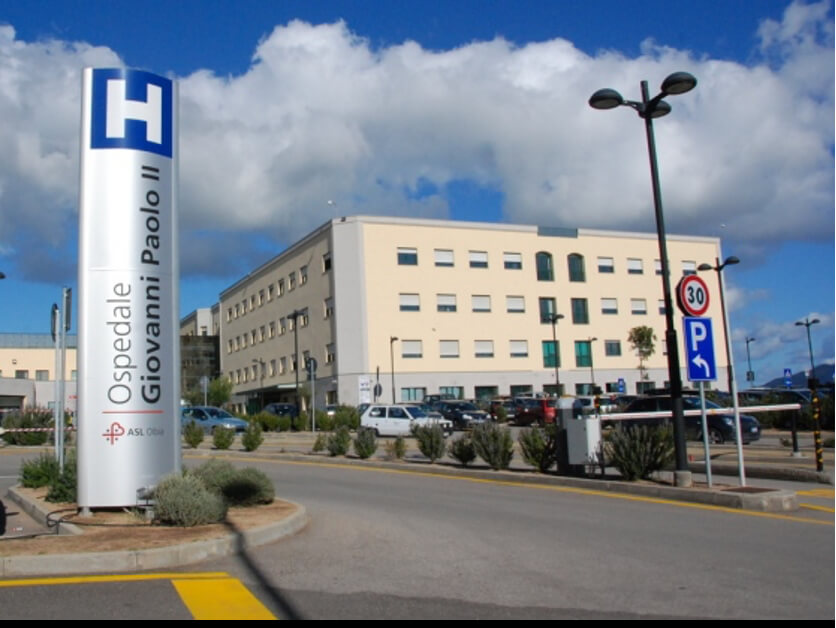
The solution to keep hospital-acquired airborne infections below the threshold levels even in high-risk areas
Infections associated with healthcare (ICA) have a significant clinical impact, as they constitute the most frequent and severe complication related to healthcare, resulting in:
- Prolonged hospital stays
- Long-term disability
- Increased use of antibiotics
- A considerable increase in hospital costs
- Increased workload for staff
- Increased reliance on laboratory tests, etc.
To ensure environmental quality in hospital premises, in addition to maintaining the correct thermo-hygrometric parameters, it is necessary to remove as many dust particles as possible and periodically carry out bio-decontamination to maintain microbial counts within controlled levels. However, technology alone is not sufficient to effectively combat the problem of environmental contamination; instead, an effective and efficient organization of the service as a whole is necessary, which must necessarily involve all stakeholders in this type of service.
Testing of the Genano continuous air decontamination system in high-risk environments at the Azienda Tutela Salute Sardegna ASSL Olbia
The study was conducted by the personnel of DMP Giovanni Paolo II in Olbia in conjunction with Biomedical Engineering at Te.Mo.Sa Srl, with the aim of studying the in vitro variation of microbial contamination in closed healthcare environments that have air treatment systems installed.
 Study Purpose
The research described here aims to:
- Study the in vitro variation of contamination in closed healthcare environments (in operation) where Genano air treatment technology is installed.
- Evaluate if the Genano air treatment system can be effectively associated with a 35% HPV bio-decontamination protocol.
- Assess the functionality of the entire process in order to prevent recontamination phenomena. The need arises from the fact that, although various methods have been proposed and developed to improve the cleaning and disinfection of surfaces, often based on the use of chemical compounds with a significant environmental impact, and although conventional procedures are effective in the short-term reduction of most pathogens, the difficulty of preventing recontamination phenomena persists.
Study Planning
After careful market research on air treatment technologies, aimed at identifying a certified product that could be associated with the efficacy of high-concentration vaporized hydrogen peroxide, the choice fell on the Genano G5250A air decontamination device. Its purification capacity is 500 m3/h, effective for particles >0.003 μm, transportable on wheels, and with an efficiency of 99.5% reduction. This model, when paired with a special kit, can create positive or negative pressure, adapting to all environments, including clean rooms, laboratories, or isolation rooms.
Regarding the experimentation methods, the study was organized into three phases:
- Analysis of environmental contamination under normal conditions (T0).
- Analysis of environmental contamination with the Genano® 5250A air treatment system active for 24 hours (T1).
- Analysis of environmental contamination under normal conditions with the Genano® 5250A air treatment system turned off for 24 hours (T2).
Materials and Methods
The analysis of environmental contamination was conducted through the following measurements with accompanying instrumentation:
- Particle count according to UNI EN ISO 14644-1.
- Quantification of total mesophilic bacterial load (CBT) according to UNI EN 13098-2002.
- Environmental bio-decontamination with 35% HPV, certified through biological and chemical indicators.
Results
From the reported data, it's evident that Genano's use within 24 hours reduced particle concentration per cubic meter by approximately 80%, promoting a more uniform distribution within the environment compared to initial conditions.
Moreover, after turning off the Genano system and routine room usage, particle concentration increased by about 300% compared to the conditions when Genano was in use.
Based on particle concentration, it's possible to assess the ISO classification of the rooms. Considering 0.5 μm particles, the Digestive Endoscopy room would classify as ISO 7 in T0 and T2 conditions, while improving to ISO 6 when Genano is operational (T1).
Digestive Endoscopy
The graph below shows the data for the visual verification of particle concentration before, and during the use of the Genano system.
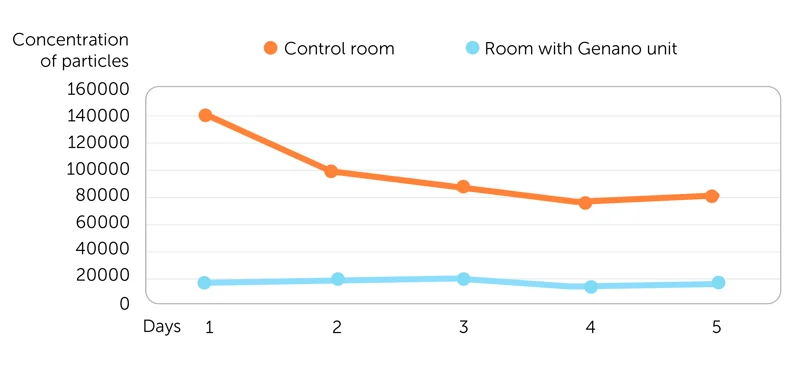
Conclusions
The fact that the Genano device can reduce particulate matter, improving the ISO classification of the room in which it is installed, demonstrates that combining the bio-decontamination protocol with continuous air treatment using the Genano system (in addition to proper surface sanitation) can be considered one of the optimal solutions for maintaining the risk of healthcare infections at levels deemed acceptable by Medical Directors, especially in areas defined as "high risk."
The importance of having a corporate protocol that includes:
A. Integration of HPV bio-decontamination into currently adopted sanitation procedures, based on risk assessment and "on-call" in the case of external contamination.
B. Integration of the VCCC system with standalone or ducted continuous air treatment systems to improve effectiveness and efficiency.
The study has also highlighted the significant insight that inadequate ventilation, besides being a potential cause of respiratory infections and healthcare-associated infections, can lead to "Sick Building Syndrome."
The quality of air in hospitals, both as a residence, diagnosis, and care location for patients, and as a workplace for staff, is increasingly perceived as one of the determining factors not only for the quality of life but also for the quality of healthcare and professional performance. Therefore, careful management and monitoring of air quality and the processes of sanitation, bio-decontamination, and maintenance of environments in ideal conditions are vital to reduce these risks and improve the quality of healthcare.

Transforming Infection Control in Hospitals – Clinical Studies of Genano Bioaerosol Control
These infections are often caused by antibiotic-resistant bacteria, posing a significant global health threat. Airborne particles, acting as carriers for pathogens, have a strong correlation with the presence of molds and bacteria, making effective infection control a critical priority.
In the face of this challenge, Genano's innovative technology offers a comprehensive solution to combat contamination from multi-resistant bacteria, addressing the imminent threat of antibiotic resistance. Recent clinical studies have demonstrated the remarkable effectiveness of Genano's air treatment systems in critical hospital areas, leading to significant improvements in air quality and infection control.
Study 1: Enhancing Air Quality in Endoscopy Rooms
A controlled study conducted in a Western European Hospital revealed that Genano devices placed in Endoscopy rooms achieved an impressive 80% reduction in particle concentration per cubic meter within just 24 hours. The Genano® 5250 system not only improved air quality but also elevated the ISO class from ISO7 to ISO6, indicating a healthier environment. Furthermore, it successfully reduced other bioaerosol contamination by eliminating microbial loads carried by particles. Healthcare personnel noticed a perceptible improvement in air quality.
Researchers recommend combining Genano's air treatment system with periodic bio-decontamination, such as the 35% HPV system, for optimal results.
Study 2: Reducing Surgical Site Infections (SSI)
A scientific clinical study demonstrated a remarkable 54% decrease in surgical site infections (SSI) with the implementation of Genano technology. It not only improved air quality in operating rooms according to strict ISO standards but also created an overall healthier air environment. This reduction in SSI not only decreases human suffering but also offers substantial cost-saving opportunities for hospitals.
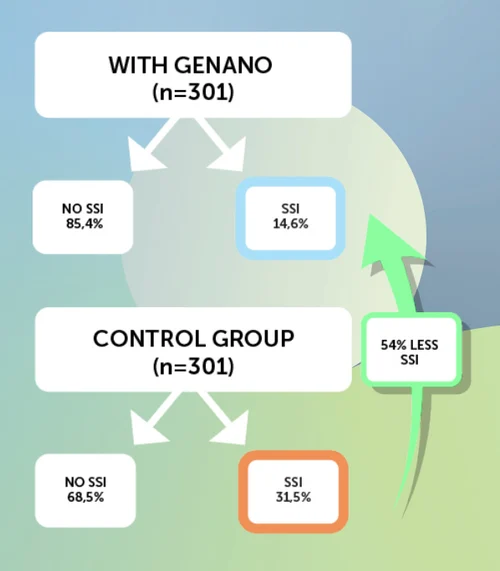
Read More: https://www.genano.com/references/537-decrease-in-surgical-site-infections-with-genano
Validation through NHS Scotland's Testing
Genano's effectiveness was further validated through NHS Scotland's testing. The Genano devices reduced total viable counts (TVC) levels in the air by an impressive 62%. Additionally, mold levels in the air decreased by an average of 82%. These results highlight the success of Genano's filtration product in consistently reducing airborne microbial levels, thus lowering the risk of airborne disease transmission, including threats like COVID-19. Notably, both clinical staff and patients accepted these devices well.
Conclusion
Genano's Complete Bioaerosol Control technology has emerged as a groundbreaking solution for infection control in hospitals. Its ability to reduce particle concentration, improve air quality, and decrease the risk of HAIs and SSI demonstrates its crucial role in enhancing patient safety and reducing healthcare costs. In the face of rising antibiotic resistance and the threat of infectious diseases, Genano offers a beacon of hope for hospitals striving to provide a safer and healthier environment for their patients and staff.
Link to Infection Control White Paper (PDF)
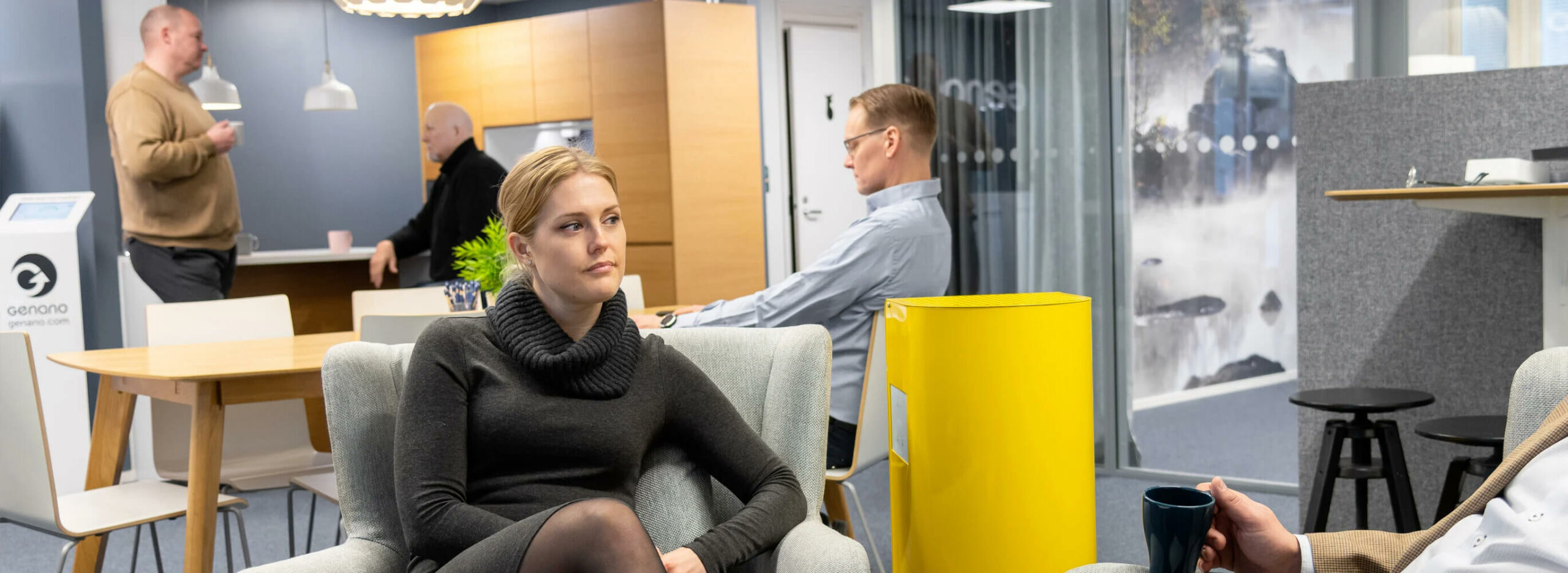
Finnish-made air purifiers as a turnkey service
What does Genano’s Clean Indoor Air as a Service include?
Finnish-made air purifiers and a turnkey service bring exceptionally clean air to the workplace
Clean indoor air as a service is our safest air purification solution for businesses and public spaces.
Your air purifiers come with expert support, including:
- A site assessment
- Air quality measurements, with a comprehensive indoor air investigation if needed
- Regular servicing.
We take responsibility for keeping the air in your premises clean.
Our service covers all of Finland. We serve public and private organisations that want exceptionally clean air.
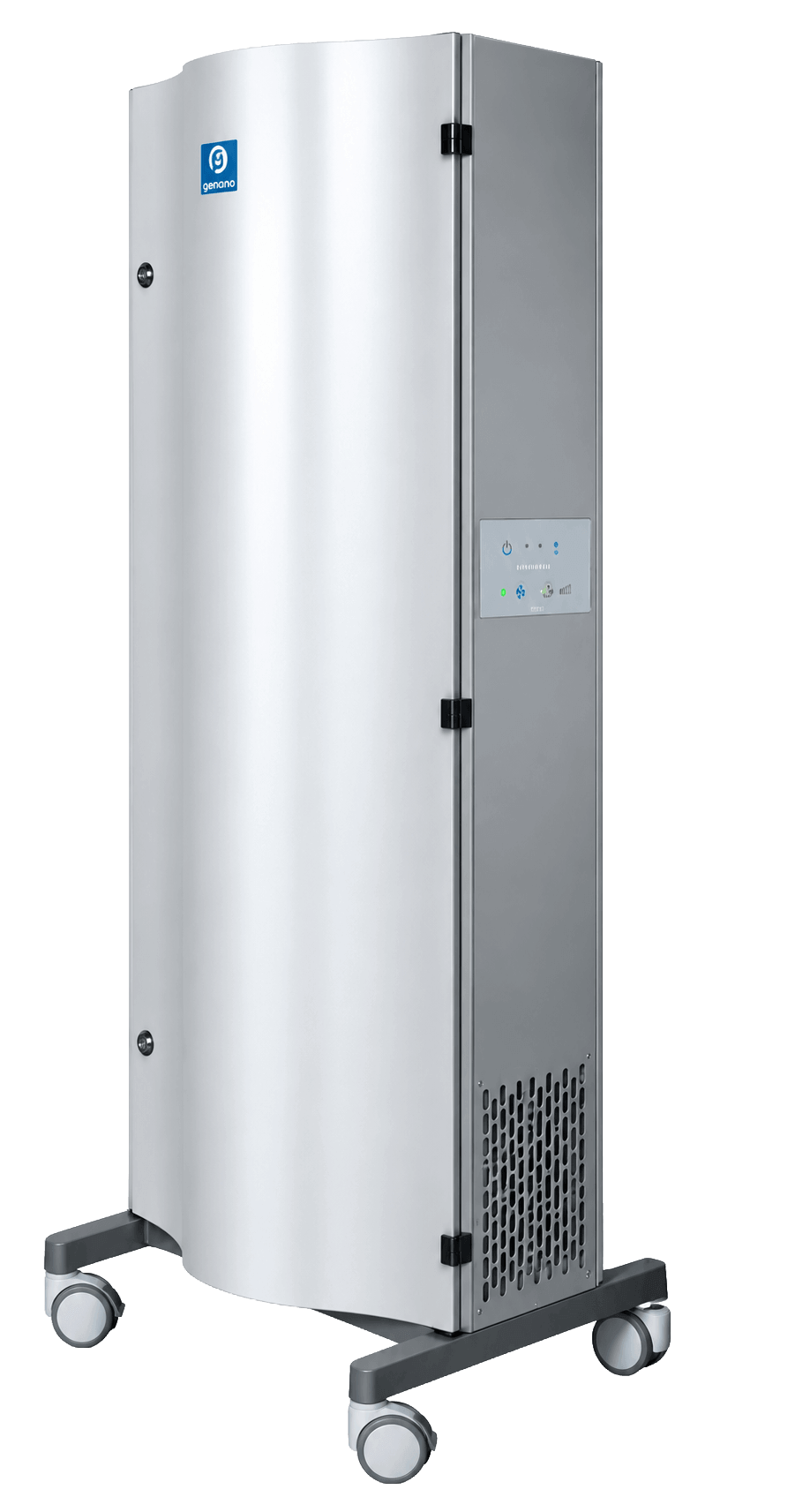
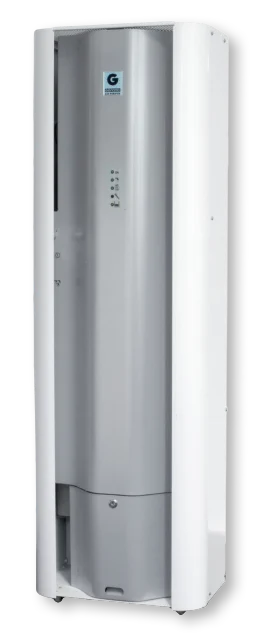

Immediate effect
Effective, continuous air circulation starts as soon as you plug in the unit.
Saves energy
Uses considerably less energy than conventional air purifiers with fibre filters.
Eliminates microbes
Captures and destroys viruses, bacteria and mould with 99.999% efficiency (VTT, 2020).
Removes particles and VOC gases
Patented technology removes harmful nanoscale particles and gases from indoor air.
No ozone emissions
The unit releases no ozone into indoor air. Its activated carbon collector filters out VOC gases as well as background ozone.
No fibre filter waste
Avoid costly HEPA filter replacements with Genano’s unique electronic filtration technology.
Clean air gives us an edge in recruitment
“Especially when we recruit from outside Finland, hearing about the air purifiers in our office has been one of the deciding factors in choosing Yousician. Safe air in the office is also listed among the benefits in our job offers.”
– Kaisa Sosala, Senior Office and HR Manager at Yousician
Preventing infections in a vessel traffic control centre
“Even when an employee came to work unaware that they had COVID-19, there were no workplace infections. One employee also told us the air quality was noticeably better during the road dust and pollen seasons. They usually suffer from severe allergies, but their symptoms were much milder than in previous years.”
– Jorma Timonen, Safety Manager for Vessel Traffic Services at Fintraffic
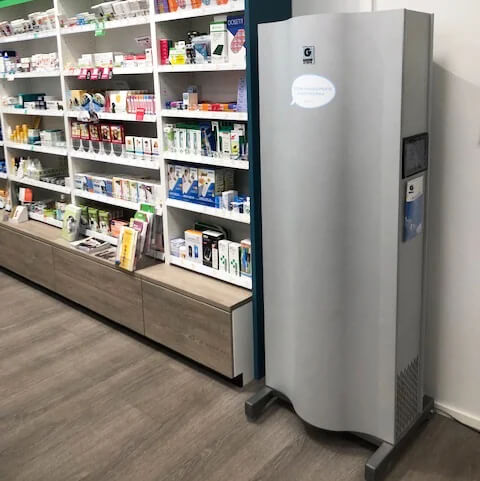
Safer air for customers and staff at the pharmacy
“At our pharmacy, Genano helps prevent the spread of colds and other infectious illnesses when customers visit.”
– Hanna Ervasti, pharmacist at Liminka Pharmacy

Air purification helps control dust, reduce waste and ease asthma symptoms
“The units were really useful. I could see how effective they were because even the dust on surfaces disappeared from the shop. Our staff, including a colleague with asthma, said they noticed the difference once the air was purified.”
– Sammy Korpinen, retailer at K-Market Tikkari
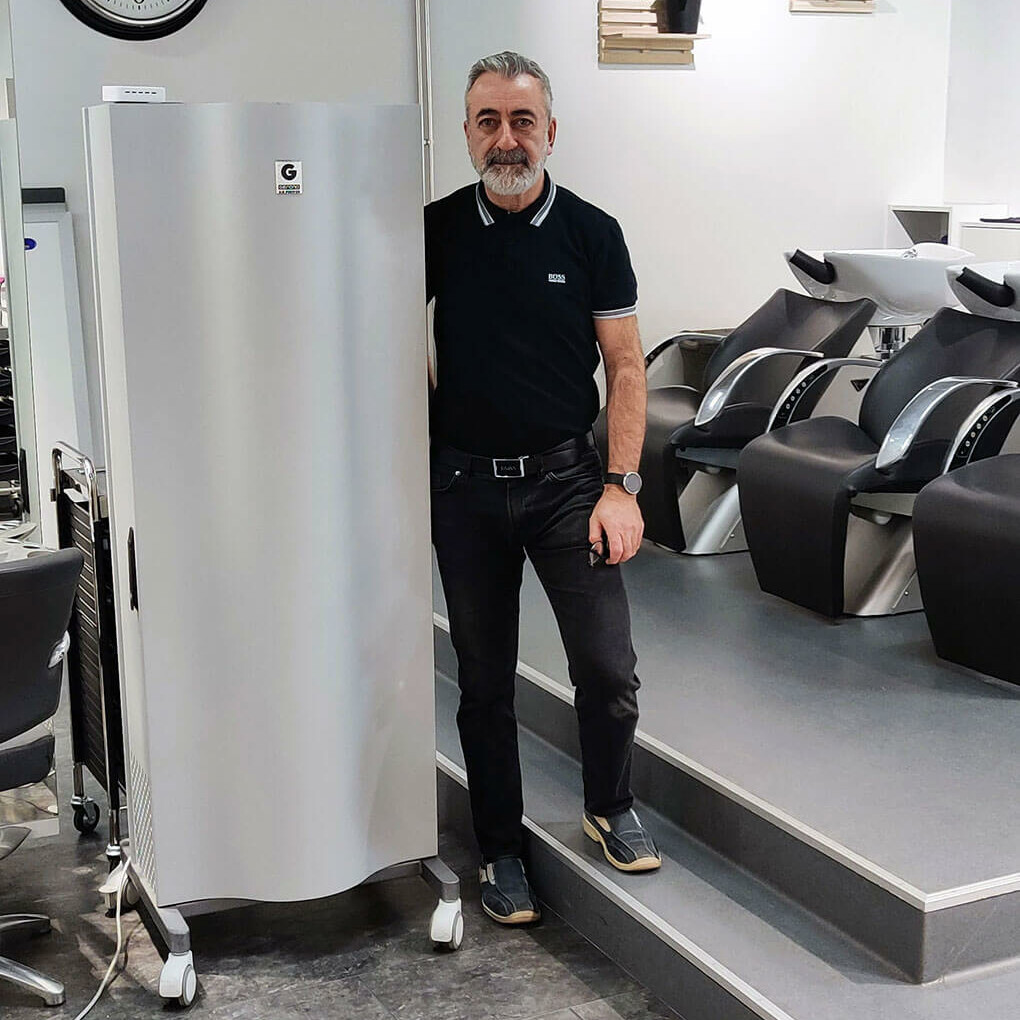
A 75% reduction in chemical and particle levels
“Clean, safe air is part of good customer service, so we wanted to see how effective the Genano units were. After a few weeks on trial, the results were clear enough that we decided to keep the air purifier in our salon.”
– Kami Assadi, owner of Salon WestHair, Iso Omena
Clean indoor air
A service tailored to your needs
Every site and application is different. That’s why we offer several ways to procure Genano solutions and tailor each package to your needs, goals and budget.
We tailor every option to the site. Annual servicing can be included, and the contract term can be adapted to your needs. This gives you a solution that works today and can adapt as your needs change.
Clean indoor air as a service is ideal if you want a straightforward setup without a large upfront investment.
The service can include annual maintenance, or you can arrange servicing separately. We tailor each agreement to how the equipment will be used on site.
Leasing is suitable when you know you’ll need air purification over a longer period and want predictable costs throughout the contract.
A fixed-term lease can include annual servicing, or servicing can be arranged separately. We work with several leasing partners to find the right financing option for your site.
You can buy the air purifiers outright if you need them long term and want the equipment to become part of the building’s own assets.
New air purifiers come with a two-year manufacturer’s warranty. Annual servicing and any other maintenance can be arranged under a separate service agreement.
Rental is a good option when you need air purification for a shorter period or want to assess your needs before making a longer commitment.
The rental agreement can include annual servicing, or servicing can be arranged separately. The contract term and any notice period are agreed for each site.
Genano technology
- Patented nanoscale air purification
Genano’s patented process uses advanced electronic filtration to remove even nanoscale particles from indoor air.
The process eliminates microbes such as viruses, bacteria and mould spores, and also removes harmful VOC gases and odours.
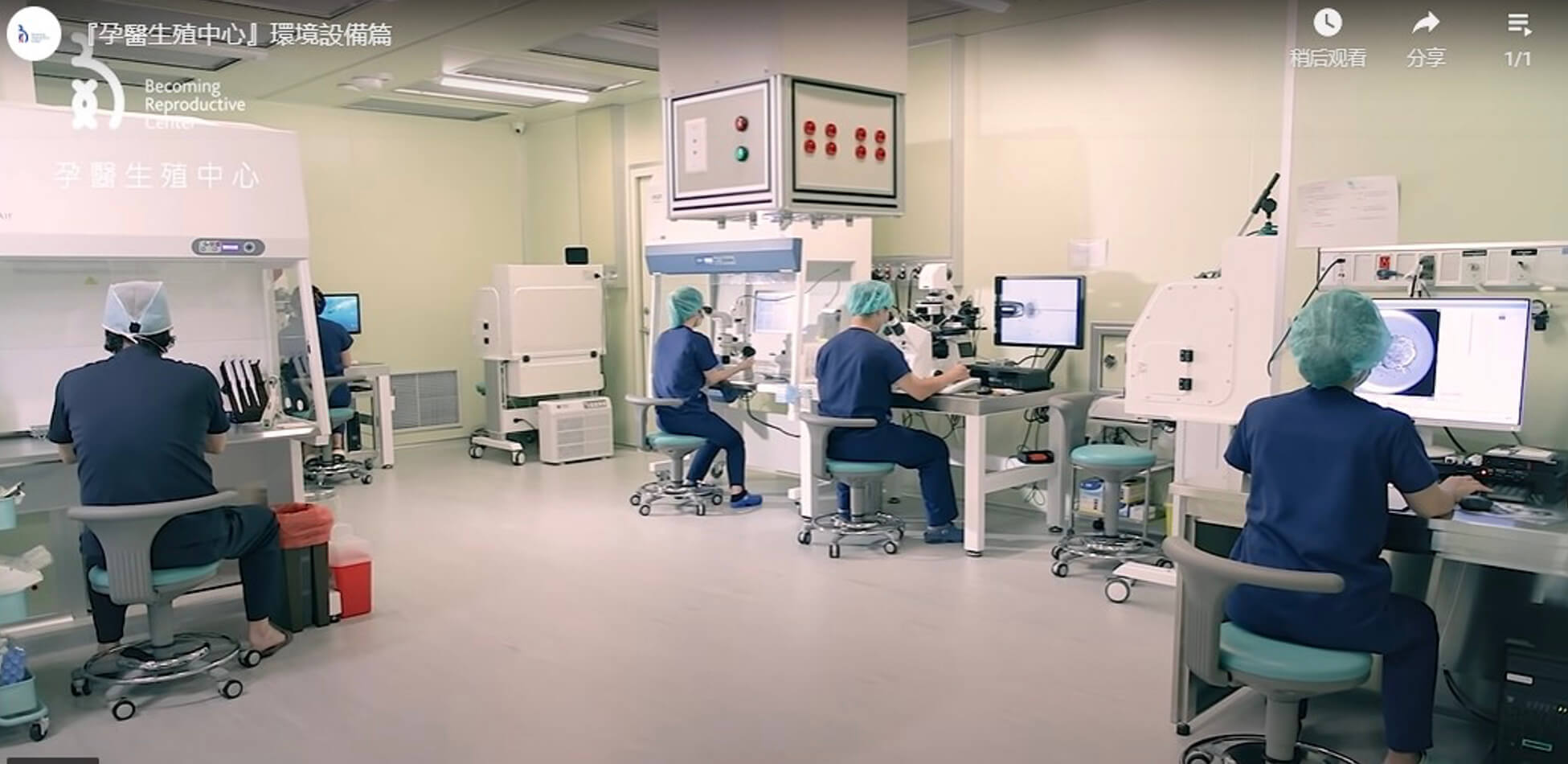
Removing harmful VOC gases in IVF clinics in Taiwan to increase successful implantations
Air purification is of utmost importance when it comes to in vitro fertilization (IVF) success rates. Two IVF clinics in Taiwan recognized this significance and have taken necessary precautions to ensure maximum performance in their pregnancy medicine laboratories. The concentration of TVOC (total volatile organic compounds) is a major concern for any IVF clinic. To combat these issues, the clinics opted for Genano 5250 air decontamination units, which are capable of removing nanoparticles without causing HEPA filter clogging.
- IVF clinics: Becoming Reproductive Center in Taipei City and Changhua Christian Hospital Reproductive Medicine Center
- Speciality: In Vitro Fertilization and International Medical Service
- The pregnancy medicine laboratories have a Class 1,000 cleanrooms classification standard (ISO6), equipped with embryo time-lapse photography incubators, microinjection, laser incubation, and advanced equipment and technologies such as pre-implantation chromosome screening (PGT)
- Dr. Li has more than 20 years of experience in artificial reproduction, which enables a very high embryo formation rate and pregnancy rate
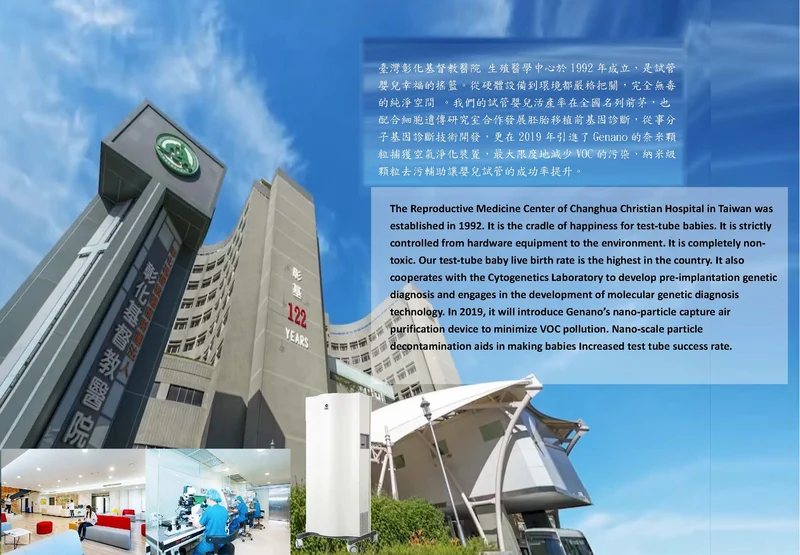
Studies have demonstrated that airborne contaminants can have detrimental effects on embryo development and implantation. Research has shown that exposure to pollutants, such as particulate matter and volatile organic compounds (VOCs), can impair embryo quality and reduce the chances of successful implantation. Airborne allergens, such as pollen, have also been associated with higher rates of implantation failure and pregnancy loss.
By implementing efficient air purification systems, these harmful particles and pollutants can be effectively removed, creating a clean and controlled environment in the IVF laboratory. Purified air reduces the risk of contamination, maintains optimal conditions for embryo growth, and improves the overall success rates of IVF procedures.
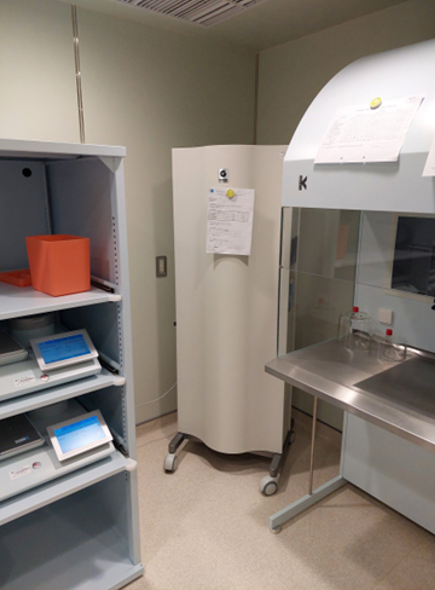
Starting point
The IVF clinics needed air decontamination because in addition to having a clean space, it is necessary to be able to strongly remove the concentration of TVOC (total volatile organic compounds), such as traffic emissions and a variety of reagents used in the in vitro fertilisation processes. The reagents have a great impact on the concentration of TVOC produced in the environment.
The clinics are also situated near main roads and the risk for VOC gases emitted by cars leaking inside the clinic has to be minimized. The clinic's target for air decontamination was to maintain a Class 1,000 cleanroom classification standard and minimize the amount of concentrations of VOC.
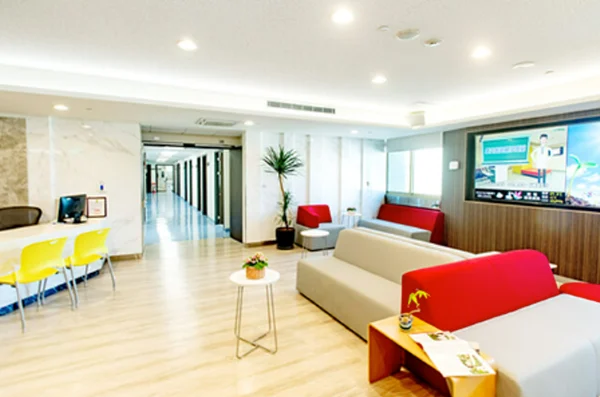
Solution
The clinics chose Genano 5250 air decontamination units, because of their ability to remove nanoparticles without increasing the burden of HEPA filter clogging.
The clinics learned that with Genano it is possible to reduce the frequency of filter replacement in the laboratory and thus save significantly in HEPA filter costs, since Genano doesn't use HEPA filters, but is based on an intelligent technology that eliminates pathogens in a high voltage process and VOC gases are adsorbed with a high functioning active carbon filter.
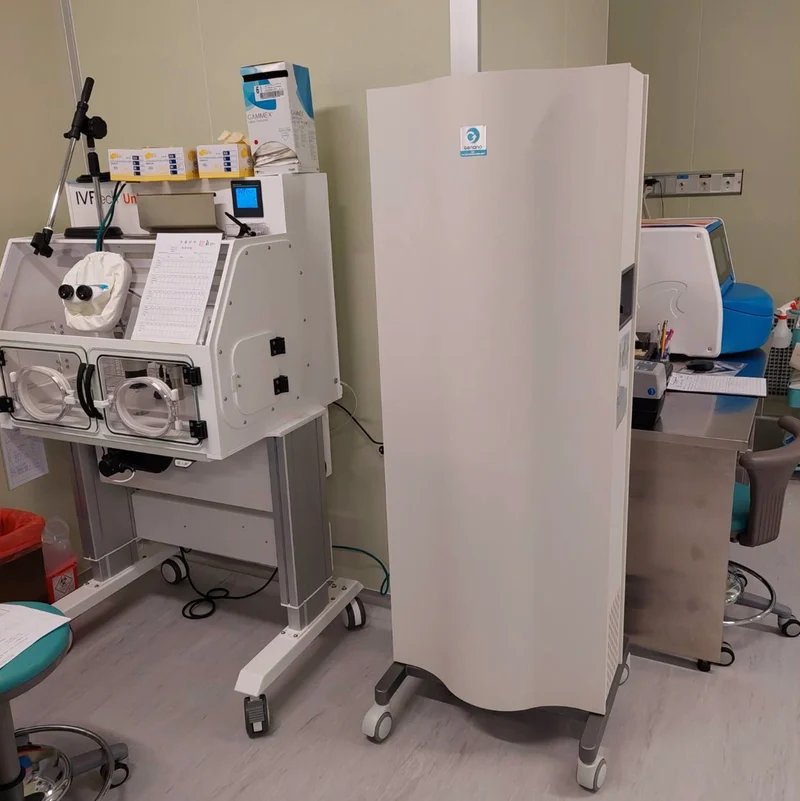
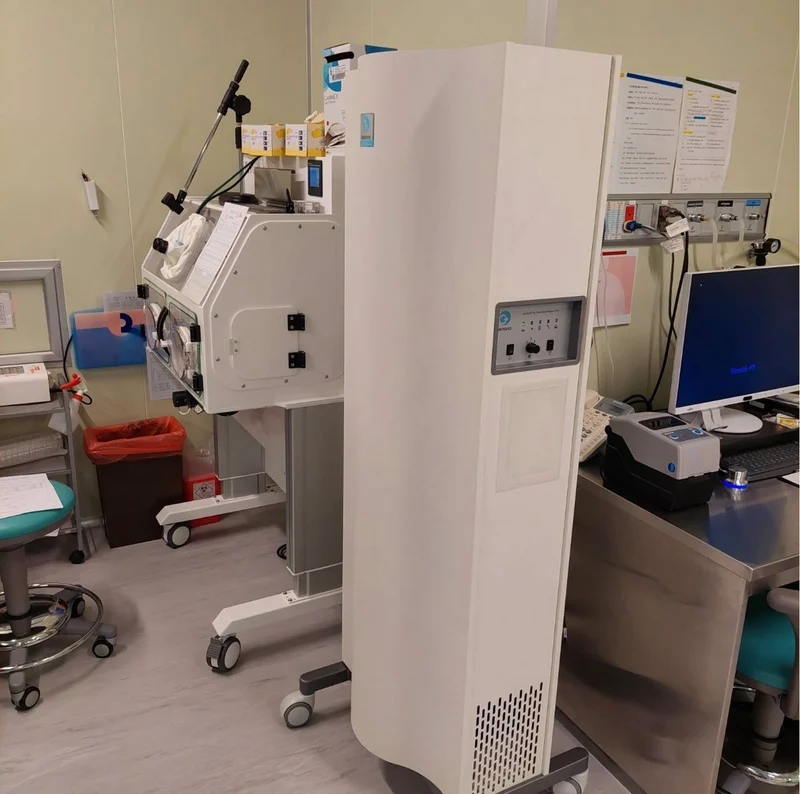
Result
“We’re very pleased with the technology's ability to destroy and collect nanoparticles, as opposed to just filtering them with HEPA. With advanced equipment and technologies like pre-implantation chromosome screening and air decontamination units, our clinic is well-equipped to provide a safe and healthy environment for our patients undergoing IVF treatment”, says Ms. Chang, Chief Embryologist.
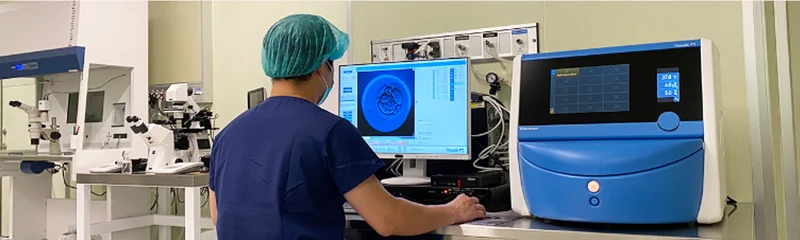

Docrates Cancer Center invests in patient safety with air purification
Docrates Cancer Center:
- Cancer hospital that provides personalized cancer care without delay
- Service: the entire care pathway from diagnosis to treatment and follow-up
- Cancer care for over 15 years
- Staff: 85 permanent employees and 30 contract employees
- Patients come from over 40 countries, but around 80% of patients are Finnish. Two thirds of foreign patients come from Sweden.
- Location: Saukonpaadenranta 2, Helsinki. Finland
As cancer patients are typically immunocompromised, the cancer hospital wants to take advantage of a wide range of infection risk reducing measures. Many infectious pathogens, such as SARS-CoV-2, that can cause extra risks for the treatment, are airborne. Professional air purification is one effective way to minimize airborne infections.
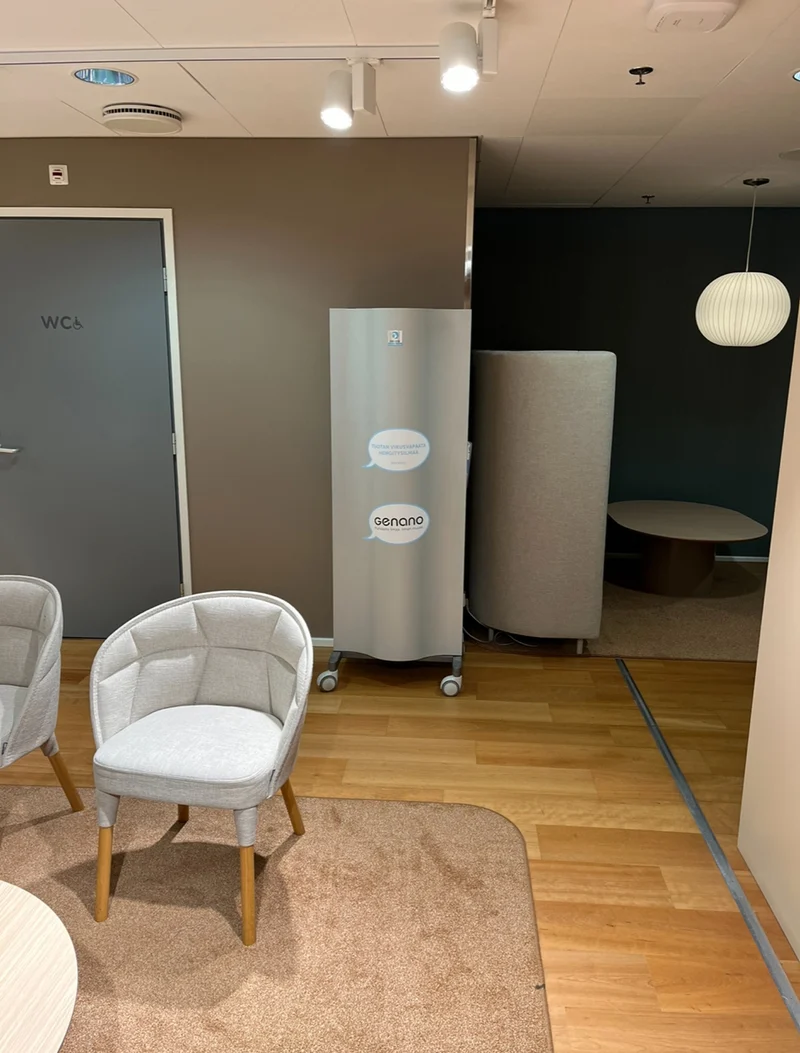
Infections can be prevented with air purification
When relatives and other people visit a cancer hospital, there is always a risk of spreading various airborne diseases. To minimize these infections, the air in the hospital is cleaned of pollutants around the clock.
In autumn 2022, Genano 350 and Genano 420 air decontamination units were installed in the hospital to protect patients, staff and visitors from air impurities such as microbes and allergens. In public areas such as the reception area and waiting rooms, air circulates continuously through a powerful, electronic filtration system that eliminates all microbes, such as viruses and bacteria, with 99.999% efficiency (VTT study 2020).
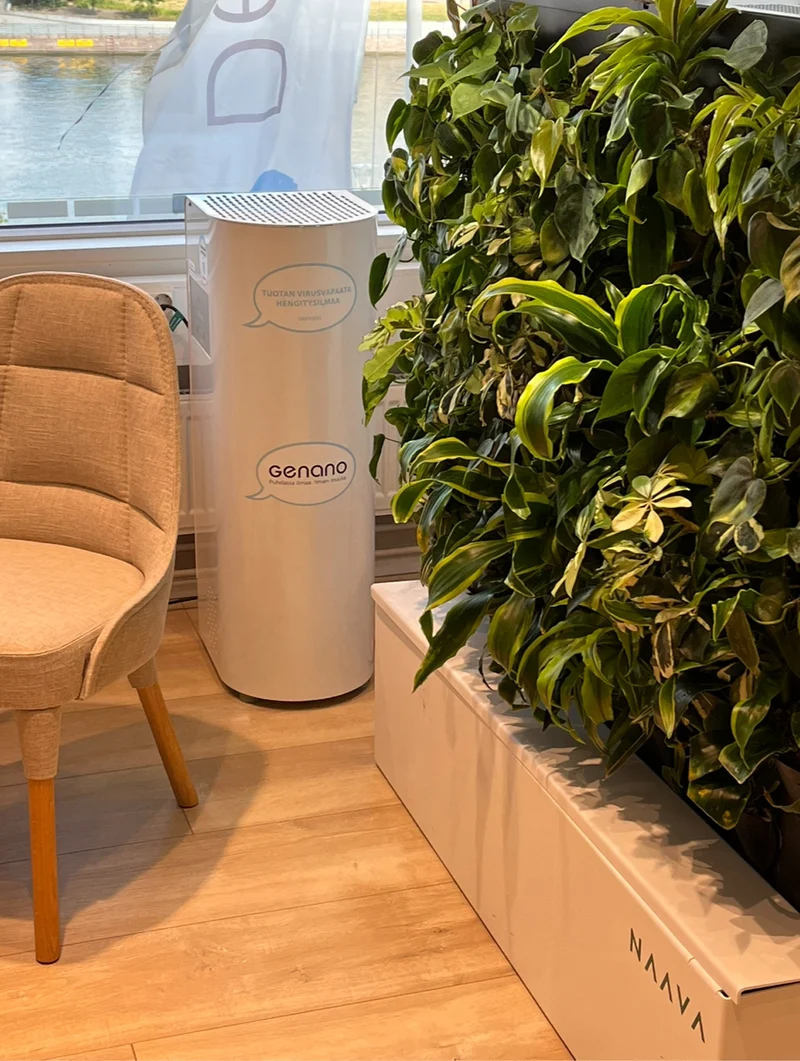
"We are very pleased with our decision to choose Genano air purifiers for the Docrates Cancer Center. Genano complements the high level of air hygiene in our hospital, especially in areas where several people are present at the same time," says Harri Puurunen, Development Director of Docrates Cancer Center.
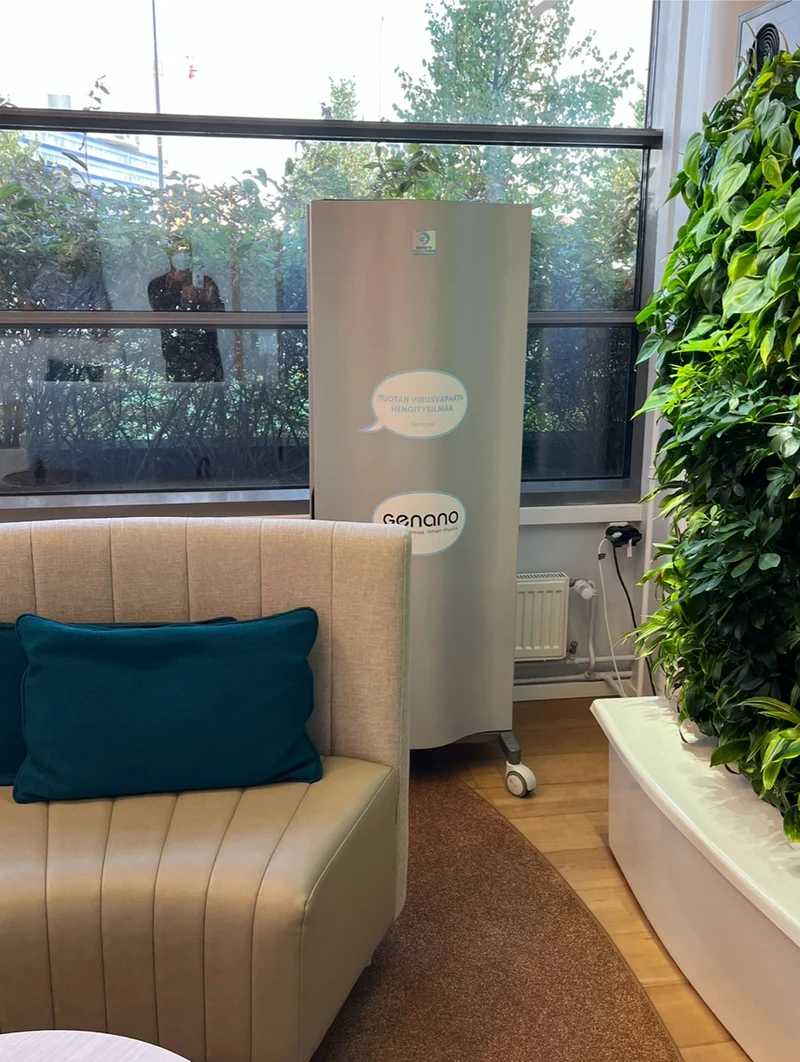
Ultra pure air as part of successful surgery and recovery
Designed to meet the highest hygiene requirements of hospitals, the Genano 5250 air decontamination unit is responsible for the air purification of Docrates Cancer Center's operating theatre in combination with a high-quality, fixed ventilation system.
Healthcare associated infections (HAI) can lead to prolonged treatment periods, increased antibiotic use and extra suffering, which can be effectively minimized by removing contaminants from the operating theatre air with air contamination units that meet medical grade air purification criteria.
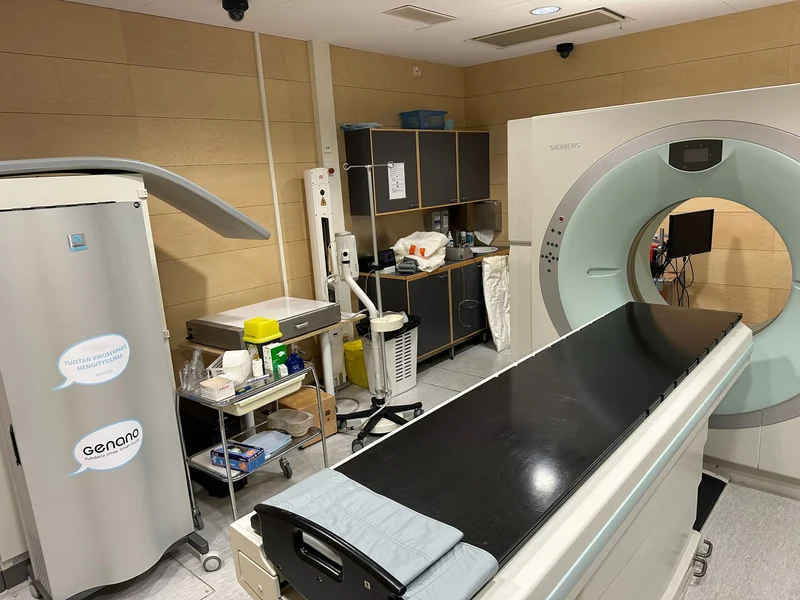
Genano air filtering is a cost-effective way to improve air hygiene in hospital environments, with patented technology that removes not only airborne pathogens but also ultra-fine particles, VOC gases, ozone and odors. Unlike other air purifiers, Genano not only removes pathogens from the air, but also completely eliminates them inside the collection chamber with a powerful high voltage process. Despite this, the process does not consume large amounts of energy and does not generate hazardous waste in the form of contaminated fibre filters.
"We chose Genano as our partner on the basis of an objective VTT* study. The fact that Genano is a Finnish innovation and the units are manufactured in Finland also influenced our decision, as we ourselves are a Finnish owned company. The customer service and everything that has been agreed on, have gone smoothly", concludes Puurunen.
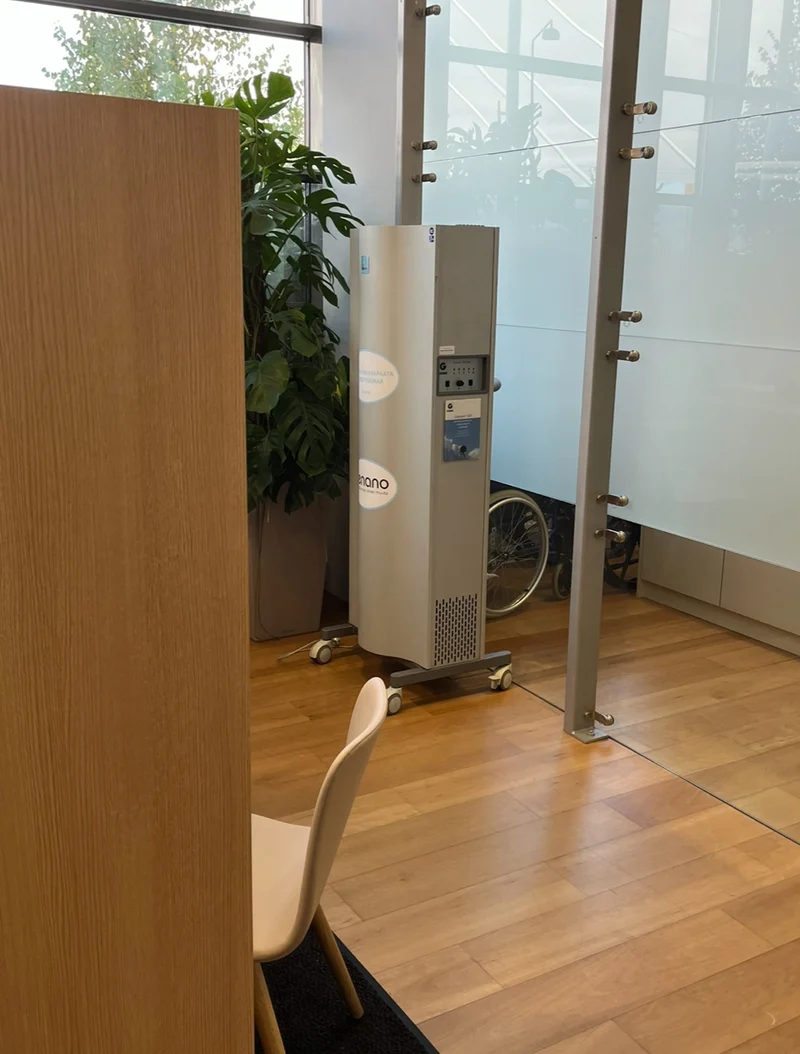
*VTT Technical Research Centre of Finland: Microbiological efficacy of Genano Air Purification Technology, 2020
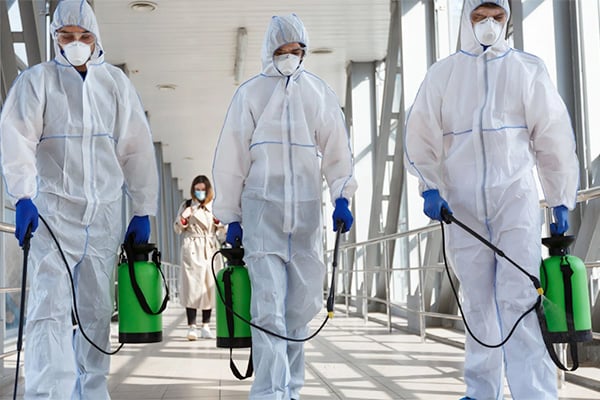
Evidence shows a very low risk of catching COVID-19 from surfaces
Early in the pandemic, reports suggested that the virus could survive on some surfaces for days, making them a potential source of infection. Health agencies around the world encouraged surface disinfection to prevent transmission. Evidence subsequently showed that the risk of infection from surfaces was low.
Surfaces play a minor role in coronavirus transmission
Over the first year of the pandemic, researchers found that coronavirus spreads mainly through the air, in larger droplets and smaller aerosols.1) The US Centers for Disease Control and Prevention (CDC) then confirmed what researchers had been saying for some time: the risk of infection from surfaces is low.
Speaking to The New York Times,1) Virginia Tech airborne virus expert Linsey Marr welcomed the finding. She said researchers had known this for some time, yet people still focused heavily on cleaning surfaces. She noted that there was no evidence of anyone catching COVID-19 by touching a contaminated surface.
Research indicated that the chance of infection from contact with a contaminated surface was less than 1 in 10,000. According to the CDC, other routes posed a greater risk, including droplets, airborne transmission and direct contact such as shaking hands.2)
An article in The Lancet3) also pointed to consistent, strong evidence for airborne transmission of SARS-CoV-2. The authors argued that airborne transmission was the predominant route, while acknowledging that other routes could contribute, and urged public health authorities to act promptly.
Updated guidance: surfaces do not usually need disinfecting
The CDC updated its guidance4) on cleaning surfaces in public spaces to prevent coronavirus transmission. In most situations, surface disinfection was unnecessary and regular handwashing was the most reliable way to reduce the risk from surfaces. The guidance mainly recommended disinfection when a suspected or confirmed case had been in the space within the previous 24 hours.
Experts said that organisations around the world had spent considerable time and money cleaning surfaces, even though other routes posed a much greater risk. They argued that COVID-19 prevention efforts should focus on the air people breathe.5)
Electronic air purification eliminates viruses, bacteria and other microbes from indoor air
Masks, handwashing, physical distancing and good ventilation were considered effective ways to reduce coronavirus transmission. Air purifiers can also help limit airborne transmission.
Testing showed that Genano air purifiers achieved 99.999% purification efficiency for particles the size of coronavirus and smaller viruses. The technology can also remove bacteria and other fine particles that can carry viruses through a room, substantially reducing the amount of virus in the air.
Hospitals around the world chose Genano air purifiers to help reduce transmission during the earlier SARS and MERS outbreaks. Genano can also provide air purification for offices, schools, care homes, gyms and other public spaces.
As public spaces began to reopen, ensuring good indoor air quality became particularly important. Air purifiers can be installed quickly wherever safer indoor air is needed.
Contact our indoor air quality specialists to find out how we can help your organisation improve its air quality.
Sources:
- The New York Times 8.4.2021: Has the Era of Overzealous Cleaning Finally Come to an End?
- CDC: Science Brief: SARS-CoV-2 and Surface (Fomite) Transmission for Indoor Community Environments
- https://www.thelancet.com/journals/lancet/article/PIIS0140-6736(21)00869-2/fulltext
- CDC: Cleaning and Disinfecting Your Facility
- The Washington Post 11.12.2020: We are over-cleaning in response to covid-19
- * VTT 11/2020 Microbiological efficacy of Genano air purification technology